By Soul Trips · Updated on 09 October, 2026
Best Places to Visit in Mongolia: Ulaanbaatar, the Gobi, Altai and Terelj
The best places to visit in Mongolia depend on how much time you have and how far you are comfortable travelling. Ulaanbaatar, Karakorum, Elsen Tasarkhai and Terelj create a balanced first route. The Gobi, Khovsgol and Altai each deserve a longer extension.
Choose destinations that reveal different landscapes and cultures without repeating long transfers. The SoulTrips Mongolia destination page provides two practical journeys that show how central and western regions can be combined.
Places to visit in Mongolia at a glance
Choose one main region outside Ulaanbaatar, then add a central stop when the route flows naturally.
- Ulaanbaatar: museums, monasteries, food and contemporary life.
- Terelj: accessible valleys, granite formations and ger camps.
- Karakorum and Orkhon Valley: imperial history, Buddhism and cultural landscape.
- Elsen Tasarkhai: dunes, steppe and camel experiences within a central route.
- Gobi: desert cliffs, dunes, wildlife and long open roads.
- Khovsgol: lake, forest, horse culture and cooler northern weather.
- Bayan Ulgii and Altai: Kazakh culture, eagle traditions and mountains.
- Khustain: takhi horses and protected steppe.
Read the SoulTrips Mongolia destination guide before comparing transport and seasons for each region.
Ulaanbaatar
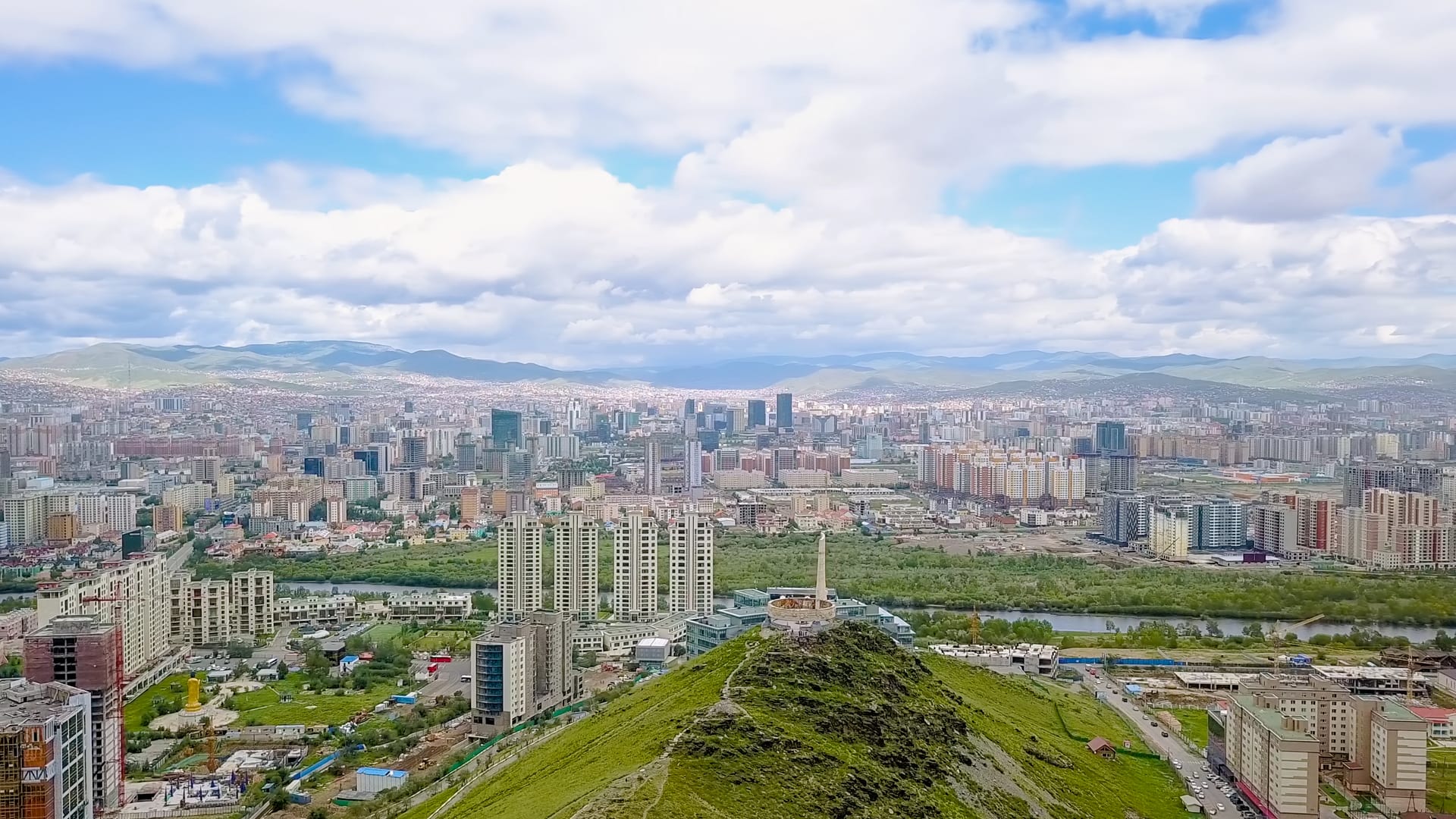
Ulaanbaatar is more than an airport stop. Give the capital at least one full day at the beginning and another night before departure. Gandan Monastery introduces living Buddhist practice, while the National Museum and Chinggis Khaan National Museum add historical context for the countryside.
The city also shows contemporary Mongolia through galleries, cafés, cashmere design and performance. Traffic can be slow, so group sights by area and avoid placing a fixed museum entry immediately after the airport transfer.
Zaisan Hill gives you a broad city view but includes steps. Travellers with mobility concerns can choose an alternative viewpoint or focus on accessible museums and cultural venues.
Gorkhi Terelj National Park
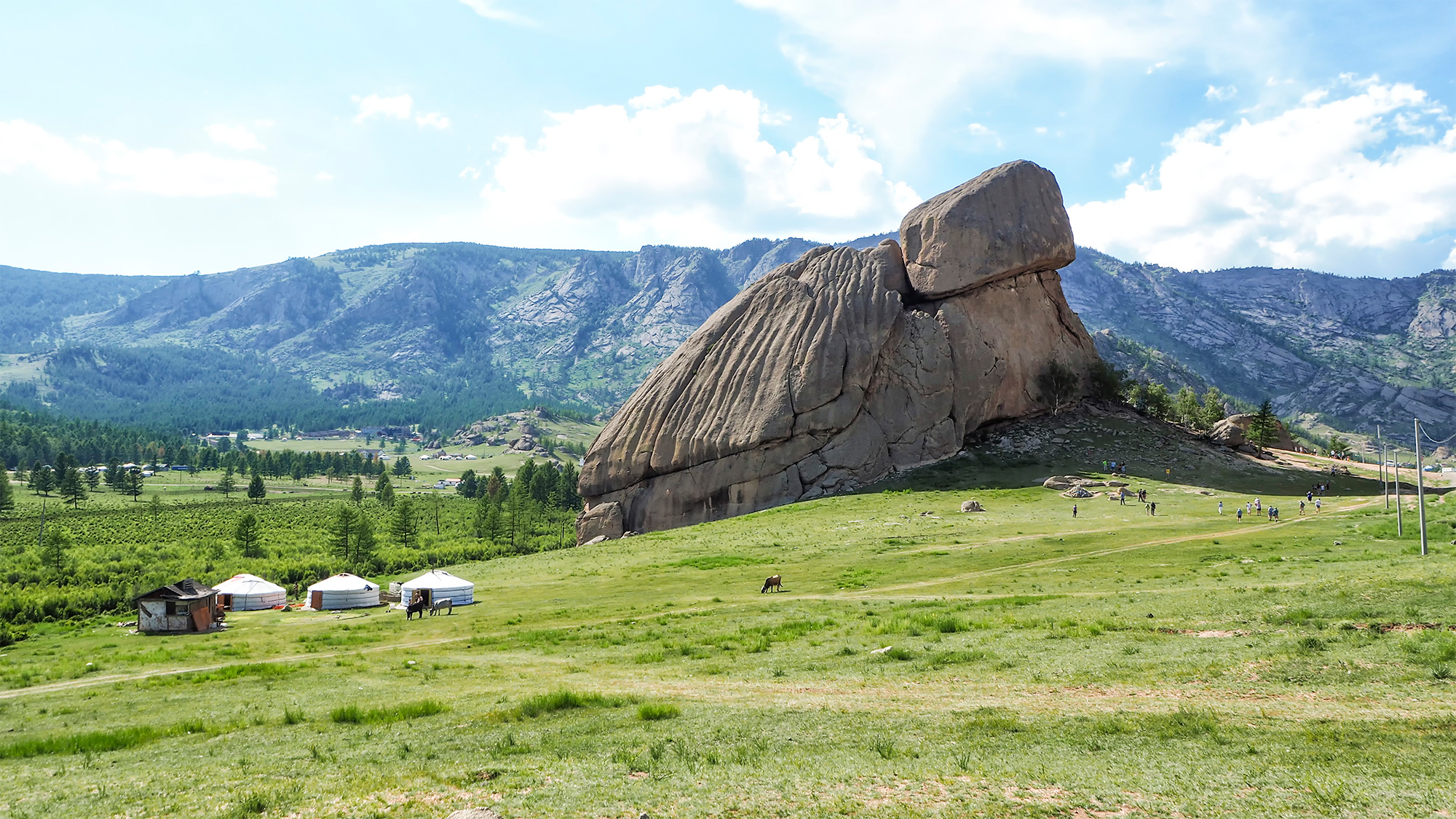
Terelj is one of the easiest countryside additions from Ulaanbaatar. Granite formations, forested slopes and open valleys support gentle walks, horse riding and ger stays. Turtle Rock and Ariyabal Meditation Temple are popular, but the experience improves when you stay overnight and explore beyond the busiest stops.
Tourist camps range from simple shared facilities to more comfortable private bathroom options. Ask about heating, electricity and walking distance between the ger, restaurant and bathroom.
The SoulTrips culture and wilderness tour gives Terelj two days, which creates time for both landscape and a nomadic family visit.
Karakorum and the Orkhon Valley
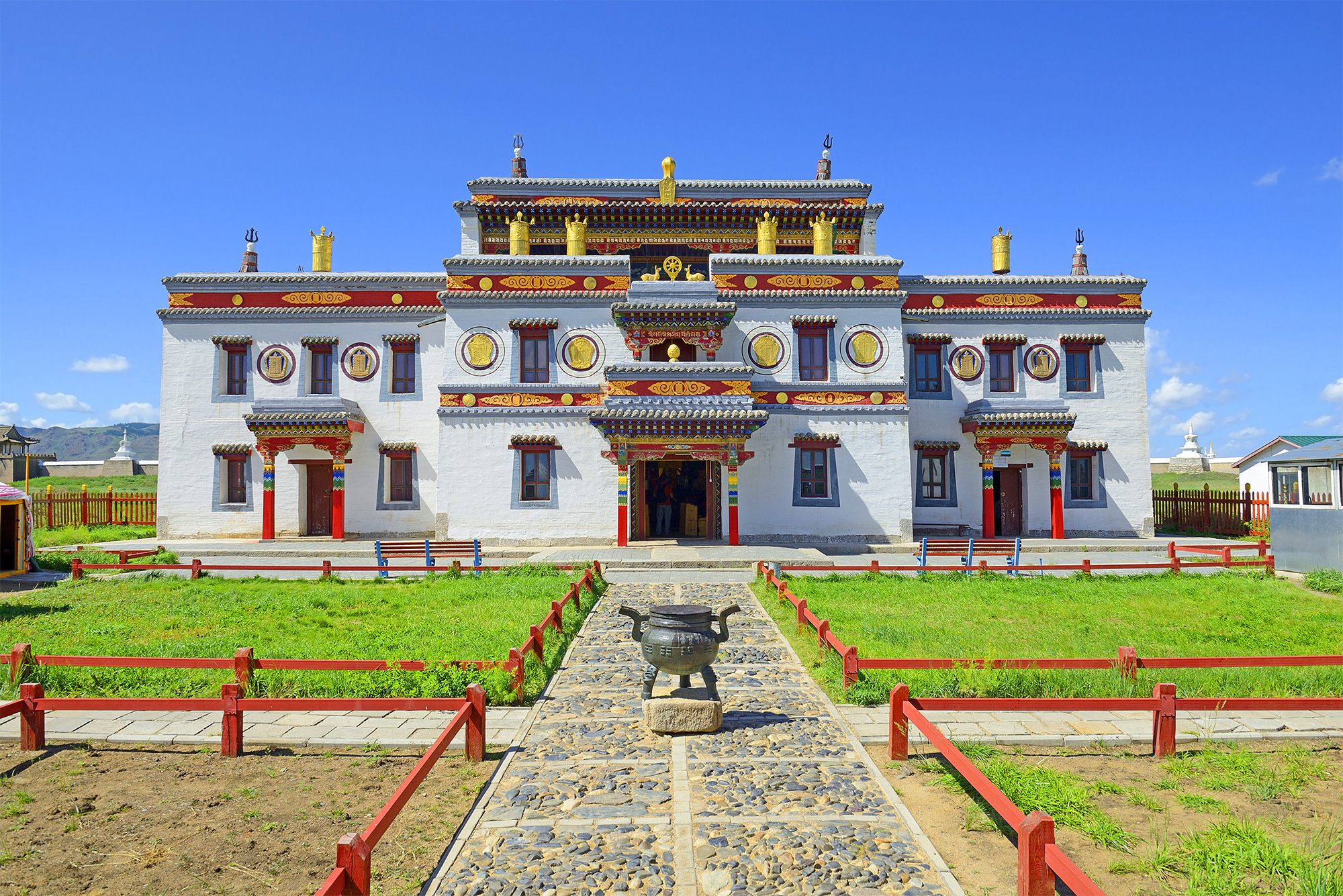
Karakorum was the imperial capital of the Mongol Empire. Today, Erdene Zuu Monastery, the Karakorum Museum and the wider valley help you understand how mobile pastoral life, trade, religion and political power met in one landscape.
The UNESCO Orkhon Valley Cultural Landscape covers a vast grassland region rather than one enclosed attraction. Travel with a guide who can connect archaeological sites, monasteries and living herding culture.
Allow at least two nights in the central region. A rushed return drive from Ulaanbaatar loses the evening light and makes the historical visit feel detached from the landscape.
Elsen Tasarkhai
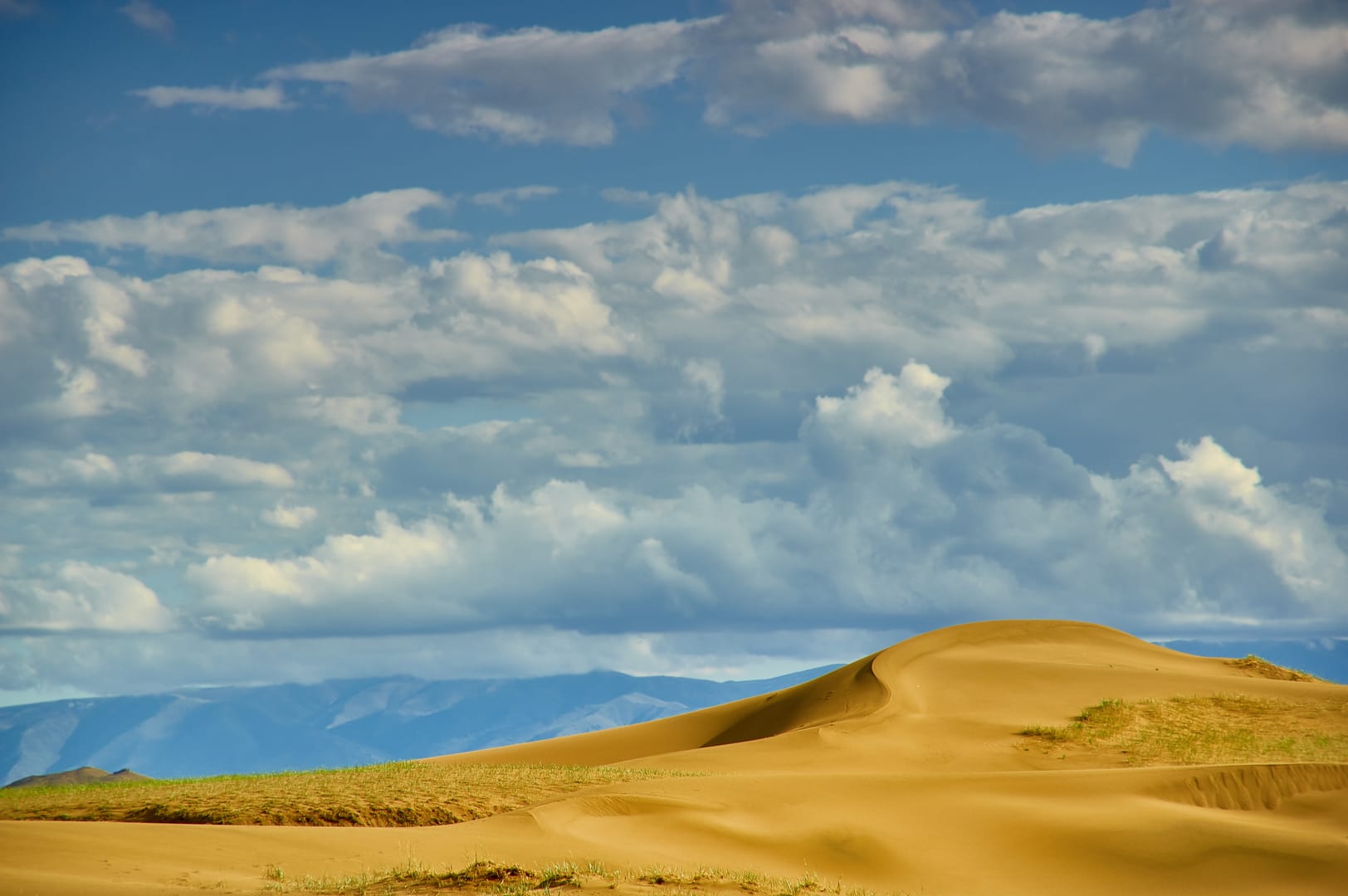
Elsen Tasarkhai is a ribbon of sand dunes within central Mongolia, often called the Mini Gobi. It combines dunes, grassland and nearby herding communities without the long distance of a full southern Gobi circuit.
Camel rides, sunset walks and ger camp nights are the usual experiences. Choose a responsible operator that limits animal work, provides clear rider instructions and treats the camel experience as part of local culture rather than a quick prop.
This destination pairs naturally with Karakorum and can form the heart of an eight day first trip.
The Gobi Desert
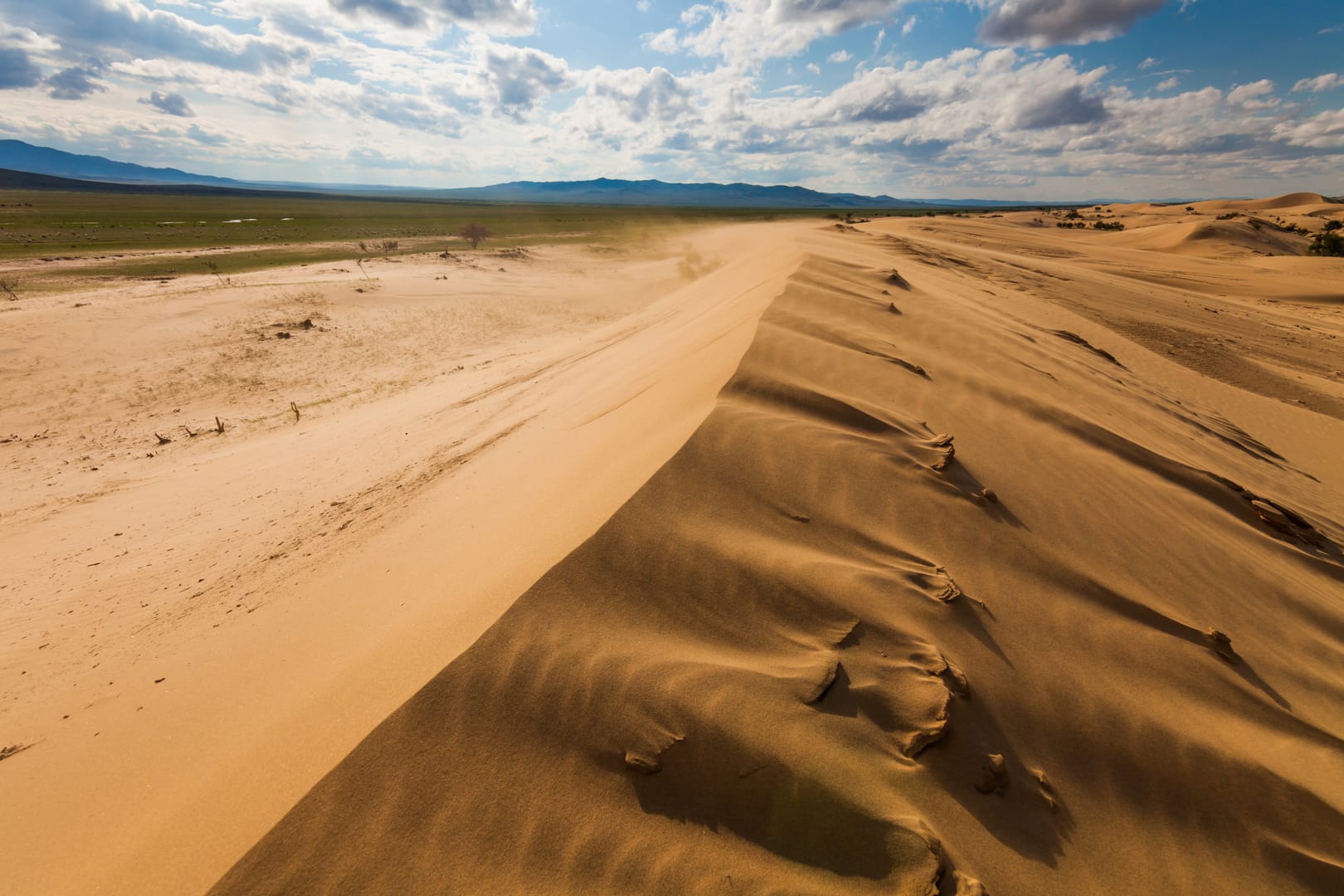
The Gobi is a large region, not one field of continuous sand. Routes can include Yolyn Am, the Flaming Cliffs, Khongoryn Els and working camel communities. Landscapes shift between rocky plains, valleys, cliffs and major dunes.
Allow at least four or five nights after reaching the south. Daily drives remain substantial and accommodation is spread out. A domestic flight to Dalanzadgad can reduce road time, but schedules need a buffer.
Late May, June, September and early October often provide a comfortable balance. July can be hot, while every season has cold nights.
Lake Khovsgol
Lake Khovsgol offers clear water, forest, mountain views and a cooler northern climate. Summer supports walking, horse riding, boating and camp stays, while winter ice journeys require specialist arrangements.
Fly to Murun when the schedule supports the route, then continue by road. The drive from Ulaanbaatar is too long for a short trip. Stay at least three nights near the lake so travel time does not overwhelm the experience.
Waterfront camps vary in comfort and environmental practice. Choose one with responsible waste systems and avoid soaps or litter near the lake.
Bayan Ulgii and the Altai
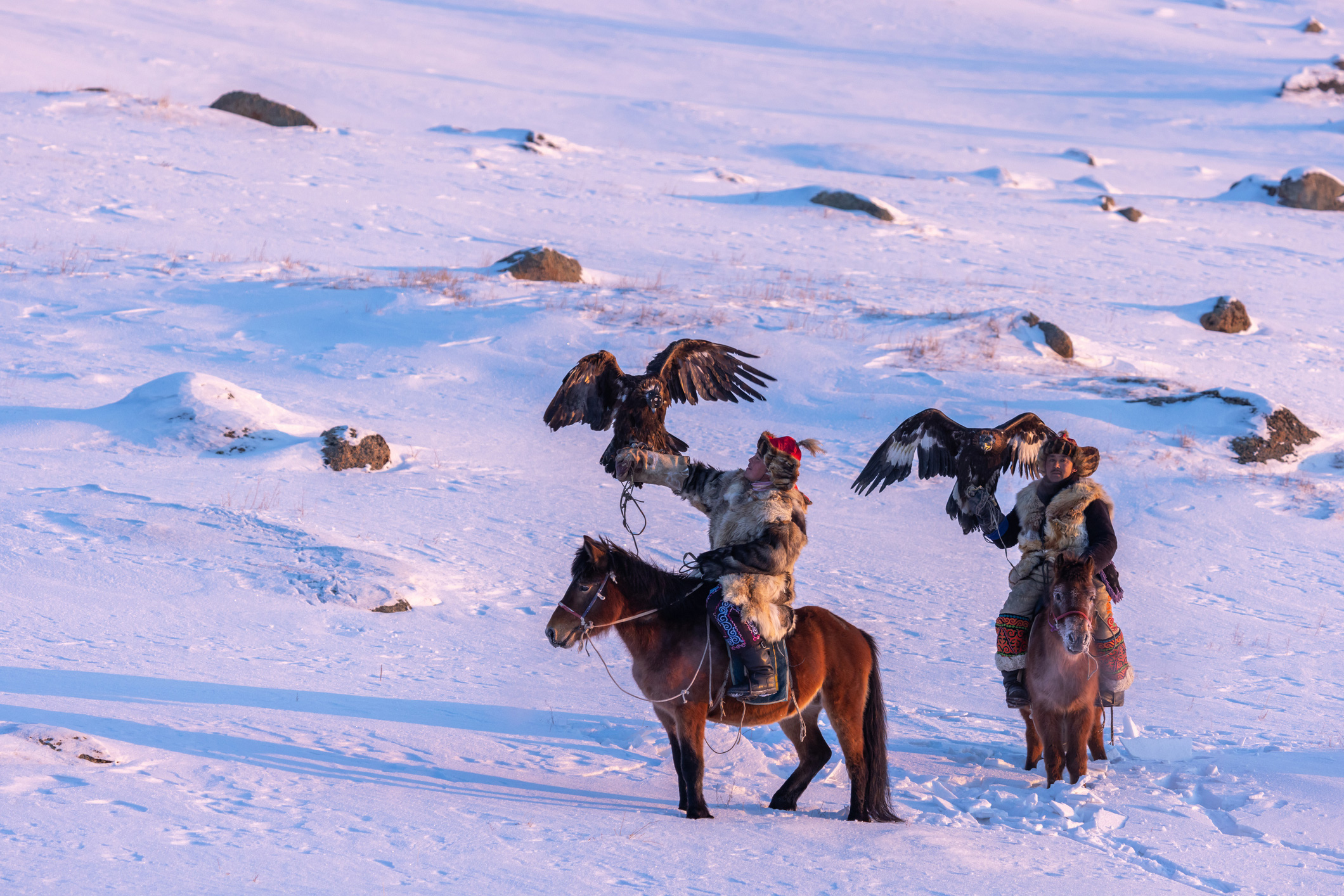
Western Mongolia feels culturally and geographically distinct. Bayan Ulgii has a strong Kazakh identity, and many families speak Kazakh as their first language. The region is known for eagle hunting traditions, embroidery, music and mountain pastoral life.
Ulgii is reached most practically by domestic flight from Ulaanbaatar. From town, journeys continue by rough road towards family communities, festival grounds and Altai landscapes. Accommodation is simpler than in the capital.
The SoulTrips Golden Eagle Festival tour connects the west with central Mongolia and Terelj. It works because the domestic flight protects time for cultural depth.
Khustain Nuruu National Park
Khustain protects steppe landscapes and the reintroduced takhi, also known as Przewalski's horse. Wildlife viewing is strongest with a knowledgeable park guide and patient timing rather than a quick roadside stop.
Stay overnight when possible. Early and late hours improve both wildlife chances and light. Keep distance, remain on permitted tracks and never pressure a driver to approach animals more closely.
Khustain pairs well with Elsen Tasarkhai or a central route and can add wildlife without a separate domestic flight.
Eastern Mongolia
Eastern Mongolia receives fewer visitors and suits returning travellers interested in steppe history, birdlife and remote landscapes. Routes can include Khentii and sites associated with Chinggis Khaan, or continue towards vast grasslands farther east.
Infrastructure is limited and distances are substantial. Choose an experienced regional team, carry contingency supplies and allow more days than the map suggests.
How many places should you combine
Eight days supports Ulaanbaatar, central Mongolia and Terelj. Ten days can add a deeper Gobi journey or a focused western festival programme. Fourteen days can combine one outer region with a central circuit at a comfortable pace.
Count travel days and hotel changes rather than place names. Three or four bases in ten days feels more rewarding than six one night stops. Domestic flights should reduce distance, not create a fragile chain of connections.
Match destinations to your interests
Choose Karakorum for history and Buddhism, Terelj for an accessible nature stay, the Gobi for desert landscapes, Khovsgol for water and forest, and Bayan Ulgii for Kazakh culture and the Altai.
Photographers should prioritise light and time in one landscape. Families benefit from central routes and shorter drives. Active travellers can add trekking or riding, but the itinerary still needs rest and weather buffers.
Choose the right order for your route
Start in Ulaanbaatar unless a domestic flight schedule makes an immediate regional connection genuinely safer. A first city night gives you time to recover, meet the guide and confirm that luggage has arrived before travelling into areas with few shops. Finish in the capital as well, ideally with a complete night before the international flight.
For a central loop, travel from Ulaanbaatar towards Elsen Tasarkhai and Karakorum, then return through steppe camps before finishing in Terelj. This order creates a gradual change of landscape and avoids using the same road for every sector. It also places Terelj close to the capital near the end, which protects the final schedule.
The Gobi works best as its own road circuit or with a domestic flight at one end. Khovsgol needs a flight to Murun or a substantial road commitment. Bayan Ulgii and the Altai require a return domestic flight and local vehicle. Do not connect two remote flights on the same day.
When several places appeal equally, choose the region with the best seasonal access and the experience you cannot find elsewhere. You can always return for a second route. Mongolia rewards repetition because the Gobi, Khovsgol, central steppe and western mountains feel like completely different journeys.
How a Mongolia travel specialist plans the best places
Select one destination for culture, one for landscape and one for slower local connection, then check that the route joins them efficiently. Mongolia looks simple on a map, but scale, road conditions, limited flights and changing weather decide what is comfortable. Start with the one experience that matters most, then build the route around it.
Keep city nights, countryside nights and travel days visually separate when reviewing the itinerary. A short distance can take longer than expected once the paved road ends. Two or three nights in an important region usually create a better experience than a sequence of single night stops.
Reserve the least flexible element first. This could be a domestic flight to Ulgii, a ger camp with limited rooms, the Golden Eagle Festival, a Naadam programme or a family visit arranged through a trusted local partner. The SoulTrips guide to booking ahead gives you a useful planning timeline.
Common planning mistakes
- Choosing every famous region without understanding the distance between them.
- Using Terelj as a rushed afternoon stop instead of an overnight countryside experience.
- Adding Khovsgol or the Altai to a short central itinerary.
- Treating family visits and wildlife encounters as guaranteed photo sessions.
These mistakes are easy to prevent with a focused route, realistic driving times and one weather buffer. Use at least two nights in key countryside bases and treat a domestic flight as a full travel day once transfers and possible delays are included.
Make the final plan work on the ground
Review the best places one last time with the local team before paying the final balance. Confirm the real driving hours, meal arrangements, bathroom standard, heating, luggage limits and the point where mobile coverage becomes unreliable. Ask which day is most exposed to weather and what the practical alternative will be.
Keep one flexible half day in Ulaanbaatar and one complete night before the international departure. This margin gives the guide room to respond to a delayed domestic flight, a difficult road or a camp change without removing the experience that matters most.
Share medical needs, dietary requirements and mobility concerns clearly. A specialist can adjust the vehicle, room location, walking route and meal plan only when the details are known in advance. Carry the confirmed programme offline, but expect the guide to refine each day using current local conditions. That balance of preparation and flexibility is the key to travelling comfortably across Mongolia.
Practical advice for different travellers
First time visitors
Combine Ulaanbaatar with Karakorum, Elsen Tasarkhai and Terelj for a clear first introduction. The SoulTrips Mongolia culture and wilderness journey is a useful model because it balances Ulaanbaatar, central history, sand dunes, nomadic encounters and Terelj without trying to cross the whole country.
Solo travellers
Use an experienced local guide and driver outside Ulaanbaatar. Remote roads, limited mobile coverage and great distances make improvised solo transport difficult. Share the route with someone at home and keep the guide's local contact details offline.
Families
Choose central Mongolia for manageable driving and add the Gobi only when children are comfortable with long vehicle days. Build in regular toilet stops, warm layers, familiar snacks and quiet time at camp. Horse and camel activities need properly fitted equipment, clear supervision and a pace suited to the least confident rider.
Older travellers and travellers with mobility concerns
Use private transport, request accessible city hotels and select camps with private bathrooms close to the sleeping ger. Ger thresholds, uneven ground, basic bathrooms and long vehicle days can be demanding. Ask for photographs and exact walking descriptions, then request private facilities, a western toilet and the ger closest to the main building where possible.
Responsible travel and safety
Stay longer in fewer communities, pay fairly for cultural experiences and follow protected area rules around wildlife and water. Mongolia's open landscape can look empty, but it supports families, livestock, wildlife and fragile water sources. Stay on established tracks when instructed, carry rubbish out and never photograph people at close range without permission.
Weather can change quickly. Carry warm layers, drinking water, sun protection and a basic personal medicine kit even on a summer day. Follow your guide during storms, strong wind, wildfire conditions or flooding, and do not separate from the vehicle in remote country.
Travel insurance should cover medical treatment, evacuation, domestic flight disruption and the activities in your itinerary. Mobile coverage becomes limited beyond settlements, so a good operator carries communication and contingency plans that match the route.
Review the SoulTrips Mongolia destination guide for related planning articles and browse SoulTrips travel tips before departure.
Frequently asked questions
-
What are the best places to visit in Mongolia for a first trip?
Ulaanbaatar, Karakorum, Elsen Tasarkhai and Terelj create a balanced first route. Add one farther region only when you have enough days.
-
Is the Gobi Desert worth visiting?
Yes, if you can give it at least four or five nights. Its cliffs, valleys, dunes and camel communities reveal much more than a quick sand stop.
-
How many days do you need in Terelj?
Two nights provide time for walks, a ger camp, horse riding and a family visit. A short day trip reaches the main landmarks but misses the evening atmosphere.
-
Is Karakorum still an ancient city?
Very little of the imperial capital remains above ground. The museum, Erdene Zuu Monastery and wider Orkhon Valley explain its historical importance.
-
How do you reach western Mongolia?
Fly from Ulaanbaatar to Ulgii, then continue by private vehicle. Festival periods require early flight and accommodation booking.
-
Is Lake Khovsgol suitable for families?
Yes during summer, especially for families who enjoy nature and can manage the road transfer from Murun. Choose a comfortable camp and allow at least three nights.
-
Where can you see wild horses in Mongolia?
Khustain Nuruu National Park protects takhi horses. Visit with a park guide and allow patient viewing time at a respectful distance.
-
Can you combine the Gobi and Khovsgol in one trip?
You can with about two weeks and carefully timed flights, but the route still includes long travel. Many visitors have a deeper trip by choosing one.
-
Which region is best for photography?
The Gobi, Altai, Khovsgol and central steppe all work. Choose the landscape that interests you most and stay long enough to photograph changing light.
-
Can SoulTrips design a regional Mongolia route?
Yes. Use SoulTrips trip planning to combine suitable regions, transport and accommodation around your available days.
Choose places to visit in Mongolia with purpose
The best places to visit in Mongolia are the ones that form one coherent journey. Start with a central route, then give the Gobi, Khovsgol or Altai enough time to feel distinct. Browse SoulTrips Mongolia tours or contact the team to plan a route with depth and realistic travel days.