By Soul Trips · Updated on 09 October, 2026
Best Time to Visit Mongolia: Seasons, Weather and What to Expect
The best time to visit Mongolia is from June to September for most first trips. Roads are more accessible, tourist camps are open and daytime conditions support outdoor exploration. July brings Naadam and the busiest travel period, while late August and September combine fewer visitors with beautiful light.
Mongolia's climate is dry and highly continental. Temperatures can change sharply between day and night, and regions behave differently. Use the SoulTrips Mongolia destination guide to match the season with the route rather than choosing a month in isolation.
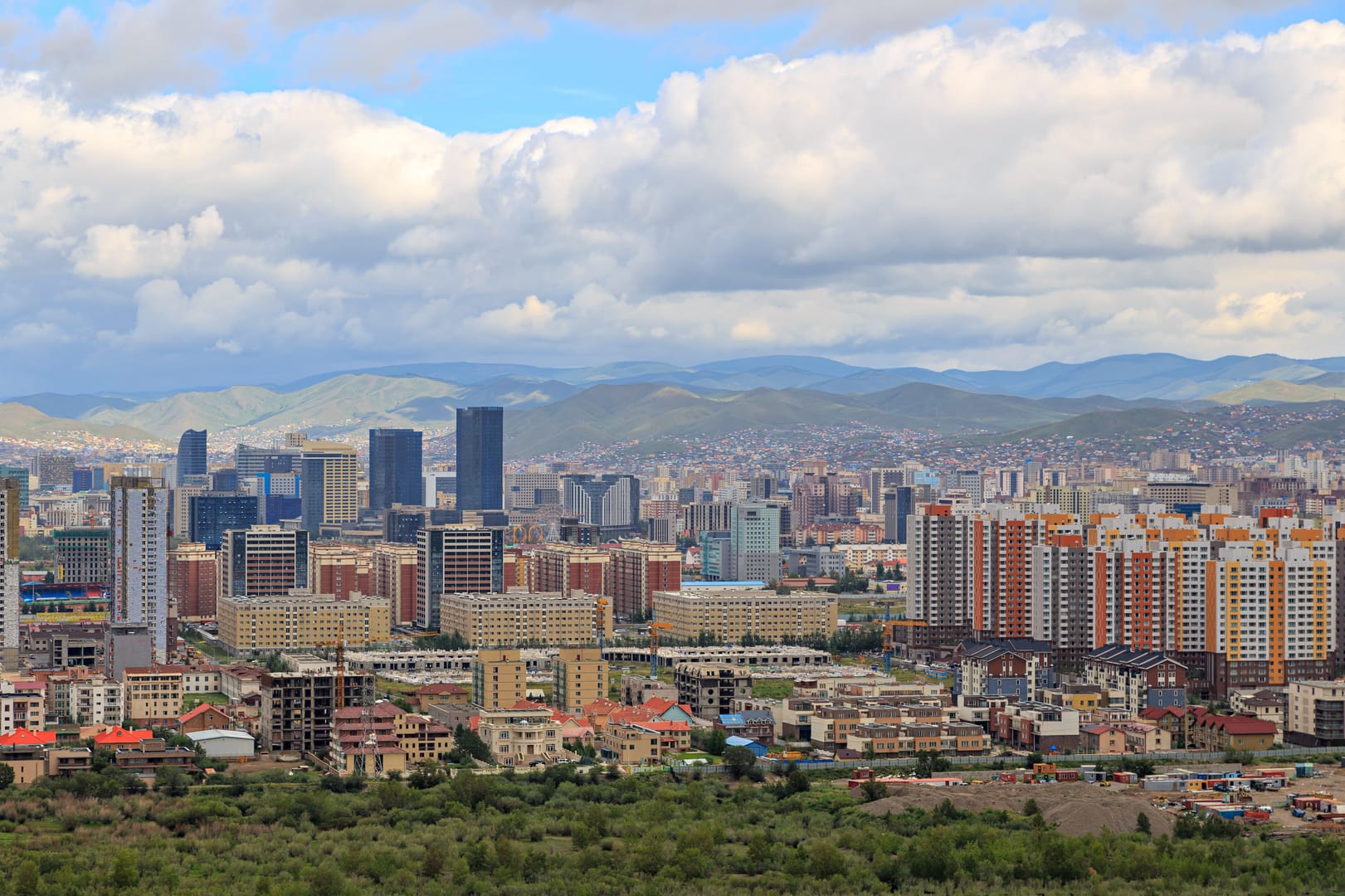
Best time to visit Mongolia at a glance
June to September is the broad travel season, but each month has a different character.
- June: green landscapes, long daylight and a quieter start to summer.
- July: warm weather, Naadam events and the strongest demand.
- August: established camp operations, pleasant travel and late summer storms.
- September: autumn colour, clear light and eagle festival travel in the west.
- October: colder nights, fewer open camps and possible snow.
- November to February: severe cold and specialist winter journeys.
- March to May: wind, dust, thawing roads and an unpredictable transition.
The national Mongolia tourism information is useful for current festival and seasonal planning.
Summer in Mongolia from June to August
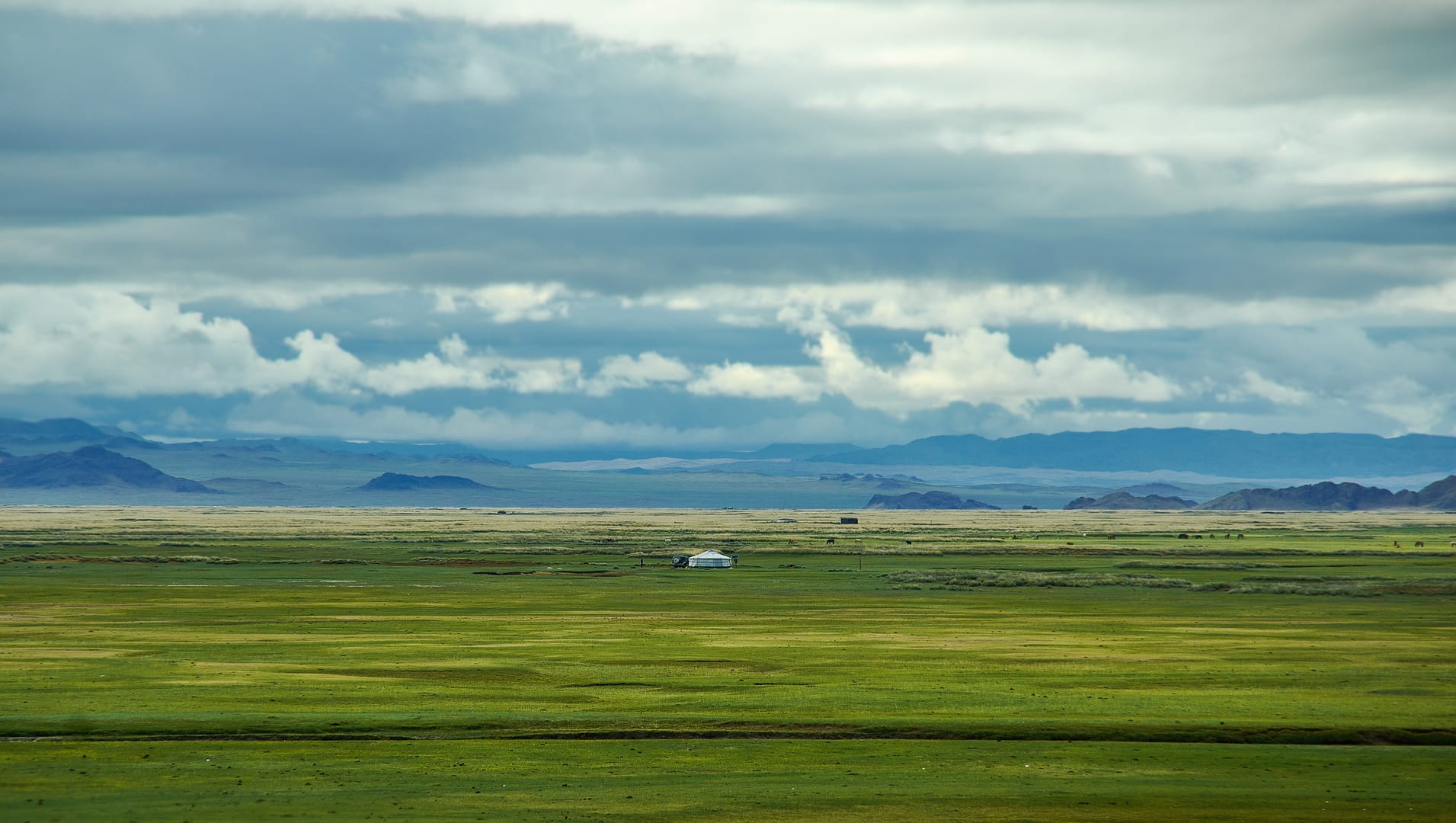
Summer is the easiest season for a broad countryside route. Steppe pastures turn green, families move with livestock and most tourist camps operate. Daylight is long, giving you flexibility around drives, walks and cultural visits.
June feels fresher and quieter than July. Nights can still be cold, especially in the mountains and northern Mongolia. Rain and brief storms become more common as summer develops, but long periods of continuous rain are less usual than short intense showers.
July is the warmest and busiest month. National Naadam celebrations focus on wrestling, horse racing and archery. Ulaanbaatar becomes lively, accommodation fills and domestic transport needs early booking. The Gobi can be hot in the middle of the day, so walks work best in the morning or late afternoon.
August remains a strong choice. Camps and roads are fully operational, visitor pressure eases after the main festival period and northern regions stay green. Nights begin to cool later in the month. The SoulTrips culture and wilderness tour runs through the warmer season and shows how a central route can balance culture with outdoor time.
Autumn in Mongolia from September to November
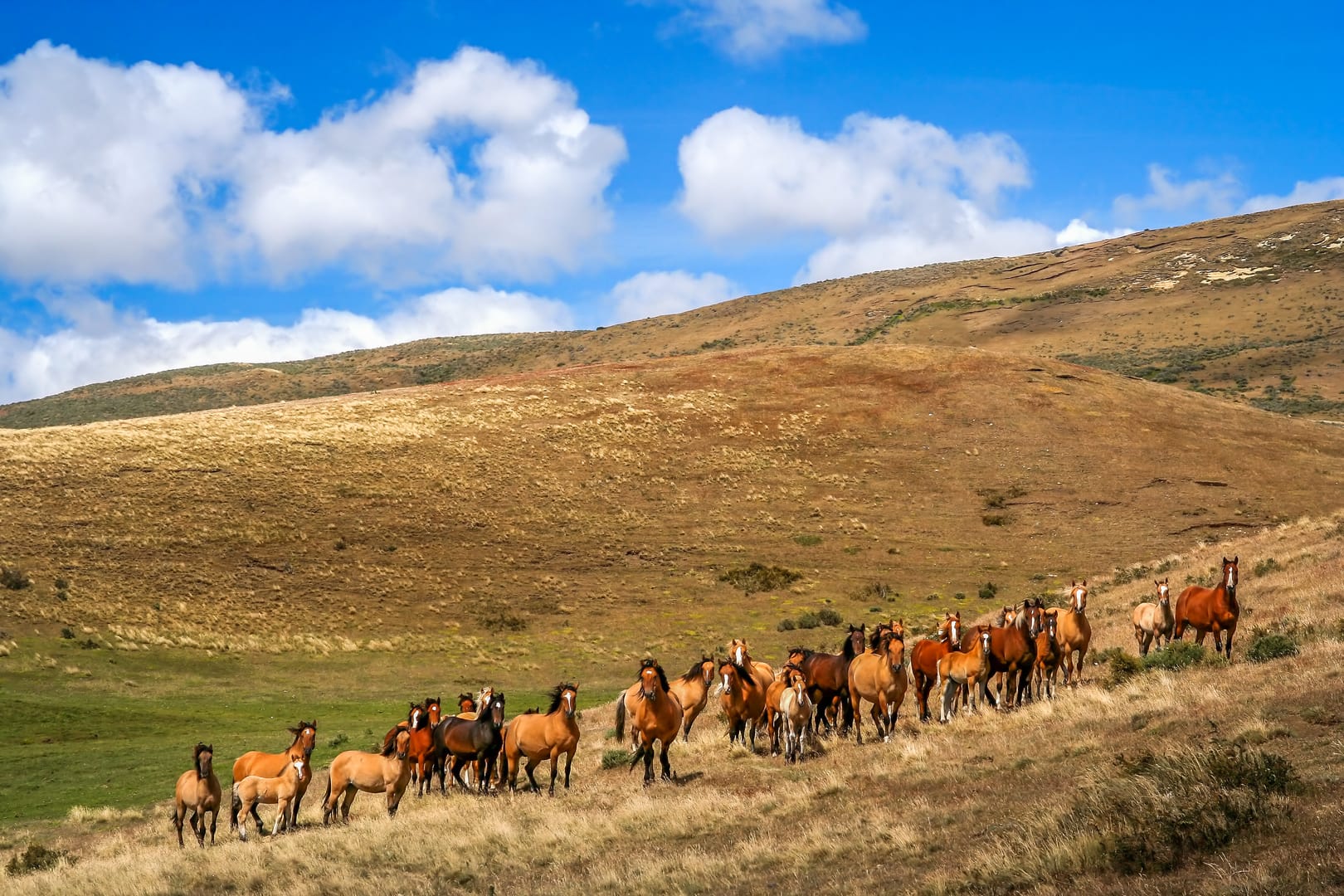
September is one of the best months for photography and cultural travel. The air often feels clearer, grass turns gold and larch forests change colour. Tourist numbers fall, but many camps remain open during the first part of the month.
Western Mongolia becomes colder early. Golden Eagle Festival programmes take place in late September and early October, and frost or snow is possible. Pack a proper insulated jacket, gloves, hat and warm sleepwear. The SoulTrips Golden Eagle Festival journey combines the west with central Mongolia and Terelj.
October is beautiful but transitional. Some ger camps close, domestic flights reduce and snow can affect mountain roads. A private itinerary remains possible when accommodation and heating are confirmed.
November moves decisively into winter. Temperatures fall, daylight shortens and countryside services become limited. Choose this period only when the cold landscape is part of the purpose.
Winter in Mongolia from December to February
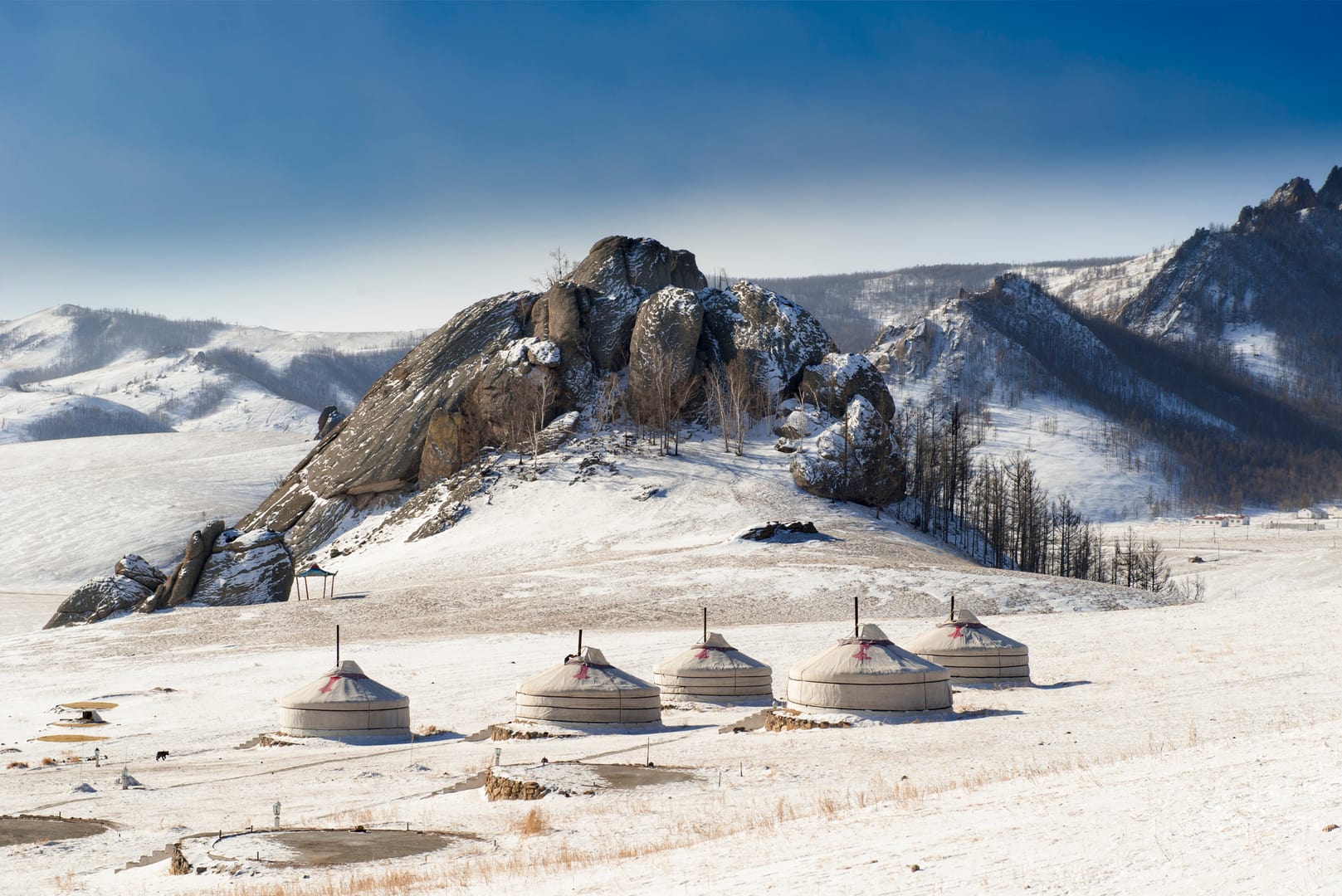
Winter brings stark snow landscapes, frozen rivers and very low temperatures. Ulaanbaatar and the interior can fall far below freezing for long periods. Vehicle reliability, heated accommodation and cold weather clothing become essential safety requirements.
The season suits experienced photographers, winter festival visitors and travellers interested in a focused cultural stay. It does not suit a standard first itinerary simply moved from summer to January. Driving times, toilets, meals and outdoor exposure all need redesign.
Air quality in Ulaanbaatar can be poor during winter because of heating emissions and temperature inversions. Limit strenuous outdoor activity on severe days and choose accommodation with good indoor air management.
Tsagaan Sar, the Mongolian Lunar New Year, falls on changing dates. Family celebrations are culturally important, but tourism access needs careful arrangement. Do not expect public attractions and transport to follow an ordinary schedule.
Spring in Mongolia from March to May
Spring is dry, windy and unpredictable. Snow melts unevenly, unpaved roads become soft and dust storms can interrupt travel. The landscape can look brown before new grass appears.
March remains wintry in many places. April often brings the strongest winds and abrupt temperature changes. May becomes milder, yet cold nights and occasional snow remain possible.
Spring suits travellers who value solitude and can accept route changes. It is not the easiest season for a first visit, a packed photography schedule or a journey that depends on remote camps opening on exact dates.
Best season for the Gobi Desert
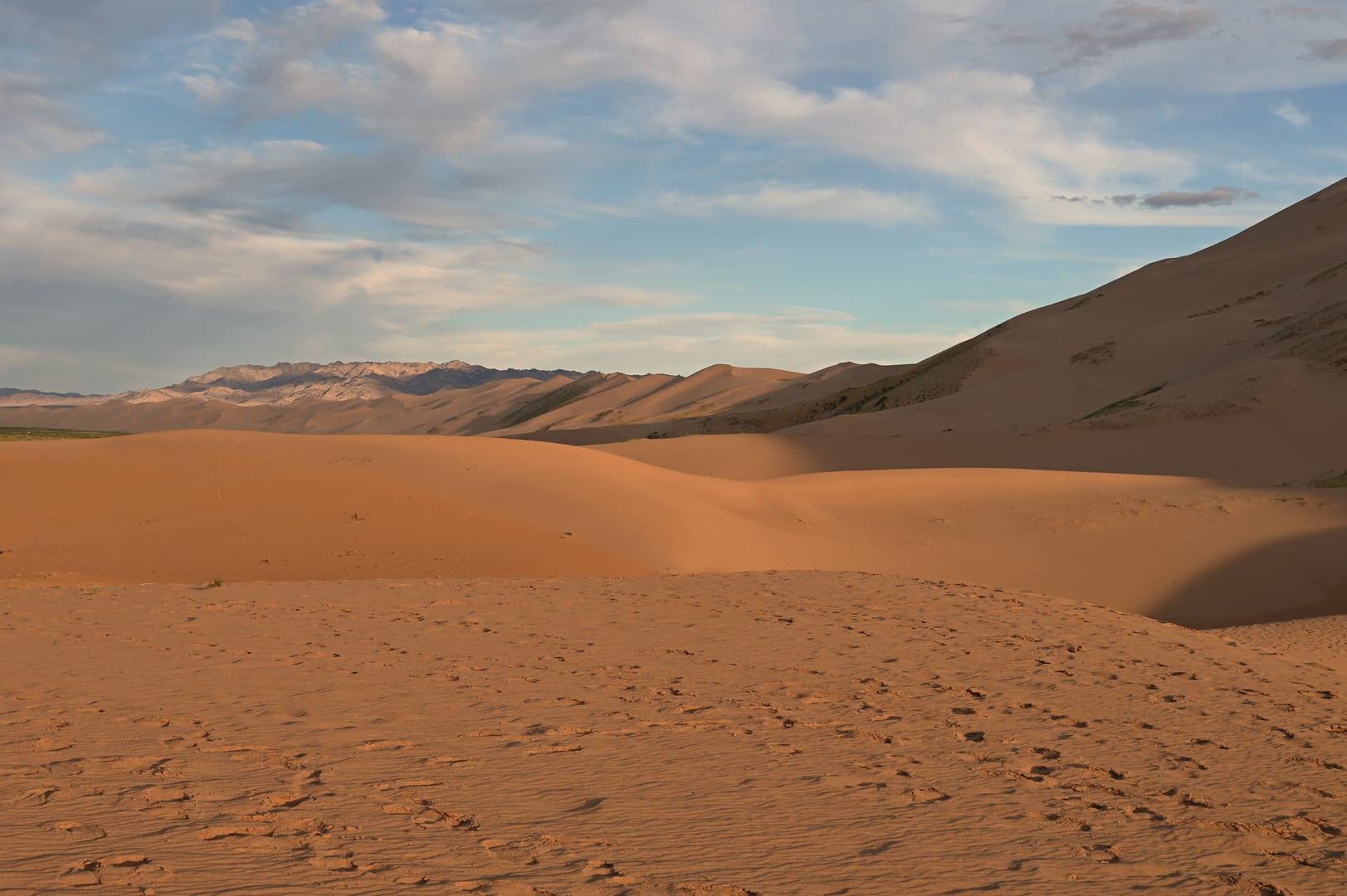
Late May, June, September and early October provide the best balance for many Gobi journeys. Daytime heat is more manageable than in July, while nights remain cold enough to require layers.
Summer storms can flood dry channels and damage earth roads. Your driver needs flexibility to change the route. In winter, the Gobi is cold and windy rather than warm. Desert does not mean year round heat.
Plan at least four or five nights for a meaningful Gobi circuit. Avoid flying or driving back to Ulaanbaatar on the same day as the international departure.
Best season for Khovsgol and northern Mongolia
June to August suits Lake Khovsgol, forest walks, horse riding and camp stays. The lake region is cooler than the Gobi, and nights can feel cold even in midsummer.
Early September brings autumn colour but shorter operating seasons. Ice related experiences belong to winter programmes with specialist support. Road travel from Ulaanbaatar is long, so a domestic flight to Murun can protect time when seats are available.
Best season for the Altai and western Mongolia
Summer supports trekking, mountain routes and family visits in Bayan Ulgii. Late September and early October bring eagle festivals and golden autumn landscapes.
The west has colder nights and more demanding terrain than central Mongolia. Domestic flights need early reservation around festival periods. Weather buffers are essential because a delayed flight can disrupt the whole route.
The UNESCO falconry heritage page explains the wider living tradition that includes eagle hunting. Approach the festival as a cultural event, not only a photography opportunity.
Mongolia festival seasons
Naadam is the largest national celebration and centres on the three traditional sports. Main national events take place in July, while local Naadam dates vary. Book city hotels, guides and tickets well ahead.
Golden Eagle festivals take place in western Mongolia during early autumn, with different events in Sagsai and near Ulgii. Dates and formats can change, so build the itinerary around the confirmed festival programme and domestic flights.
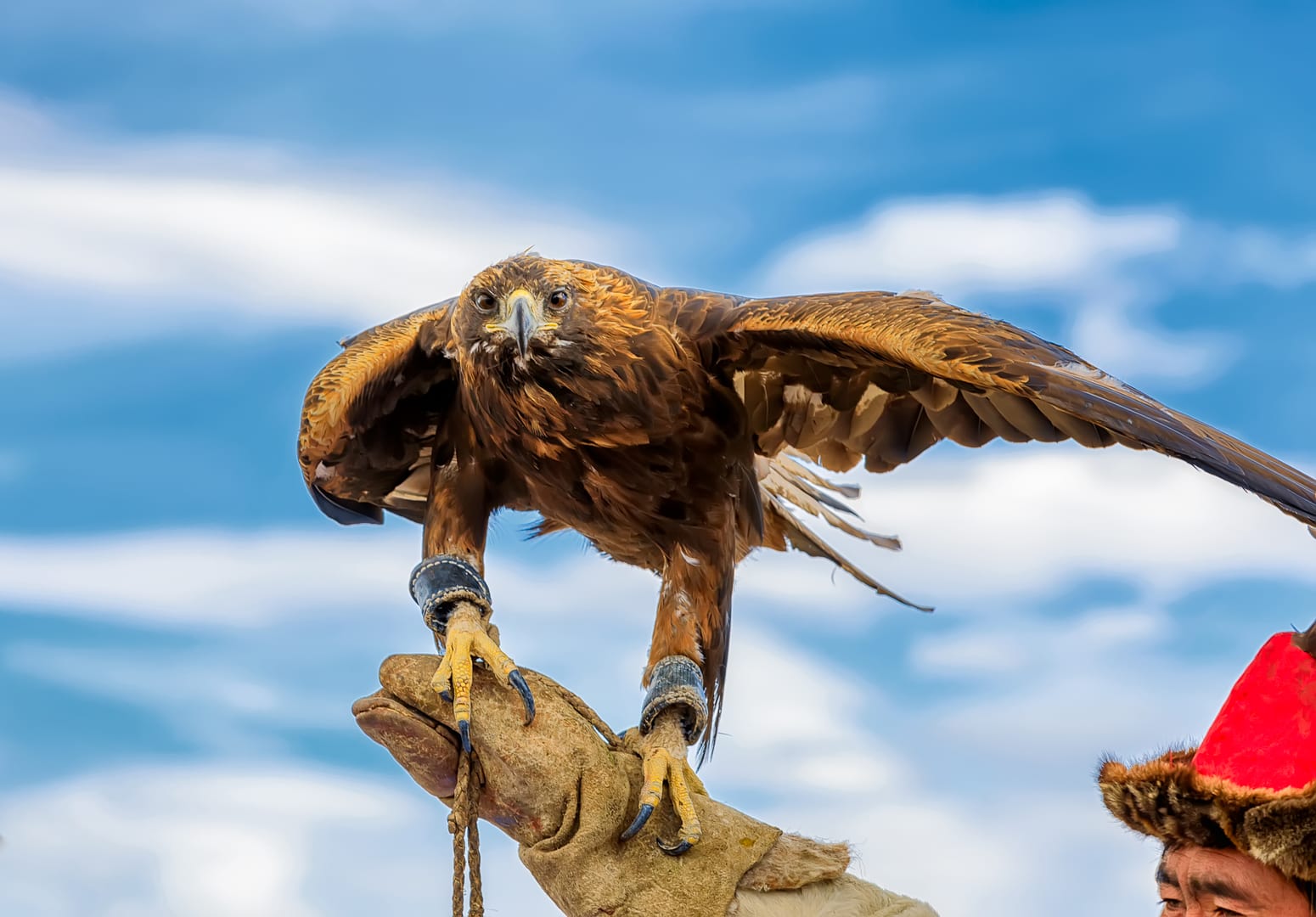
Winter and spring include ice, camel and eagle related events in selected regions. These are weather dependent and should never be treated as fixed attractions that operate every day.
Choose your month by travel style
June suits travellers who want green landscapes and quieter camps. July suits festival focused visitors and families tied to school holidays. August suits a balanced first trip with established services. September suits photographers, returning travellers and those drawn to western culture.
Winter suits experienced cold weather travellers. Spring suits flexible visitors who value space more than predictable conditions. If comfort is important, choose the warmer season and spend more on good camps, private facilities and shorter driving days.
Booking timing for each season
Start planning July and eagle festival travel nine to twelve months ahead. Domestic flights, limited western hotels and well located camps fill quickly. June, August and September also benefit from early reservations when the group needs several rooms or private bathrooms.
Winter trips need advance planning for equipment, heated accommodation and emergency support. A late booking can still work in the shoulder seasons, but the route should follow confirmed camp openings rather than an ideal map.
Allow for regional weather changes
Conditions can shift dramatically during one itinerary. Ulaanbaatar may feel mild while Terelj is windy, the Gobi is hot at midday and an Altai pass is covered in fresh snow. Treat the forecast for each overnight stop separately. Ask your driver and guide to review road conditions every morning, and keep one warm, waterproof layer accessible inside the vehicle. This small habit is far more useful than packing solely for the capital city forecast.
How a Mongolia travel specialist plans the best season
Choose the month from the experience you want most, then select regions whose roads, camps and cultural events work at that time. Mongolia looks simple on a map, but scale, road conditions, limited flights and changing weather decide what is comfortable. Start with the one experience that matters most, then build the route around it.
Keep city nights, countryside nights and travel days visually separate when reviewing the itinerary. A short distance can take longer than expected once the paved road ends. Two or three nights in an important region usually create a better experience than a sequence of single night stops.
Reserve the least flexible element first. This could be a domestic flight to Ulgii, a ger camp with limited rooms, the Golden Eagle Festival, a Naadam programme or a family visit arranged through a trusted local partner. The SoulTrips guide to booking ahead gives you a useful planning timeline.
Common planning mistakes
- Choosing July only for warmth without allowing for Naadam demand.
- Assuming the Gobi stays warm at night or during winter.
- Packing for Ulaanbaatar while ignoring colder mountains and lake regions.
- Planning a spring road journey without buffers for wind, dust and thawing tracks.
These mistakes are easy to prevent with a focused route, realistic driving times and one weather buffer. Add one flexible night around remote flights and avoid making a weather dependent festival the final event before departure.
Make the final plan work on the ground
Review the best season one last time with the local team before paying the final balance. Confirm the real driving hours, meal arrangements, bathroom standard, heating, luggage limits and the point where mobile coverage becomes unreliable. Ask which day is most exposed to weather and what the practical alternative will be.
Keep one flexible half day in Ulaanbaatar and one complete night before the international departure. This margin gives the guide room to respond to a delayed domestic flight, a difficult road or a camp change without removing the experience that matters most.
Share medical needs, dietary requirements and mobility concerns clearly. A specialist can adjust the vehicle, room location, walking route and meal plan only when the details are known in advance. Carry the confirmed programme offline, but expect the guide to refine each day using current local conditions. That balance of preparation and flexibility is the key to travelling comfortably across Mongolia.
Practical advice for different travellers
First time visitors
Choose June, August or early September for the best balance of access, comfort and countryside variety. The SoulTrips Mongolia culture and wilderness journey is a useful model because it balances Ulaanbaatar, central history, sand dunes, nomadic encounters and Terelj without trying to cross the whole country.
Solo travellers
Use an experienced local guide and driver outside Ulaanbaatar. Remote roads, limited mobile coverage and great distances make improvised solo transport difficult. Share the route with someone at home and keep the guide's local contact details offline.
Families
Travel during the warmer months, limit drive length and choose camps with reliable meals and private bathroom options. Build in regular toilet stops, warm layers, familiar snacks and quiet time at camp. Horse and camel activities need properly fitted equipment, clear supervision and a pace suited to the least confident rider.
Older travellers and travellers with mobility concerns
Use late June to August for warmer walking conditions and ask for camps with level access and nearby facilities. Ger thresholds, uneven ground, basic bathrooms and long vehicle days can be demanding. Ask for photographs and exact walking descriptions, then request private facilities, a western toilet and the ger closest to the main building where possible.
Responsible travel and safety
Travel at a pace that reduces repeated long drives and supports locally operated camps across more than one night. Mongolia's open landscape can look empty, but it supports families, livestock, wildlife and fragile water sources. Stay on established tracks when instructed, carry rubbish out and never photograph people at close range without permission.
Weather can change quickly. Carry warm layers, drinking water, sun protection and a basic personal medicine kit even on a summer day. Follow your guide during storms, strong wind, wildfire conditions or flooding, and do not separate from the vehicle in remote country.
Travel insurance should cover medical treatment, evacuation, domestic flight disruption and the activities in your itinerary. Mobile coverage becomes limited beyond settlements, so a good operator carries communication and contingency plans that match the route.
Review the SoulTrips Mongolia destination guide for related planning articles and browse SoulTrips travel tips before departure.
Frequently asked questions
-
What is the best month to visit Mongolia?
June, August and September suit many travellers. July is excellent for Naadam but brings stronger demand, while September is ideal for autumn light and eagle festival journeys.
-
Is Mongolia warm in summer?
Days can be warm, especially in July and the Gobi, but nights remain cool. Mountain, lake and desert routes all require warm layers.
-
When is Naadam in Mongolia?
The main national celebrations take place in July. Local Naadam events use their own dates, so reserve the exact programme before building the itinerary.
-
When is the Golden Eagle Festival?
Major events in western Mongolia take place in late September and early October. Dates differ by festival and year, so secure the event and domestic flights together.
-
Can you visit Mongolia in winter?
Yes, with specialist planning, proper clothing, heated accommodation and a route designed for severe cold. It is a very different trip from a summer circuit.
-
Is spring a good time to visit Mongolia?
Spring is quiet but windy, dusty and unpredictable. Choose it only when you can accept road changes and limited camp operations.
-
When is the Gobi Desert most comfortable?
Late May, June, September and early October often provide a good balance. July can be hot, while nights remain cold in every season.
-
When should photographers visit Mongolia?
September offers clear light, golden grass and cultural events in the west. June gives greener steppe and long daylight, while winter creates stark snow scenes.
-
How early should you book Mongolia?
Start nine to twelve months ahead for July, eagle festivals and limited domestic flights. Other summer journeys benefit from six to nine months of planning.
-
Can SoulTrips recommend the right season?
Yes. Share your interests through SoulTrips trip planning and a specialist can match the region, climate and pace to your preferred experience.
Choose the best time to visit Mongolia for your journey
The best time to visit Mongolia is the season that supports your main experience. Choose summer for easy access, September for colour and eagle culture, or winter for a specialist cold weather journey. Browse SoulTrips Mongolia tours or contact the team to plan around real distances and seasonal conditions.