By Soul Trips · Updated on 25 September, 2026
Chengdu to Xinjiang Luxury Train: Route, Highlights and Experience
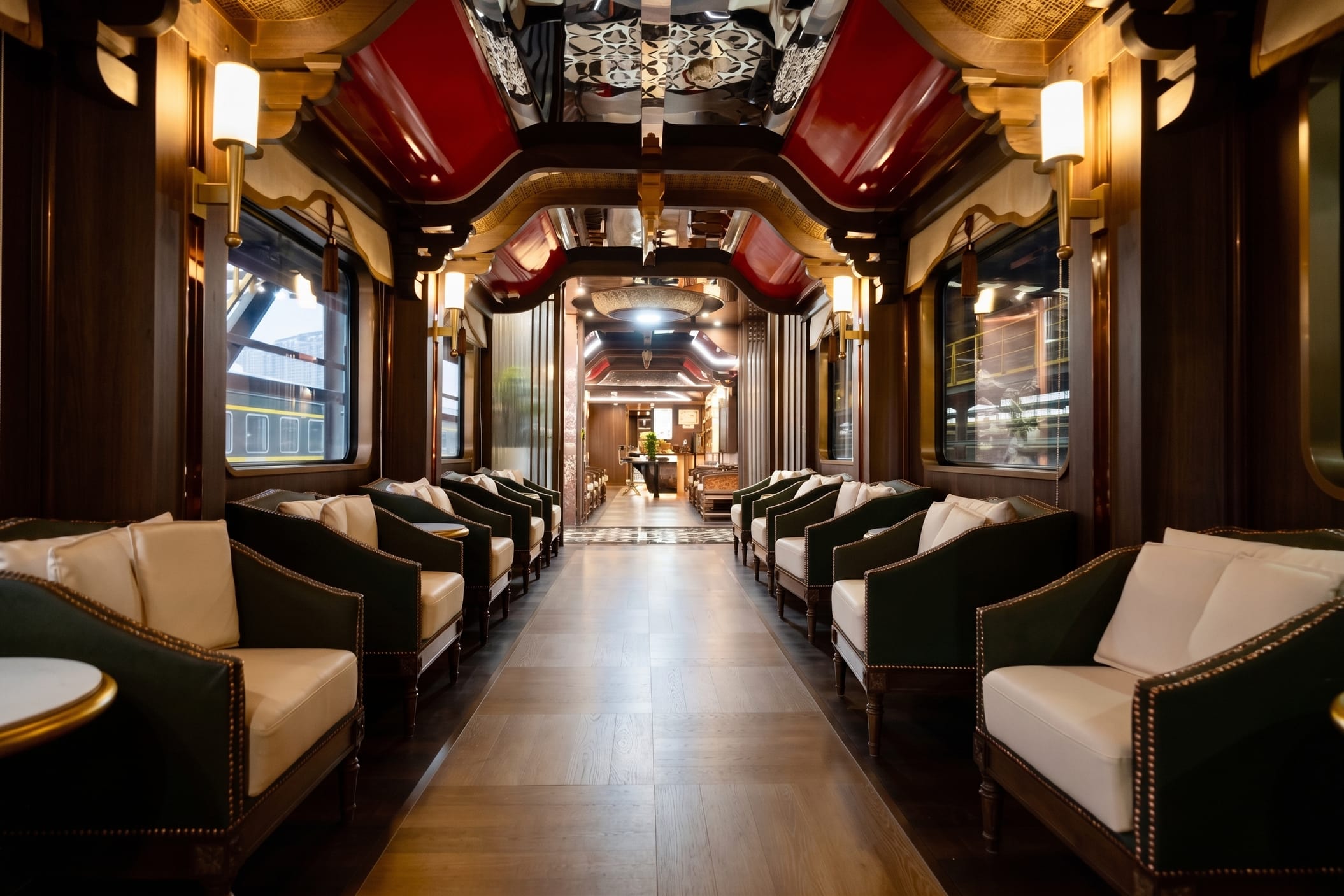
The Chengdu to Xinjiang luxury train is a sixteen day journey that treats the railway as part of the destination. You travel aboard the Jinxiu Tianfu Panda Train, sleep in private suites, join guided excursions and stay in premium hotels during longer land sections.
The route crosses Sichuan, the Hexi Corridor and Xinjiang, connecting tea culture, desert history, alpine lakes, Silk Road cities and high plateau landscapes. It is designed for travellers who enjoy slow travel and cultural depth without repeated packing.
The current source for departures, prices and exact inclusions is the SoulTrips Luxury Rail Expedition. Details can change, so use this guide to understand the experience and the live page to confirm your departure.
Chengdu to Xinjiang luxury train at a glance
- Duration: sixteen days and fifteen nights.
- Starting and ending city: Chengdu on the current programme.
- Train: Jinxiu Tianfu Panda Train.
- Accommodation: eight nights onboard and seven nights in premium hotels.
- Route: Chengdu, Urumqi, Altay, Hemu, Kanas, Yining, Nalati, Kuqa, Kashgar, Tashkurgan, Turpan and Lanzhou.
- Style: guided group journey with private suites and organised excursions.
- Language: programme conducted mainly in Mandarin, with English guide arrangements available on request.
Always confirm the exact sequence for your departure because operations, weather and regional regulations can affect the programme.
The Jinxiu Tianfu Panda Train
The train is designed as a moving hotel rather than a standard sleeper. The current SoulTrips programme describes eighteen carriages, fifty four guest rooms and capacity for up to 132 passengers.
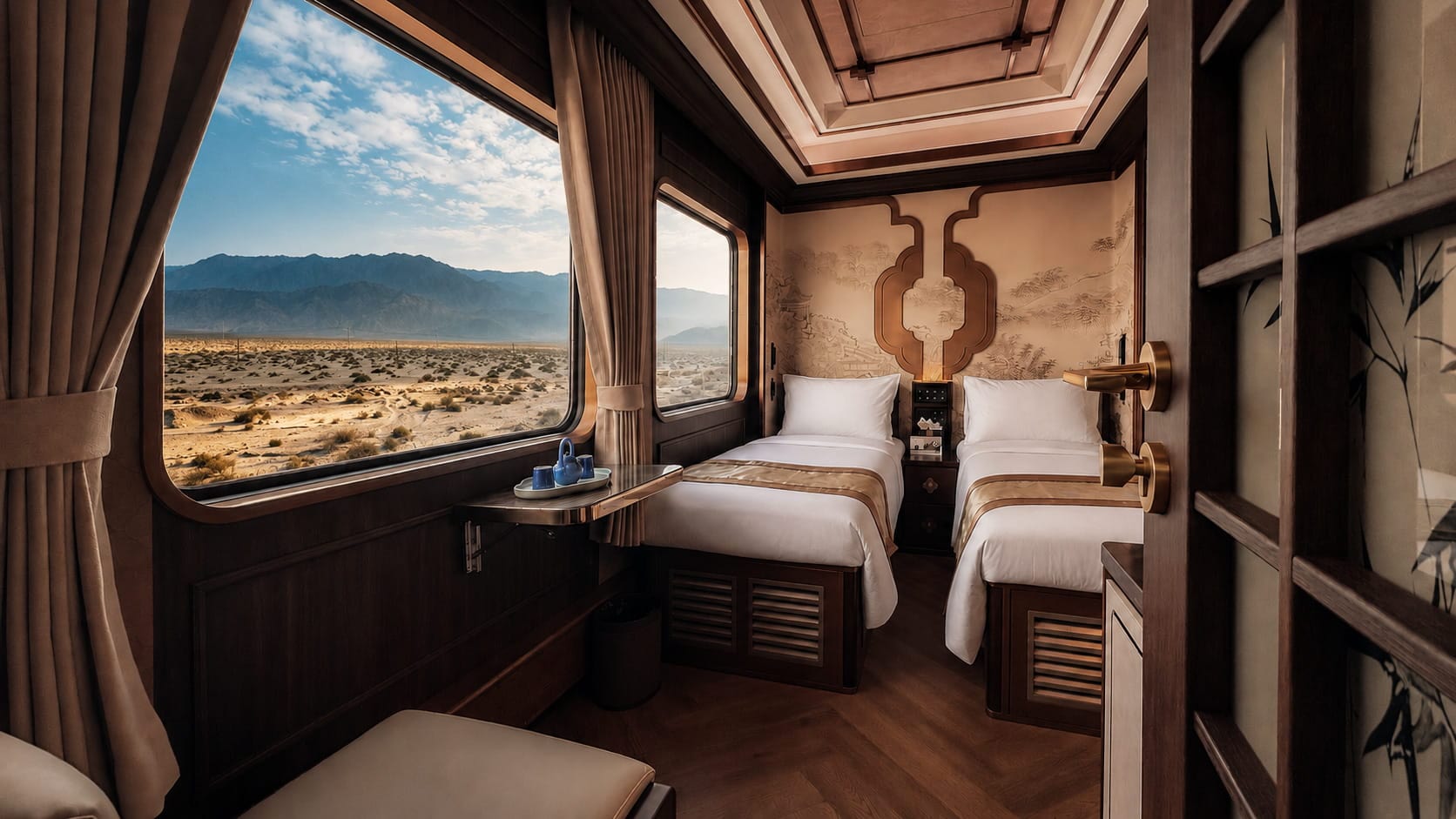
Private suites include an ensuite bathroom, smart controls, minibar and panoramic window. Interior details reference Shu brocade and Chengdu's textile heritage.
Cabins remain train sized. Review the exact suite floor plan, bed arrangement and storage before choosing. The pleasure comes from continuity, service and the landscapes beyond the window.
Suite categories
The live tour page currently lists Jinwo Superior and Jinta Deluxe categories. Prices differ significantly, so compare space, bedding, bathroom and included services.
Triple share options may suit families, subject to availability. Ask for a current cabin diagram rather than assuming it resembles a hotel room.
Travellers with mobility concerns should discuss corridors, train movement, platform steps and bathroom access in detail.
Onboard service
The programme currently describes panda butlers, vacation ambassadors, professional chefs and a large operating crew. Bilingual concierge support is available, while the main programme language is Mandarin.
Service includes dining, cultural activities and assistance with the daily rhythm. Your expectations should still reflect a moving train, where space, water and operations differ from a fixed hotel.
Tell SoulTrips about dietary needs, allergies and mobility before booking so arrangements can be confirmed rather than assumed.
Dining on the train
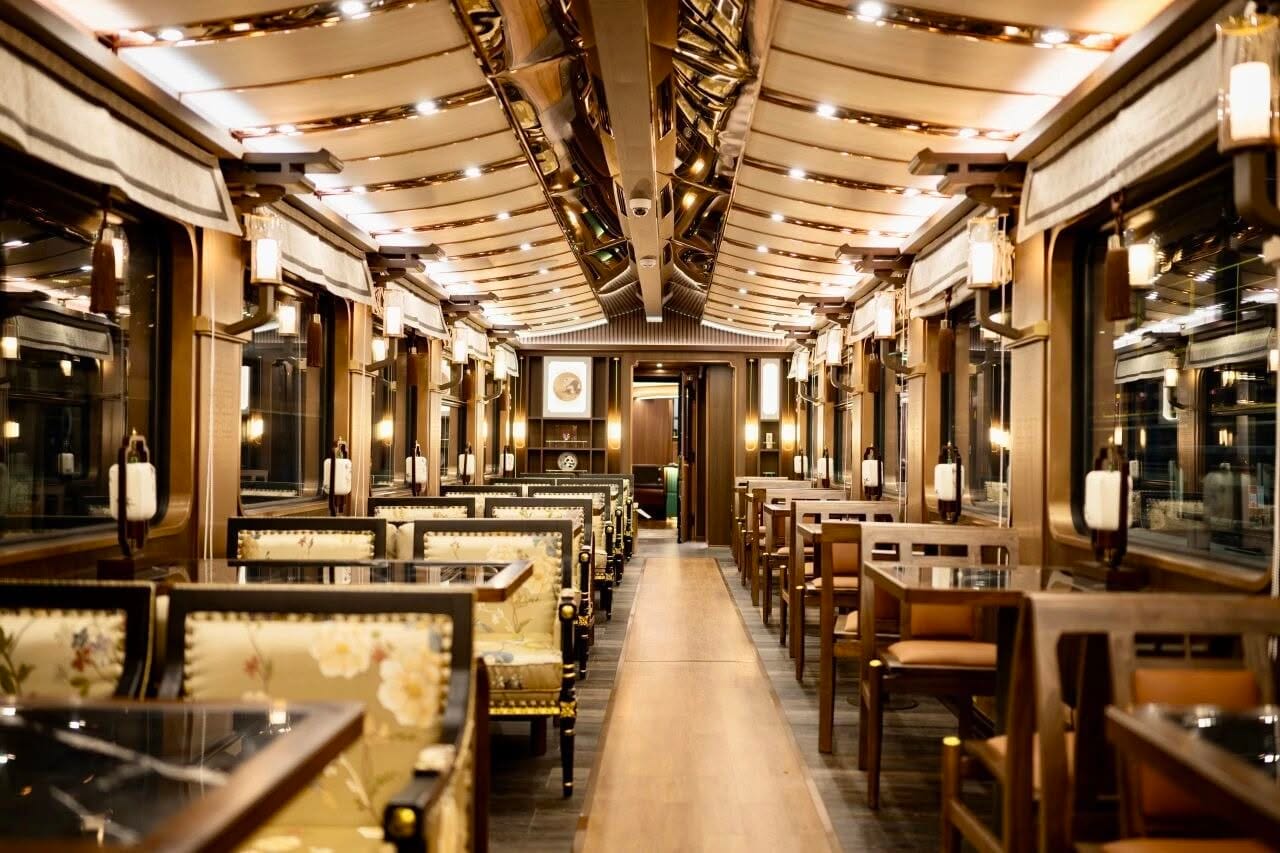
Meals form part of the journey, combining Sichuan flavours and Silk Road influences. The current itinerary includes speciality meals during land excursions as well as onboard dining.
Menus and ingredients can change. Severe allergies require a clear written discussion before payment because remote sections limit substitutions.
Bring a few personal snacks for comfort, but avoid strong smelling food in shared areas. Tea and dining become part of the social experience.
Day 1: Boarding in Chengdu
The journey begins with a welcome ceremony, cultural programme and reception. Arrive in Chengdu before the departure day rather than relying on an international flight that morning.
One pre tour night is the minimum sensible buffer. Two nights allow you to visit the panda base, enjoy a tea house and recover from the flight.
Pre and post tour hotels are not included under the current programme, so budget and reserve them separately.
Crossing the Hexi Corridor
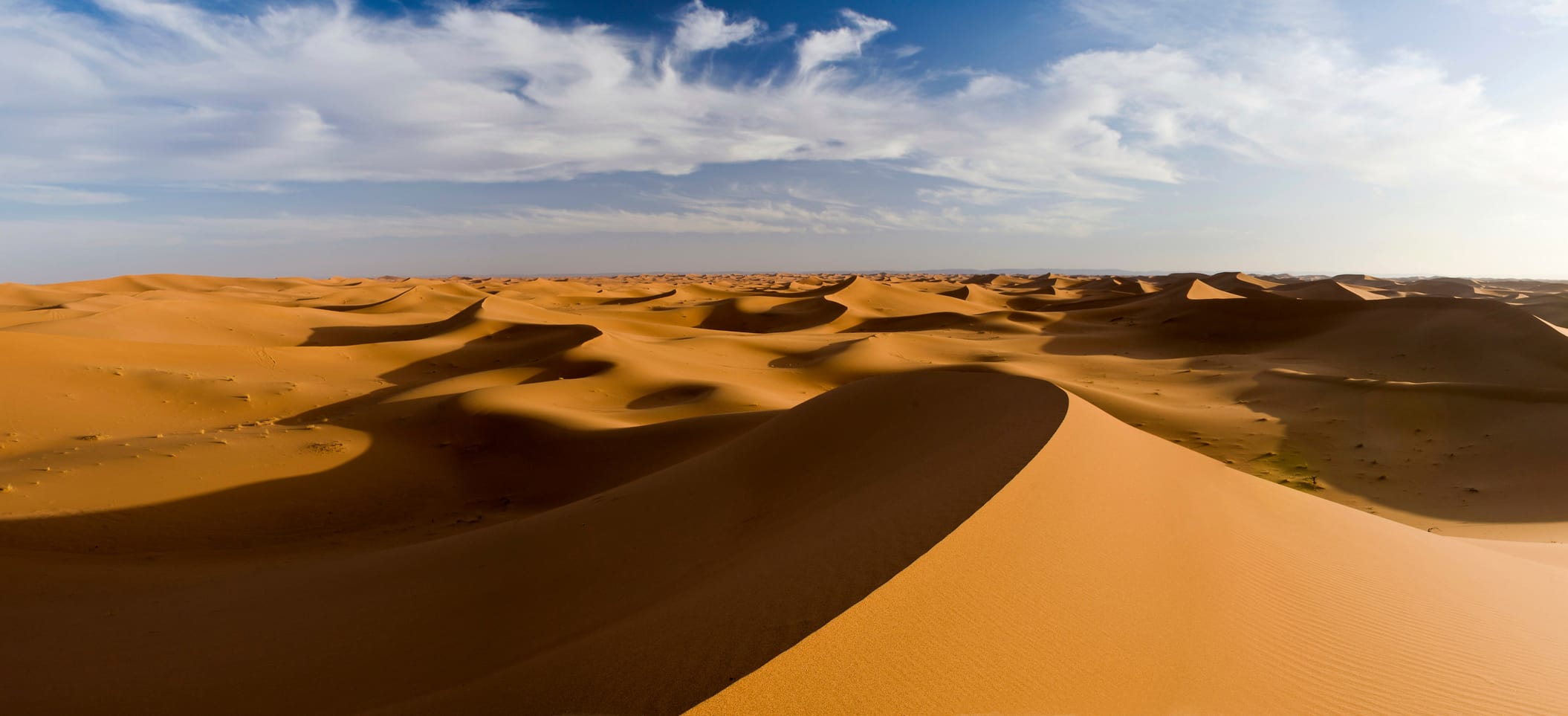
The early rail section travels towards Urumqi through landscapes associated with the historic Silk Road. The Hexi Corridor lies between mountain ranges and desert, creating a natural passage used for movement and exchange.
Onboard talks, film screenings and tea activities help connect the view with history. This is a key advantage over flying directly to Xinjiang.
The train time should be treated as experience, not empty transit.
Urumqi and Heavenly Lake
Urumqi is the gateway to Xinjiang. The programme includes a journey to Tianshan Tianchi, known as Heavenly Lake, with views towards the Bogda range when conditions are clear.
Weather affects mountain visibility. Bring a warm layer even when Urumqi is hot. Road and attraction operations can alter timing.
The group returns for dinner and continues by train towards Altay.
Hemu Village
Hemu sits within the Altay mountain landscape, known for river valleys, grasslands and Tuvan community heritage. The programme includes an overnight in the scenic area.
Pack a small overnight bag because the main luggage may remain onboard. Bring medicine, warm clothing, chargers and toiletries.
Photography should remain respectful. Ask before photographing residents and avoid treating a living village as a staged scene.
Kanas Lake
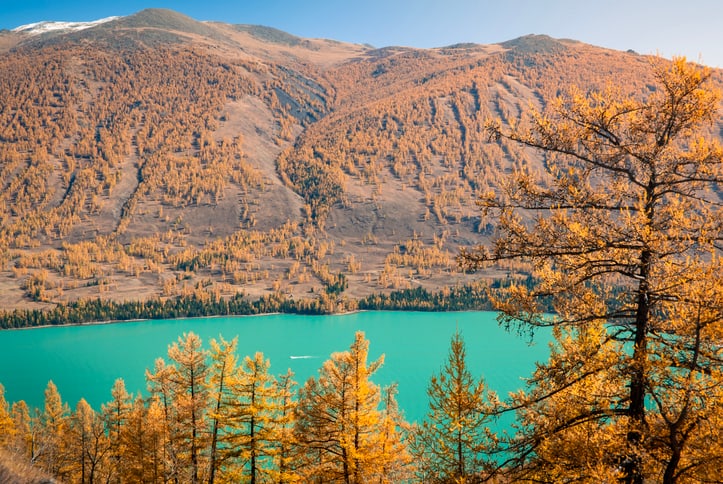
Kanas is one of the programme's major natural highlights. Forests, glacial water and mountain views change with weather and season.
The itinerary includes lakeside experiences and famous viewpoints. Some involve walking and steps, so ask about the current physical demands.
Morning mist can be beautiful, but visibility is never guaranteed. Flexible expectations improve the experience.
Sayram Lake and Yining
Sayram Lake sits high in the Tianshan region. The programme includes a scenic drive and lakeside afternoon tea, subject to conditions.
Yining reflects the diversity of the Ili Valley, with Uyghur, Kazakh, Hui and other communities. Food and music connect the region with wider Central Asian histories.
Temperatures can change quickly near the lake. Keep a wind resistant layer in the day bag.
Nalati Grasslands
Nalati offers alpine meadows, spruce forests and cultural connections with Kazakh pastoral traditions. The route follows the Ili landscape before returning to Yining.
Summer and early autumn are popular, but grassland colour and weather vary by departure. Comfortable walking shoes and sun protection are essential.
Respect livestock, private spaces and local instructions. Cultural encounters should not be reduced to costume photographs.
Kuqa and the red canyon
Kuqa was an important Buddhist and trading centre on the northern Silk Road. The programme includes a dramatic red sandstone canyon and regional heritage.
Walking surfaces can be uneven, hot and exposed. Bring water, sun protection and shoes with grip.
Regional regulations may affect routes for different traveller groups. SoulTrips will confirm the current programme for your nationality.
Kashgar
Kashgar is one of the journey's richest cultural stops. The old city, workshops, tea houses and food traditions reveal centuries of trade and adaptation.
Explore with a local guide who can distinguish living culture from simplified Silk Road imagery. Ask before photographing people and artisans.
The itinerary includes afternoon tea and regional dining before the train continues.
Pamir Plateau and Tashkurgan
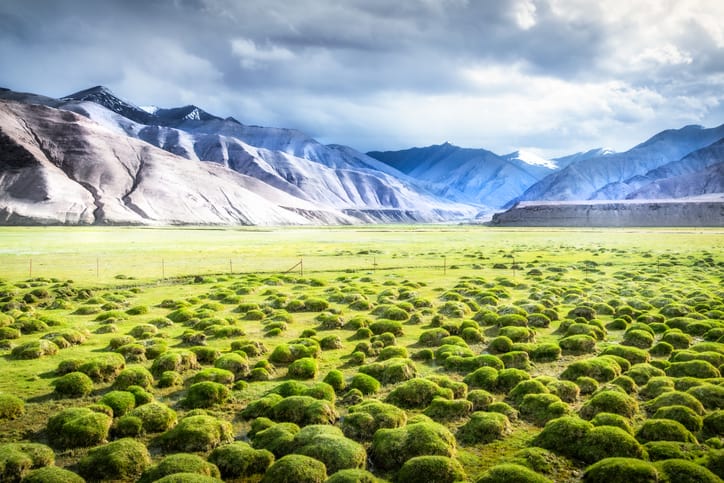
The road from Kashgar towards Tashkurgan reaches serious altitude. Baisha Lake, mountain views and Tajik cultural encounters are among the programme highlights.
The itinerary indicates elevations of roughly 3,000 to 4,000 metres in parts of the plateau. Altitude can affect any traveller regardless of fitness.
Move slowly, hydrate and tell the guide about symptoms. Read the SoulTrips advice on high altitude travel and seek medical advice before booking if you have relevant conditions.
Karakul Lake
Karakul Lake provides views towards Muztagh Ata in suitable weather. The landscape is stark and exposed, with strong sun and cool air.
Do not overexert yourself for a photograph. The guide sets the safe pace and can adapt activities.
Weather may affect visibility or access. The journey remains valuable as a cultural and geographic experience even when a peak is hidden.
Turpan and Jiaohe
Turpan is known for desert heat, irrigation history, grapes and the ancient city of Jiaohe. The programme includes the Karez system and a cultural performance at Jiaohe, subject to weather.
Temperatures can be intense. Light clothing, hat, sunscreen and water are essential, with modest dress for village and religious settings.
Jiaohe is recognised within the wider Silk Roads World Heritage listing. Its earthen ruins need responsible visitor behaviour.
Return through Lanzhou
The final rail section provides time to rest, join cultural activities and reflect on the distance travelled. The current programme includes craft workshops, film screenings and tea activities.
The route returns to Chengdu. Keep your international flight on a later day rather than assuming the train will arrive with perfect precision.
Operational schedules can change, and a buffer protects a valuable ticket.
Hotels during the journey
The programme uses premium hotels in several destinations. Named examples are subject to substitution with a similar standard.
Remote scenic areas cannot always match the facilities of a major city. Location and access may be more valuable than international branding.
Review the current hotel list, room arrangements and included meals before booking.
Physical demands
This is a comfortable journey, but not a stationary holiday. Excursions include road transfers, walking, steps, uneven ground and altitude.
Train corridors move underfoot. Platforms and boarding points may require steps. Discuss walking aids and knee concerns early.
A private suite reduces fatigue, while rest on the train helps between active days.
What to pack
Pack layers for humid Chengdu, dry desert areas, alpine lakes and high plateaus. Bring comfortable shoes, warm outer layer, sun protection and a compact rain jacket.
Use a small overnight bag for hotel excursions when the main case remains onboard. Keep medicine and documents with you.
Review the China packing guide and current aviation rules for power banks.
Entry and regional documents
Singapore ordinary passport holders currently have visa free access for eligible stays of up to 30 days, but the programme length and purpose must remain within the rules.
Xinjiang travel can involve regional procedures and passport checks. Carry your passport and follow guide instructions.
Verify current entry guidance with the Singapore Ministry of Foreign Affairs before departure.
Best time to travel
Published departures currently run from spring into autumn. Each period changes the landscape. Early departures may have cool mountain weather, summer brings green grasslands and heat in Turpan, while autumn changes colour and shortens daylight.
There is no guaranteed perfect weather across such a long route. Pack for contrast and accept some variation.
Use the live page for current departure availability.
A typical day on the train
The rhythm changes according to the distance and excursion. A rail day may include breakfast, a destination briefing, landscape viewing, lunch, a cultural activity and an evening meal. On an excursion day, you may leave soon after breakfast and return after dinner.
Keep the next day's clothing and day bag ready. Listen carefully to meeting times because the group operates across stations, hotels and scenic sites.
Free time onboard is part of the appeal. Read, watch the landscape, speak with fellow travellers or rest rather than trying to fill every hour.
Connectivity and work
Mobile coverage can vary across remote landscapes and border regions. The train may offer services, but you should not depend on uninterrupted internet for essential work or calls.
Download documents, entertainment and translation tools before boarding. Tell family that some stretches may be quiet.
This is better treated as a genuine break than a remote office. The route's value lies in attention to place and movement.
Solo travellers and groups
Solo travellers gain an organised social environment and avoid planning complex transfers alone. A single occupancy cabin can carry a significant supplement, subject to availability.
Couples and friends should review bedding carefully. Families need to confirm age suitability, triple share space and the stamina required by excursions.
Group timing creates companionship but requires punctuality. Travellers who prefer complete independence may find a private land tour more suitable.
Who will enjoy this journey?
This train suits travellers who enjoy the journey itself, cultural interpretation, organised days and changing landscapes. It appeals to couples, friends, families with older children and mature travellers who value comfort.
It may not suit someone who needs complete daily independence, dislikes group timing or expects a hotel sized cabin.
The best fit is a curious traveller who welcomes both premium service and regional complexity.
Cost and value
The price combines suite accommodation, hotels, meals, transport, onboard service and a large excursion programme. Compare it with a complete sixteen day private journey rather than a train fare.
International flights, pre tour and post tour hotels, insurance and some personal costs remain separate under the current inclusions.
Prices and departures change. Confirm the live SoulTrips luxury train page before paying.
Preparing for a fixed departure
A special train departure has less flexibility than an ordinary hotel booking. Arrange international flights only after SoulTrips confirms the cabin, date and payment conditions. Keep a buffer in Chengdu before boarding and after the scheduled return.
Review the cancellation terms, insurance cover and passport details at the same time. A renewed passport can affect reservations linked to the previous number. Share dietary, medical and mobility information early, while suppliers still have time to respond. This preparation is not administrative clutter. It protects a high value journey and allows the onboard team to provide appropriate service from the beginning.
Frequently asked questions
-
How long is the Chengdu to Xinjiang luxury train journey?
The current SoulTrips programme lasts sixteen days and fifteen nights. It includes eight nights onboard and seven nights in hotels.
-
Does the train end in Xinjiang?
The published programme travels through Xinjiang and returns to Chengdu. Confirm the route for your departure.
-
Does every cabin have a private bathroom?
The current suite description includes an ensuite bathroom. Review the exact category and floor plan before booking.
-
Is the programme conducted in English?
The main programme is conducted in Mandarin. English guide arrangements can be requested, subject to confirmation.
-
Is the trip suitable for older travellers?
It can be, but excursions involve walking, steps, long road transfers and altitude. Share exact mobility and health needs before booking.
-
How high does the route go?
The Pamir section reaches roughly 3,000 to 4,000 metres in places. Seek medical advice if altitude may be a concern.
-
Are flights from Singapore included?
International flights are not shown as part of the current land programme. SoulTrips can advise on suitable arrivals and buffers.
-
What happens to the main luggage during hotel nights?
On selected excursions it may remain onboard. Pack a small overnight bag according to the daily instructions.
-
Are meals included?
The published itinerary includes daily meals and speciality dining. Confirm current inclusions and dietary arrangements for your departure.
-
How early should I book?
Cabin inventory and special departures are limited. Plan early, especially if you need a particular suite or English guide support.
Experience the Chengdu to Xinjiang luxury train
The Chengdu to Xinjiang luxury train gives you time to understand distance, landscape and cultural exchange. Private suites and thoughtful service make the movement comfortable, while local guides bring each stop into focus.
Use Plan My Trip or contact SoulTrips to discuss cabin choice, flights, altitude and current availability. The strongest reason to choose this journey is not speed, but everything you notice along the way.