By Soul Trips · Updated on 25 September, 2026
China Packing List: What to Pack for Every Season
A useful China packing list starts with your route rather than a generic season. Beijing can be cold and dry while Shanghai feels damp. Kunming may be mild while Shangri La is wintry. Xinjiang can move from desert heat to cold mountain evenings within the same journey.
Pack versatile layers, comfortable footwear and a manageable case. China has excellent shops, but searching for an essential item takes time away from the holiday. Bring personal medicines, suitable payment methods and offline copies of important documents.
Use the SoulTrips China destination guide to understand your route, then check the China Meteorological Administration shortly before departure.
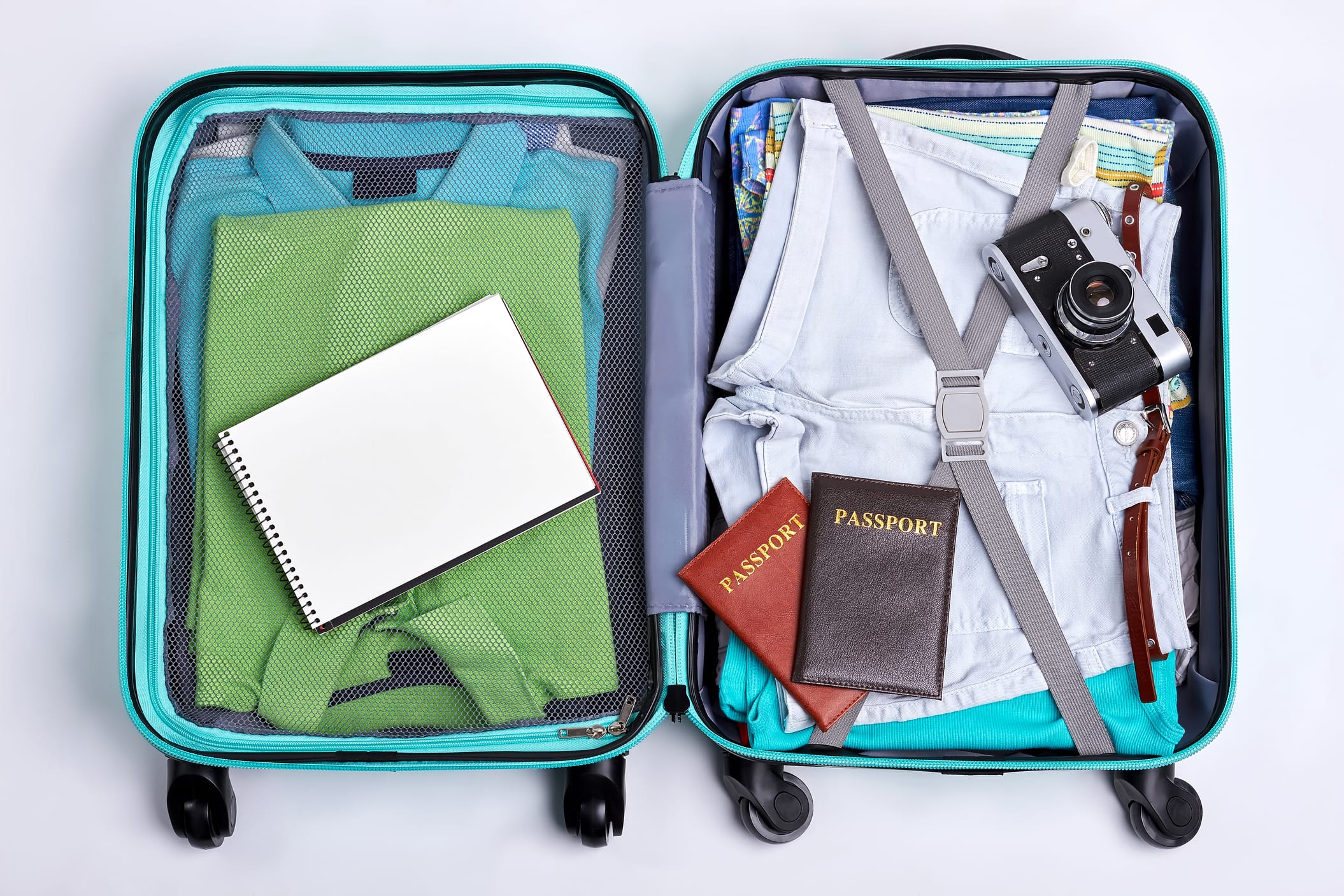
China packing list at a glance
Start with these essentials:
- Passport and offline travel confirmations.
- Visa or permit documents when required.
- Travel insurance details.
- Comfortable walking shoes.
- Light layers that work together.
- Compact waterproof jacket.
- Personal medicine in original packaging.
- Phone, charging cable and approved power bank.
- More than one payment method.
- Small day bag and reusable water bottle.
Your final list should reflect the coldest, wettest and highest part of the itinerary, not only the arrival city.
Travel documents
Keep your passport accessible because hotels, trains and attractions may use it for identity checks. Save copies separately on your phone and secure cloud storage.
Carry flight confirmations, hotel addresses in Chinese, tour contacts, insurance policy and onward travel details. Singapore ordinary passport holders currently benefit from a reciprocal visa exemption for eligible visits of up to 30 days, but you should verify current rules with the Singapore Ministry of Foreign Affairs.
Special regions may require permits. Keep printed and digital copies provided by your operator.
Choosing luggage
One medium case and one compact day bag work for most trips. You should be able to move the case through a station and lift it over a small gap or kerb.
Rail luggage space is practical but not unlimited. Domestic flight allowances may be lower than your international allowance. Check every sector before packing.
Use packing cubes to separate climates and overnight items. A distinctive strap helps identify the case. Keep valuables, medicine and one change of clothes in cabin baggage.
What to pack for spring
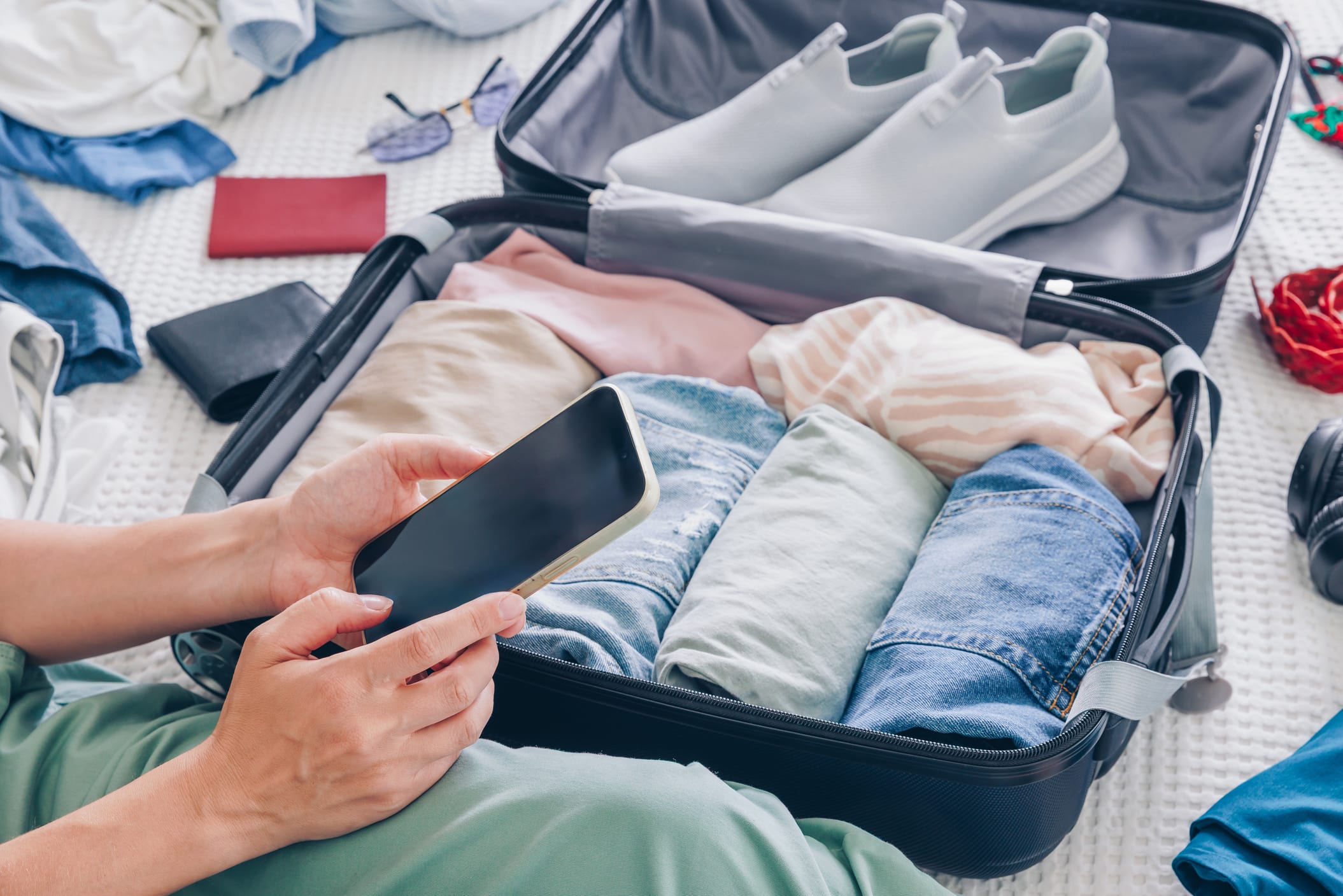
Spring is changeable. Beijing can begin cool and windy, while eastern and southern China receive more rain. Pack a light jumper, breathable tops, long trousers and a compact waterproof layer.
Closed shoes with grip handle wet paving and long sightseeing days. A small umbrella is useful in cities. Add a warmer layer for Yunnan highlands or early spring in the north.
Pollen can affect sensitive travellers. Bring your usual treatment and ask a medical professional for advice before travel.
What to pack for summer
Summer is hot and humid in many cities. Choose breathable clothing that dries quickly. Loose shirts, light trousers and modest shorts work for ordinary sightseeing, while temples may call for covered shoulders and knees.
Bring sunscreen, a hat, sunglasses and a refillable bottle. A compact fan can help in queues. Air conditioning can feel strong, so keep a light layer in the day bag.
Rain can be intense. A thin waterproof jacket protects better than a heavy coat, and quick drying shoes are valuable. Pack spare socks.
What to pack for autumn
Autumn often brings comfortable days and cooler evenings. Pack light layers, a mid weight jumper and a wind resistant outer piece. Later autumn in Beijing, Xi'an and Xinjiang needs more warmth.
Shoes should support long walks on the Great Wall, city walls and parks. Sun protection remains useful because clear skies and elevation can increase exposure.
If your trip crosses several regions, carry both a warm layer and a light rain jacket rather than one bulky garment.
What to pack for winter
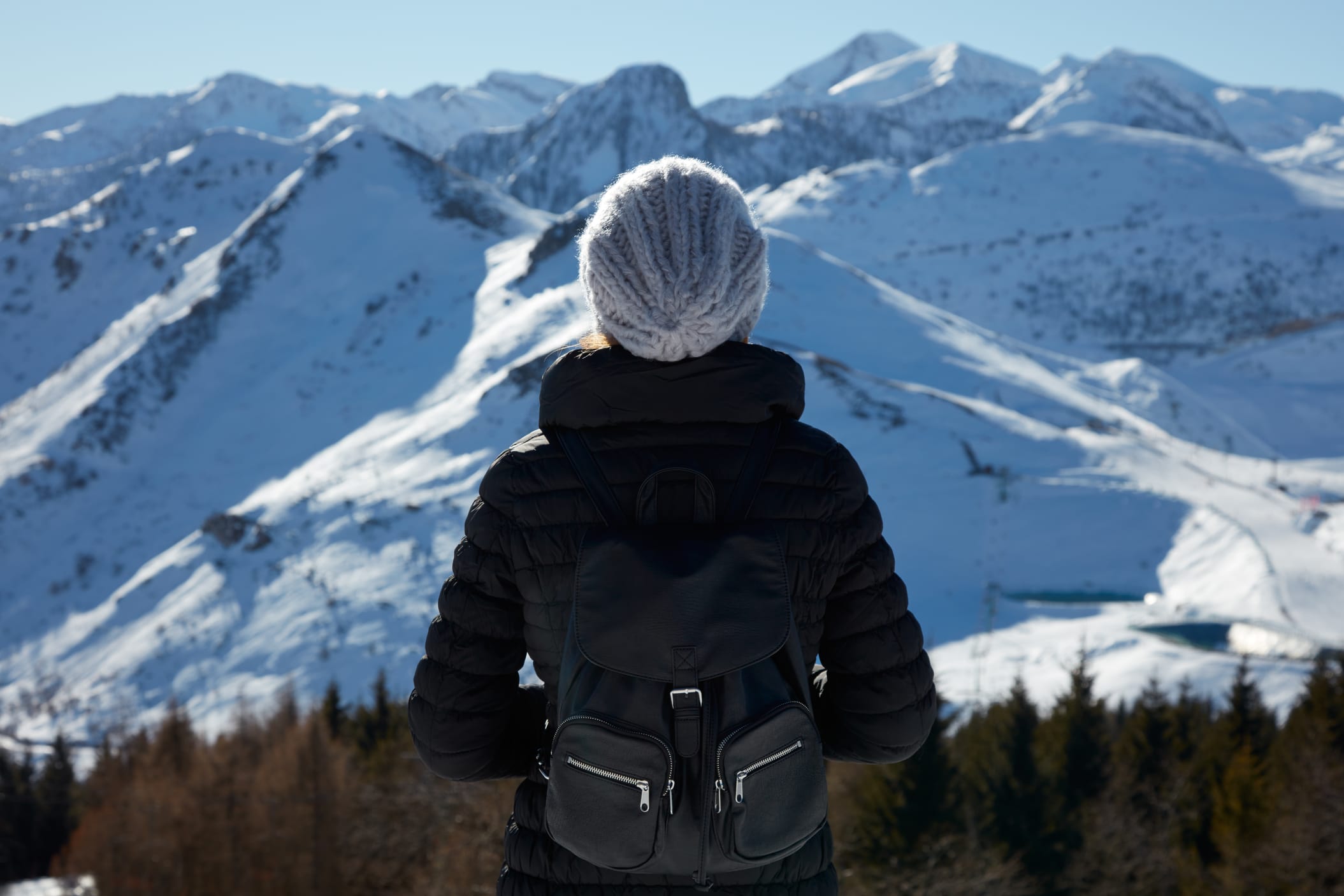
Northern China requires an insulated coat, thermal base layers, gloves, hat and warm socks. Wind makes exposed sites feel colder. Shoes need grip for possible ice.
Shanghai and the south may be less cold on paper but feel damp. Layering works better than relying on one very heavy coat. Indoor heating standards vary.
Dry northern air can irritate skin and lips. Pack moisturiser, lip balm and any saline product you normally use.
Footwear
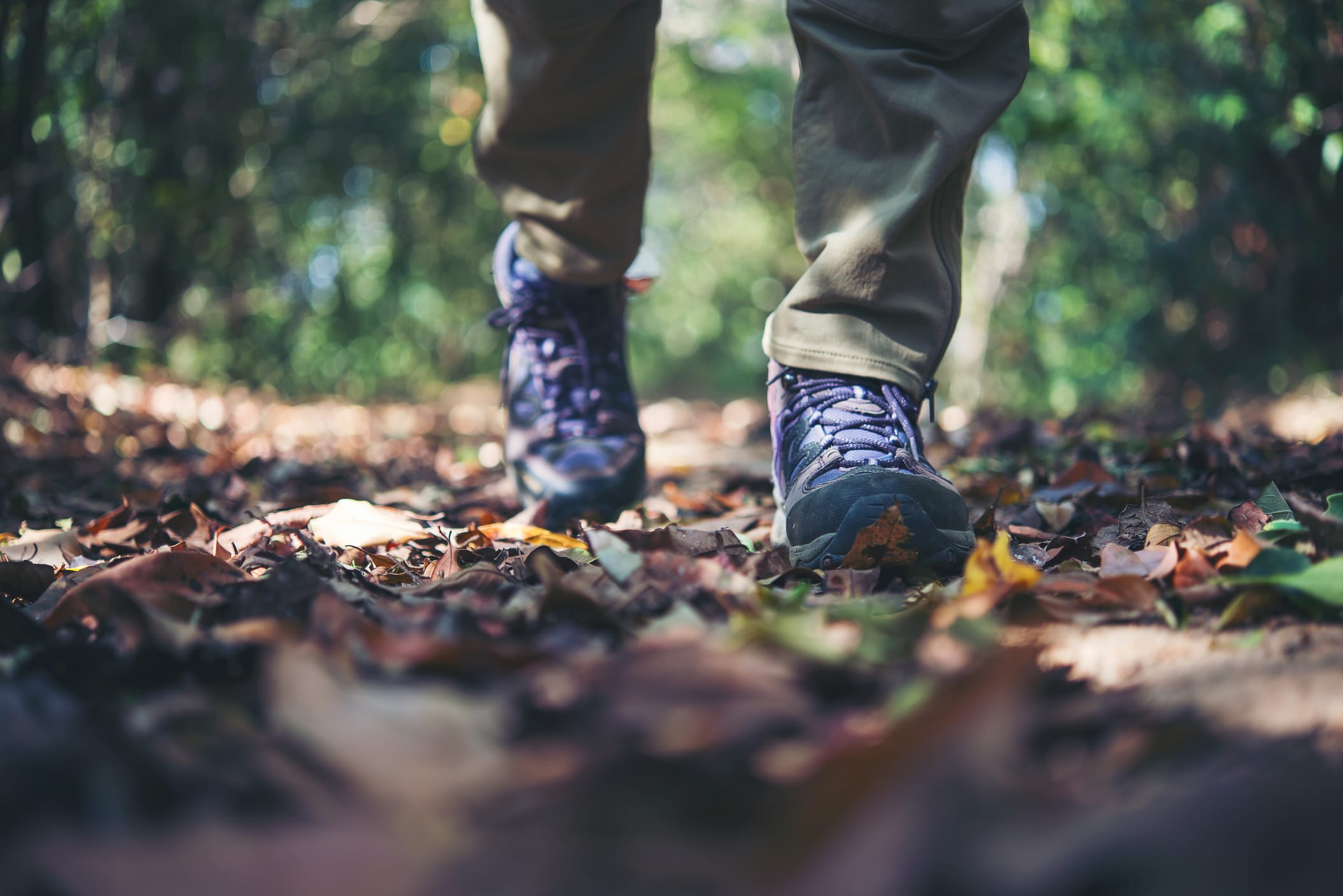
Take one reliable pair of walking shoes already broken in. Many historic sites use stone paving, steps and long approaches. Add a lighter pair for evenings if needed.
Water resistance helps in Zhangjiajie and during rainy months. Full hiking boots are unnecessary for ordinary touring but useful on serious trails.
Travellers with weak knees may benefit from supportive shoes and a collapsible walking pole where permitted. Discuss the terrain with the guide.
Packing for Beijing and Xi'an
Both cities involve substantial walking. Choose supportive footwear, a small day bag and clothing for exposed outdoor sites.
Beijing is dry in winter and hot in summer. The Great Wall can be windier than the city. Xi'an also has strong seasonal changes.
Carry your passport for reserved attractions. Avoid oversized bags because security checks and storage restrictions can slow entry.
Packing for Shanghai and eastern China
Humidity and rain are key. Bring breathable layers, umbrella and shoes that handle wet streets. A smart casual outfit suits refined restaurants or hotel bars but is not essential for ordinary dining.
Summer air conditioning can feel cool after outdoor heat. Winter dampness makes a warm mid layer useful.
Keep valuables protected in crowded metro areas and use a bag with secure closures.
Packing for Yunnan

Yunnan demands layers because altitude changes from Kunming to Dali, Lijiang and Shangri La. Sunny afternoons can coexist with cold nights.
Pack sun protection, warm fleece, light waterproof layer and comfortable shoes. For Shangri La, add a proper warm outer garment even outside winter.
Read the SoulTrips guide to preparing for travel at high altitude. Do not pack unprescribed altitude medicine without medical advice.
Packing for Zhangjiajie
Bring shoes with grip, a compact rain layer and a small day bag. Mist and rain are common features of the landscape. Quick drying clothing is helpful.
Keep hands free on steps and boardwalks. A light cover protects phone and camera equipment. Avoid carrying a large case into the scenic area.
Weather can change quickly, so keep one warm layer even when the city forecast looks mild.
Packing for Xinjiang
Xinjiang combines dry air, strong sun, hot basins and cool mountains. Pack sunscreen, sunglasses, moisturiser, a hat and a warm layer.
Modest clothing is respectful in religious and traditional communities. Long light trousers and shirts offer sun protection while fitting local settings.
Carry your passport during travel. The Luxury Rail Expedition from Chengdu to Xinjiang includes hotel nights and excursions, so use a smaller overnight bag when the main case stays onboard.
Medicines and health items
Pack enough prescribed medicine for the trip plus a small delay margin. Keep it in labelled original packaging with a prescription or doctor's letter.
Useful personal items include pain relief, plasters, stomach treatment, hand sanitiser, tissues and any allergy medicine you normally use. Do not create a large pharmacy without professional advice.
Check Chinese customs rules for controlled medication. Travel insurance and emergency contacts belong with the medicine list.
Toiletries
Hotels provide basic toiletries, but familiar brands and specialist products may be easier to bring. Pack travel sizes for the first days.
Toilet paper and hand soap are not guaranteed in every public facility. Carry tissues and sanitiser. A small packet is enough for daily use.
Sun protection matters at altitude and in dry western regions. Moisturiser is useful in winter and Xinjiang.
Technology
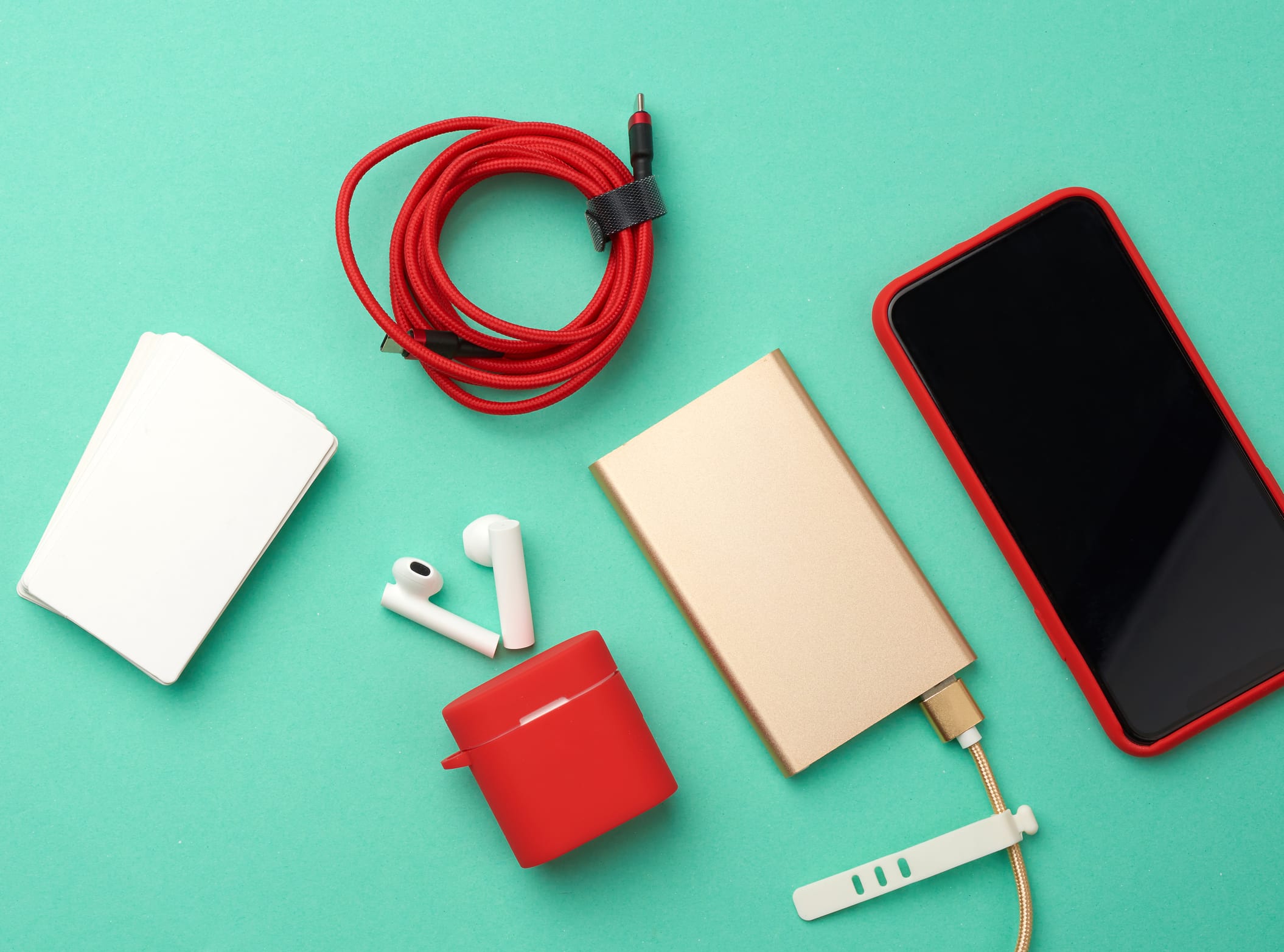
Bring your phone, cables, universal adaptor and a compact multi port charger. China commonly uses several socket shapes and the standard supply is 220 volts. Check that each device supports the voltage.
Download travel confirmations, translation tools and important addresses before departure. Some overseas services may work differently, so arrange mobile data and essential access in advance.
Keep a second authentication method for banking and email. Do not depend on receiving one particular text message abroad.
Power banks and aviation rules
Power banks belong in cabin baggage, not checked luggage. Airlines apply capacity and labelling rules. Chinese domestic aviation also enforces product marking requirements, which can change.
Check the current airline and airport instructions before travel. Bring a clearly labelled, reputable power bank and avoid damaged or recalled devices. Do not place loose batteries where terminals can short.
If a power bank does not meet the current rule, it may be confiscated. Purchasing a compliant model before departure is safer than arguing at security.
Payment essentials
Mobile payment is widely used. Set up supported apps and link an eligible card before travel if you plan to use them. Carry a second card and some renminbi.
Tell your bank about the trip and confirm foreign transaction fees. Keep emergency payment separate from the wallet used each day.
The government Visit China hub provides current practical guidance for international visitors.
Photography equipment
Choose equipment you will carry comfortably. A phone or light camera often works better than a heavy system on long walking days.
Bring spare memory, batteries and a protective rain cover. Battery items belong in cabin baggage according to airline rules. Ask before photographing people, religious activity or security facilities.
A small cleaning cloth is helpful in humid, dusty or cold conditions. Back up images during a long journey.
Clothing and cultural respect
Everyday dress is modern and varied. Neat casual clothing works in most settings. Temples, mosques and rural communities call for a more modest approach.
Cover shoulders and knees when appropriate, remove hats where requested and follow the guide's instructions. Avoid clothing with provocative political or religious messages.
Pack one smart casual outfit if your route includes a premium train dinner or luxury hotel experience.
Laundry
Hotels may offer laundry, and longer tours can schedule a service day. Prices vary sharply between local hotels and luxury properties.
Quick drying fabrics let you wash small items in the room where permitted. Bring a small laundry bag and enough clothing to avoid washing every night.
On a rail journey, confirm the onboard service rather than assuming a full laundry facility.
Family packing
Carry familiar snacks for travel days, but check customs rules before bringing food. Include a change of clothes, wipes and simple entertainment in the cabin bag.
Children need their own passport and any consent documents relevant to the party. Label bags with an adult contact.
Avoid overpacking toys. Trains, pandas and local experiences often provide enough interest.
Items to leave at home
Do not pack prohibited or restricted goods, unlabelled medicine, unknown packages, damaged batteries or unnecessary valuables. Check drone rules before bringing one.
Large knives, flammable items and certain aerosols create security problems. Rail and aviation restrictions may differ.
Avoid carrying too much cash. A balanced payment plan is safer.
Packing for a multi city rail journey
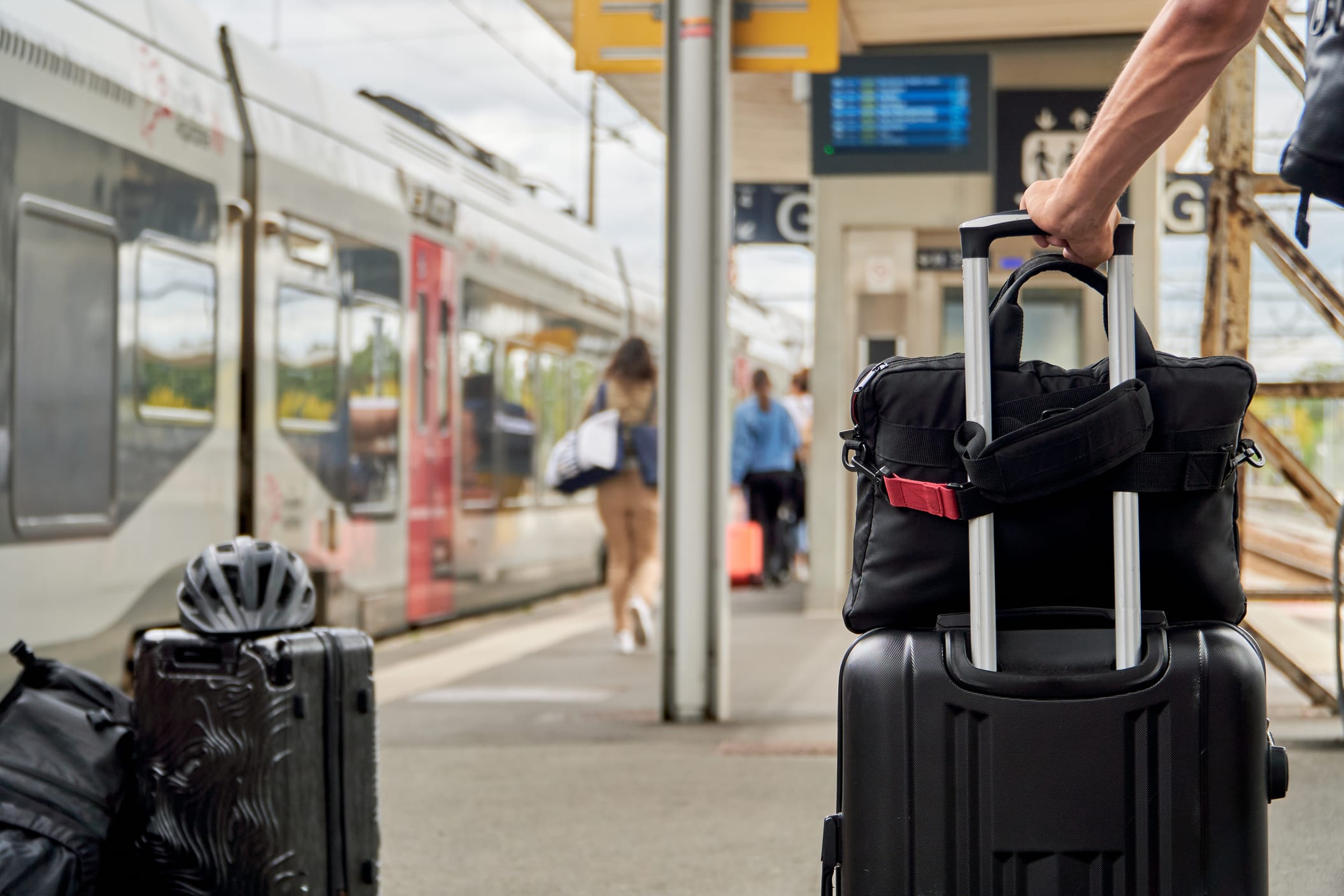
Arrange the case so items for each stage are easy to reach. Packing cubes can separate city clothes, warm layers and laundry without requiring a full unpack at every hotel.
Keep the next day's outfit and toiletries near the top. At stations, you may need to move quickly from security to the platform, so loose bags become a burden. One secure day bag is easier than several small pieces.
Carry snacks, water, tissues, medicine and a charging cable during long train journeys. Food is available on many services and at stations, but familiar options are useful when you have allergies or a late arrival.
What to keep in your day bag
Your day bag should hold only what you use regularly: passport, phone, payment, water, medicine, tissues, weather layer and sun protection. Add a small camera only if you will carry it comfortably.
Keep the bag zipped in crowded transport. Place liquids in a separate pouch so a leak does not damage documents or electronics.
At attractions with security rules, a compact bag is faster to screen and easier to store. Leave unnecessary valuables in the hotel safe according to its instructions.
Final day checklist
- Passport and entry documents.
- Airline and hotel confirmations.
- Travel insurance.
- Medicine and prescription letter.
- Payment methods and cash.
- Phone, chargers and compliant power bank.
- Weather appropriate layers.
- Comfortable shoes.
- Chinese hotel addresses.
- Emergency contacts.
Check the SoulTrips travel tips for wider preparation advice.
Packing for unexpected changes
Leave a little room in the case for souvenirs and changing conditions. A soft foldable bag can hold light purchases on the return journey, subject to airline limits. Avoid filling every pocket before departure.
If weather shifts, combine existing layers before buying a new wardrobe. Hotels and major cities can help with simple replacements, but specialist sizes or medical products may be harder to find. Review the case once more after checking the final forecast. Remove items that serve no clear purpose, then confirm that the essentials remain in cabin baggage. A lighter case makes every airport, station and hotel change easier.
Frequently asked questions
-
What should I wear in China?
Neat casual clothing suits most places. Add weather layers and dress modestly at religious or traditional sites.
-
Do I need a universal adaptor?
Yes, a universal adaptor is practical because socket shapes vary. Check that your devices support 220 volts.
-
Can I bring a power bank to China?
Yes, subject to airline and Chinese aviation rules. Carry it in cabin baggage and confirm current capacity and marking requirements.
-
Should I bring cash?
Carry a modest amount as backup. Mobile payment is common, but apps or cards can occasionally fail.
-
Do I need hiking boots for Zhangjiajie?
Most standard routes only require supportive shoes with grip. Hiking boots are useful for more demanding trails.
-
What should I pack for Yunnan?
Pack layers, sun protection, waterproof outerwear and a warmer garment for high destinations such as Shangri La.
-
Is winter in Beijing very cold?
Yes. Bring an insulated coat, thermal layers, gloves and a hat. Wind increases the cold at exposed sites.
-
Can I buy toiletries in China?
Yes, but familiar specialist brands may be harder to find. Bring essential personal products.
-
How much luggage should I take?
One manageable case and a day bag suit most journeys. Check domestic flight and train restrictions before final packing.
-
Do I need printed documents?
Digital copies are useful, but a few printed confirmations protect you if the phone or connection fails.
Complete your China packing list
The best China packing list is light, layered and specific to your route. Prepare for temperature changes, protect essential documents and bring technology that meets current transport rules.
Use Plan My Trip or contact SoulTrips if you need destination specific advice. Good packing lets you focus on the experience instead of the suitcase.