By Soul Trips · Updated on 25 September, 2026
Getting Around China: High Speed Rail, Flights and Private Touring
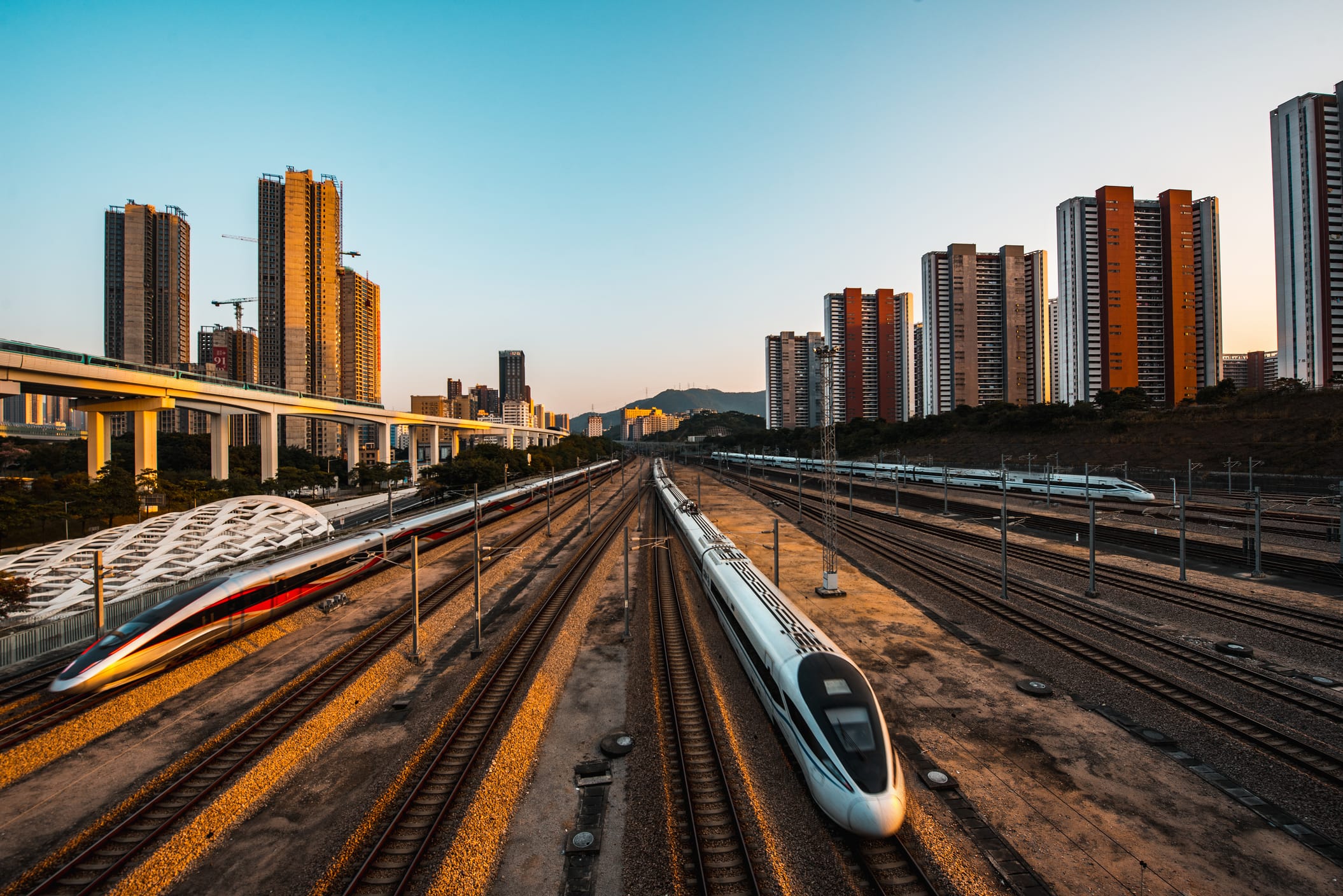
Getting around China is straightforward when each journey uses the right form of transport. High speed rail is often best between major eastern cities. Domestic flights save time over very long distances. Private vehicles make regional touring and airport transfers easier, while metro systems are useful inside large cities.
The size of China means that one method will not suit an entire holiday. A Beijing, Xi'an and Shanghai itinerary can rely heavily on rail. A journey through Yunnan or Xinjiang needs a mix of trains, flights and road transfers. Start with your route, then choose transport that protects your time and energy.
The SoulTrips China destination guide and current China journeys show how different modes can fit together.
Getting around China at a glance
Use high speed rail for city pairs with frequent direct services. Choose flights for long crossings or destinations beyond the fast rail network. Add private touring for scenic areas, cultural interpretation and door to door comfort.
- High speed rail: efficient, comfortable and city centre based.
- Conventional rail: useful for overnight journeys and remote routes.
- Domestic flights: best for very long distances.
- Private vehicles: best for regional touring, families and flexible sightseeing.
- Metro: fast and inexpensive inside major cities.
- Taxi and ride services: useful for shorter urban transfers.
Allow more time than the timetable alone. Stations are large, security is routine and tickets are linked to identity documents.
China high speed rail
China's high speed rail network connects many major destinations with modern stations and frequent services. It is especially useful between Beijing, Xi'an, Shanghai, Hangzhou, Suzhou, Guangzhou, Shenzhen, Chengdu and other large cities.
Rail can be faster than flying for medium distance routes once airport travel and check in are included. You arrive closer to the city, keep your luggage with you and can work or relax during the journey.
The official China Railway 12306 service provides current ticket information. Foreign travellers can use valid passports for real name bookings. Enter names and passport numbers exactly as printed.
Train categories and seat classes
Train letters indicate the service category. G trains are generally the fastest high speed services. D trains are also modern and fast, while other letters can represent conventional or overnight trains. The useful choice depends on the route and departure time, not the letter alone.
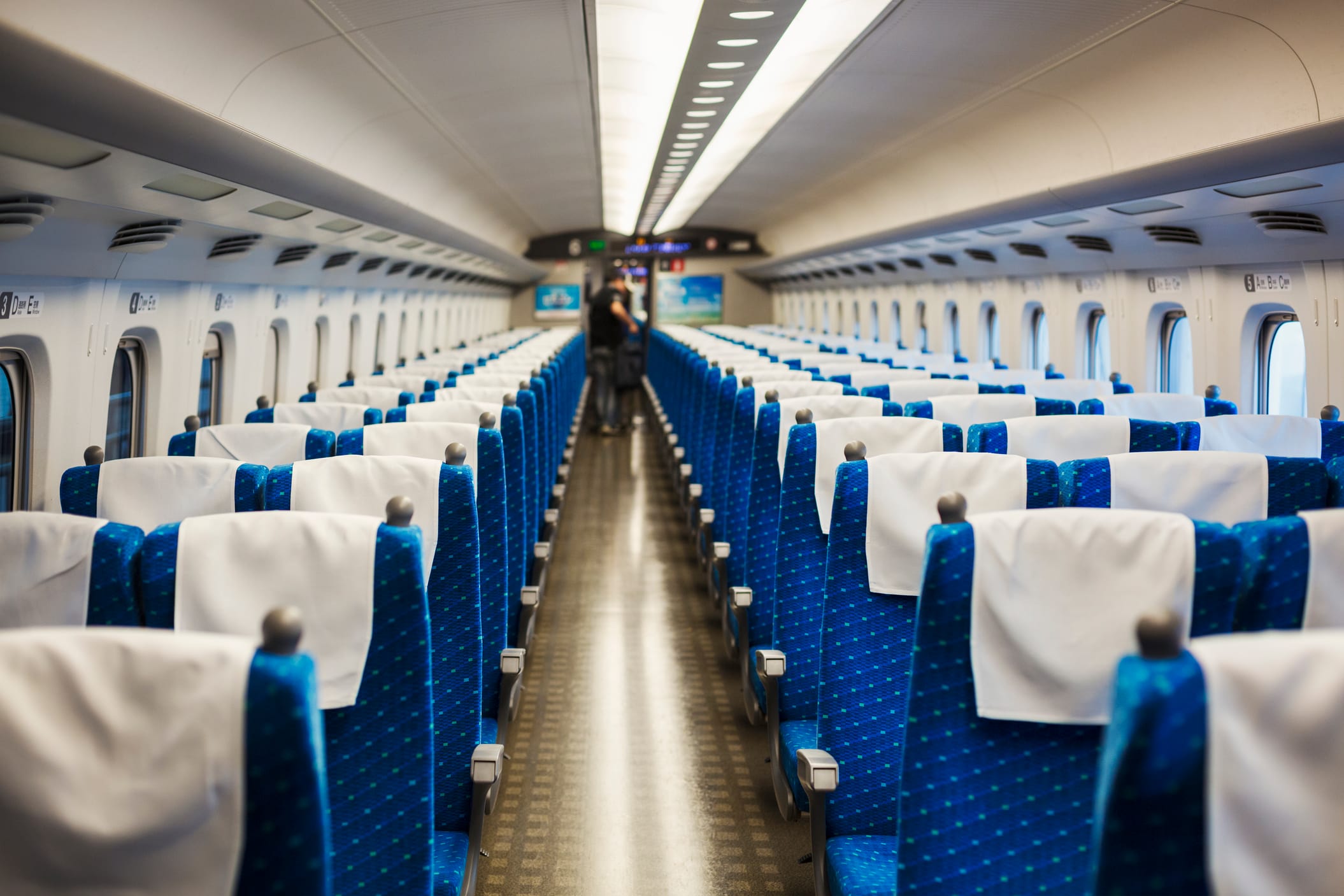
Second class is comfortable for most travellers, with airline style seating. First class provides wider seats and more space. Business class offers a premium cabin on selected services and costs substantially more. Sleeper classes vary on overnight trains.
Choose the class that suits the length and your mobility. A traveller with knee discomfort may value the extra room on a long journey. Confirm the actual train because layouts vary.
Booking China train tickets
Tickets are normally released within a limited booking window rather than many months in advance. The window can change, and public holidays create immediate demand. Your operator may collect passport details early and issue the ticket when sales open.
Use the same passport for booking and travel. If you renew it, tell the booking provider. A mismatch can delay station entry or require a ticket change.
Popular routes around National Day, Spring Festival and school holidays sell quickly. Read how far in advance to book an international trip and keep alternative departures in mind.
Using a Chinese railway station
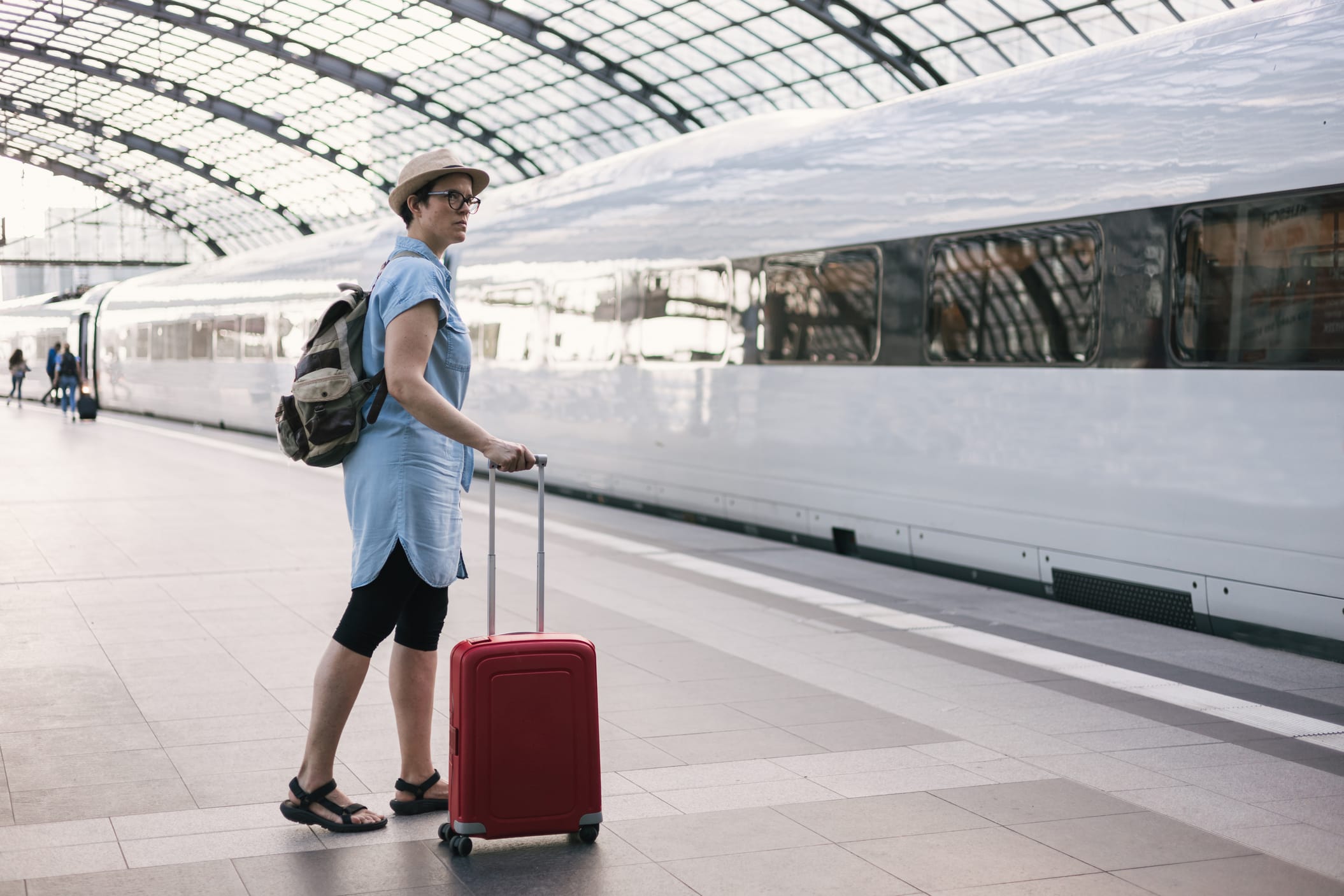
Arrive early, especially at a station you have not used before. Large cities have several stations, and the names are not interchangeable. Beijing South, Beijing West and Beijing North serve different routes. Shanghai Hongqiao and Shanghai Station are also separate.
The usual process includes an identity check, security screening, locating the waiting area and entering the platform when boarding opens. Keep your passport accessible. Station signs often include English, but platforms can change.
Pack so you can move your own case. Luggage storage is available above seats or at carriage ends, but space is not unlimited. Keep valuables and medicine with you.
Luggage on trains
Rail travel is easier with one manageable case and a small day bag. Official size and weight rules may be enforced, and unusually large equipment can require separate arrangements.
Boarding can be brief. Stand ready when your train is called, follow the carriage number and avoid blocking the aisle while reorganising. Label your luggage and use a distinctive strap.
Porter services are not guaranteed. Private assistance can help between the hotel and station, but you should still be able to handle the case for short distances.
Overnight trains
Overnight trains can save a hotel night and form part of the experience. They are useful on long routes where high speed rail does not remove enough daytime travel.
Soft sleepers usually offer more privacy and comfort than hard sleepers, though layouts vary. Bring earplugs, an eye mask, tissues and simple overnight items in a small bag. Keep passports and valuables secure.
Luxury tourist trains are a separate category. The Chengdu to Xinjiang luxury rail journey combines private suites, dining and guided excursions rather than functioning as ordinary transport.
Domestic flights in China
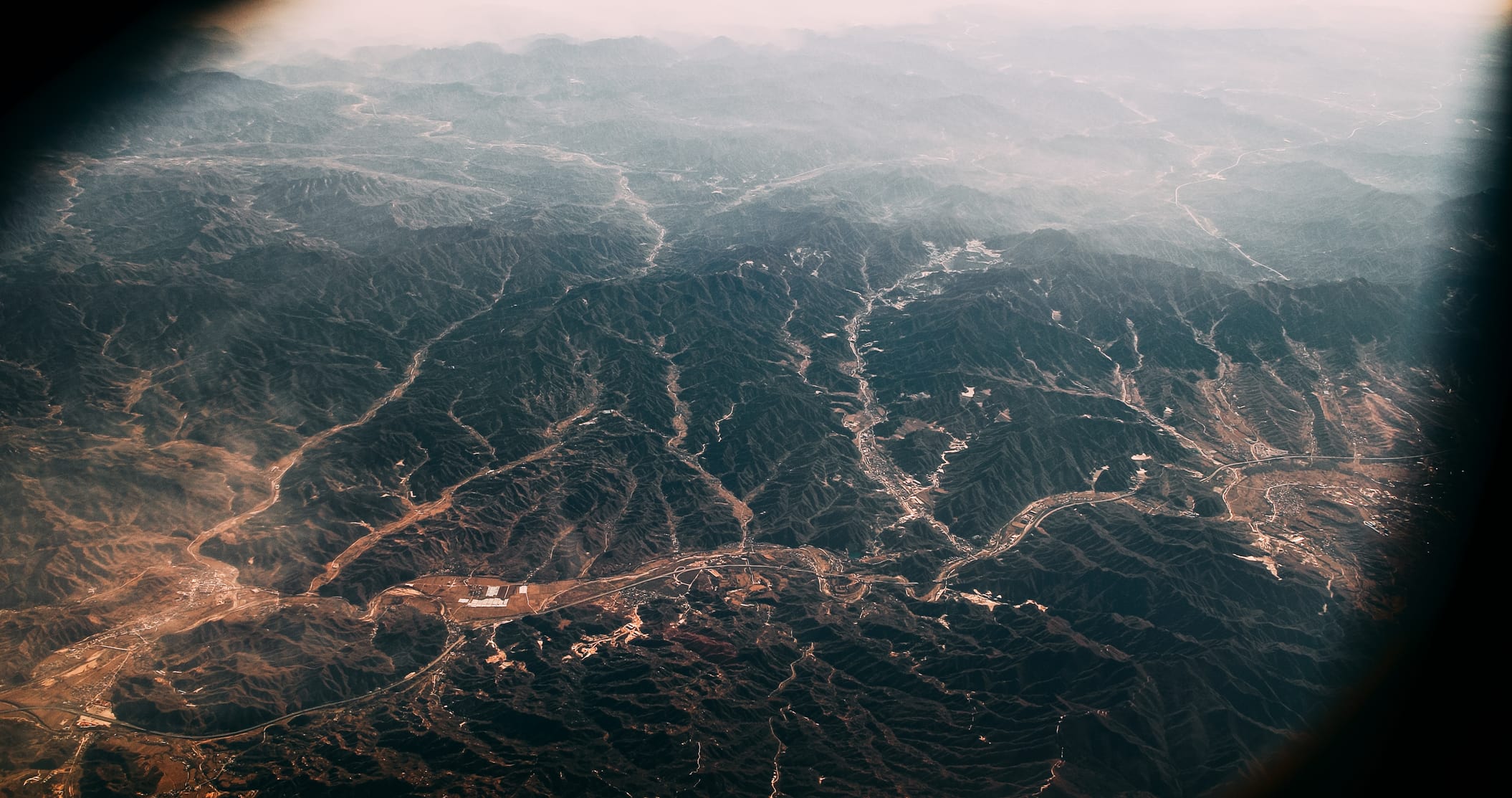
Domestic flights are useful for Yunnan, Xinjiang and other regions separated by vast distances. A flight can replace a full day or more of rail, but city travel, check in and possible delays must be included.
Large cities may have multiple airports. Confirm the exact airport and terminal. Changing airports during a connection is rarely sensible without a long buffer.
Book all sectors on one ticket where possible. A protected itinerary gives the airline more responsibility after a delay. Separate tickets can work, but an overnight connection is safer.
Choosing rail or air
Rail is usually preferable when the station locations are convenient and the journey fits comfortably into part of a day. Flights become useful as distances increase or a direct rail journey requires changes.
Compare:
- Door to door time.
- Ticket flexibility.
- Luggage limits.
- Station or airport location.
- Frequency of service.
- Risk of weather disruption.
- Physical effort during transfers.
The fastest scheduled option is not always the easiest. A direct train can be more relaxing than a short flight with distant airports.
Private touring in China
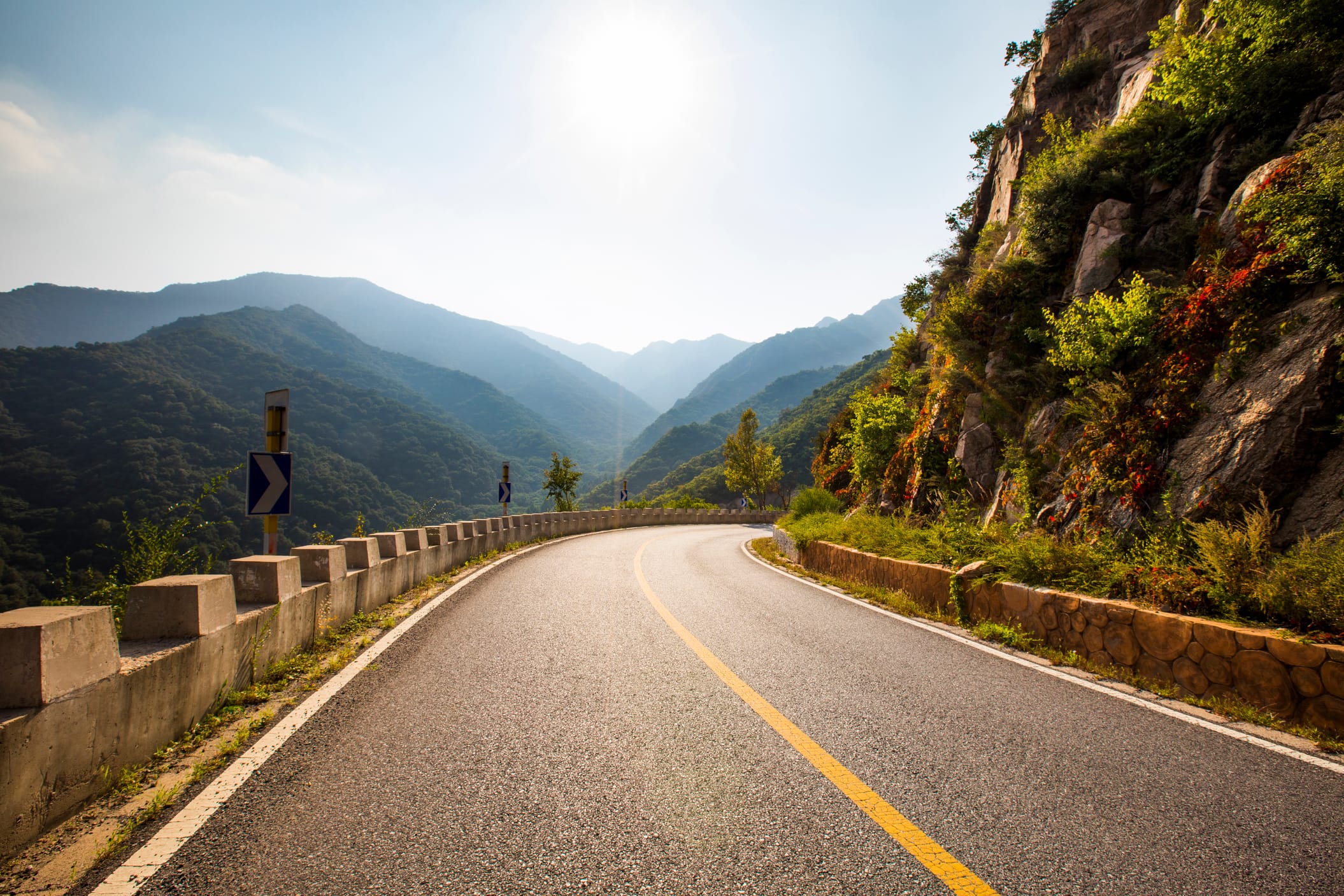
Private touring combines a dedicated vehicle and local guide for the agreed programme. It is especially valuable in Beijing, Yunnan, Zhangjiajie, Chaoshan and Xinjiang, where attractions may sit beyond the rail network.
A private guide manages timed reservations, explains context and adjusts the day for weather or energy. A dedicated driver reduces repeated taxi searches and keeps luggage secure during regional transfers.
Private touring is not the same as having one car drive across China. Long distances are still better by rail or air. The vehicle supports each region and meets you at the next station or airport.
Benefits for families and older travellers
Families gain flexibility for meals, bathroom stops and tired children. Older travellers benefit from door to door transfers and a pace built around walking ability.
Tell the planner about knee pain, step limits, wheelchair needs and luggage. Historic sites can involve long approaches even when a vehicle reaches the entrance. A guide can select cable cars, lifts and gentler routes where available.
Private touring also helps with language. Your guide can speak with station staff, hotels and restaurants, although you should still keep key addresses in Chinese.
Metro systems
Beijing, Shanghai, Guangzhou, Chengdu and many other cities have extensive metro networks. They are fast, clean and useful during road congestion. Maps and station announcements commonly include English in major centres.
Security screening may operate at entrances. Fares and payment methods vary by city. Contactless bank cards from overseas are not accepted everywhere, so confirm the current local option.
Avoid rush hour with large luggage. Stations may have long passages and not every exit is equally accessible. The correct exit number can save a long walk.
Taxis and ride services
Official taxis are useful for short urban journeys. Use the taxi queue at airports and stations rather than accepting unsolicited offers. Keep the destination name and address in Chinese.
Ride services are widely used, often through local apps or integrated payment platforms. Foreign card and phone number support has improved, but functions can change. Set up accounts before travel and keep a backup.
Road traffic can be heavy. A ten kilometre journey may take much longer at peak times, so do not schedule a taxi transfer with no margin before a train.
Payments for transport
Mobile payment is dominant in many places. International travellers can connect eligible cards to supported platforms, subject to current terms. Cash remains legal and useful as a backup.
Carry more than one payment method. Inform your bank, enable overseas transactions and understand its fees. Save small amounts of cash for simple purchases or occasions when an app fails.
The government Visit China hub is a useful source for current visitor services and payment guidance.
Language and navigation
Major transport hubs use Chinese and English signs, but spoken English varies. Save each hotel and destination in Chinese characters. Screenshots remain available when mobile data is weak.
Offline maps can be useful, but some international map services do not offer the same detail in China. Ask your guide or hotel to mark the exact station entrance and pickup point.
Give yourself time to orientate. A large station can contain several levels, security zones and distant boarding gates.
Getting around Beijing
Beijing's metro covers much of the city, but historic attractions can still involve long walks from the nearest station. Private transport is helpful for the Great Wall and for travellers who need a slower pace.
Traffic is significant, so group nearby sites. The Forbidden City and central areas are best planned with timed tickets and a guide rather than repeated journeys across the city.
For the Great Wall, confirm the chosen section and walking demands. Cable cars reduce effort at some sections but do not remove every step.
Getting around Shanghai
Shanghai's metro is extensive and convenient. Walking works well within the Bund and former concession neighbourhoods. Taxis fill the gaps, especially in rain or late in the evening.
High speed rail makes Suzhou and Hangzhou accessible. Most fast services use Hongqiao Railway Station, which is connected to the airport and metro but far from Pudong Airport.
Do not treat an arrival at Pudong and a train from Hongqiao as a simple terminal change. Leave several hours or stay overnight.
Getting around Yunnan

Yunnan combines rail, flights and road travel. Fast trains connect several main cities, while private vehicles reach villages, mountain viewpoints and cultural sites.
The Grand Yunnan Journey uses a gradual route through Kunming, Dali, Lijiang and Shangri La. Travel time should support altitude adjustment rather than force a rapid climb.
Mountain roads and weather can affect schedules. Avoid tight onward flights after a long road transfer.
Getting around Zhangjiajie
Zhangjiajie's scenic areas use park buses, lifts, cable cars and walking trails. A local guide helps choose the best zone for visibility and crowd levels.
The city, national forest park and Tianmen Mountain are not one compact attraction. Hotel location affects daily transfers. Confirm which entrance suits the programme.
Steps remain part of many routes. Travellers with limited mobility should discuss every day in detail before booking.
Getting around Xinjiang

Xinjiang requires realistic planning. Distances between Urumqi, Kashgar, Turpan, Kanas and other places are substantial. Domestic flights, trains and long road journeys all have a role.
Security procedures and regional access requirements can add time. Carry your passport and follow local instructions. An organised route makes transport, guiding and accommodation more coherent.
The luxury rail programme reduces repeated packing while connecting a large range of landscapes. Excursions still include road transfers and walking.
Accessibility considerations
Modern airports and major stations usually offer lifts and assistance, but distances can be long. Request airline or railway help in advance when available. Bring translated details of your needs.
Older streets, mountain parks and heritage sites may have steps, uneven surfaces and limited ramps. A private programme can substitute viewpoints and reduce walking, but not every barrier can be removed.
Choose hotels near the day's activities and include rest. Comfort is created by the whole itinerary, not only the vehicle class.
Common transport mistakes
- Booking the wrong station with a similar city name.
- Using a renewed passport after tickets were issued with the old number.
- Planning a train immediately after an international flight.
- Carrying more luggage than you can move quickly.
- Assuming every metro exit has a lift.
- Booking separate flights with a short connection.
- Ignoring public holiday demand.
- Trying to cover too many regions in one trip.
Transport planning for a multi region route
Place the longest transfer between slower stays rather than scheduling difficult journeys on consecutive days. A high speed train followed by a relaxed evening is manageable, while a station transfer, flight and mountain road on the same day creates unnecessary risk.
Keep a transport summary with train numbers, stations, airports, terminals and pickup contacts written in both English and Chinese. Check every city name carefully because several stations can serve one metropolitan area. If a ticket changes, tell the guide and hotel immediately. A coherent route should use movement to reveal the country, not leave you exhausted before each destination.
Frequently asked questions
-
Is high speed rail easy for foreign travellers?
Yes. Passport based booking, clear station signs and modern trains make it practical. Arrive early and use the exact passport entered on the ticket.
-
Is first class worth it on Chinese trains?
First class gives more space and can be worthwhile on a longer journey. Second class remains comfortable for most travellers.
-
Should I fly or take the train from Beijing to Shanghai?
High speed rail is often the easier door to door option. Flights can suit a particular schedule, but airport time reduces the advantage.
-
Can I use cash for transport?
Cash remains useful, but mobile payment is widespread. Carry a backup payment method and confirm current ticket options in each city.
-
Are taxis safe in China?
Official taxis are generally practical. Use designated queues, insist on the meter where applicable and keep the destination in Chinese.
-
Do I need a private guide?
It is not compulsory for ordinary travel, but a guide greatly improves logistics and interpretation. It is especially useful on a short multi-city journey.
-
Can travellers with limited mobility use high speed rail?
Yes, but stations are large and boarding can be busy. Request assistance in advance and minimise luggage.
-
Where can I buy train tickets in China?
You can purchase from the official China Railway ticketing platform. Foreign travellers can register using a valid passport, and the English site supports ticket purchases, changes and refunds. Otherwise, your SoulTrips travel specialist will be able to assist you accordingly.
-
How early should I reach a railway station?
Allow at least an hour in an unfamiliar major station, and more during peak periods. Your operator may recommend a longer margin.
-
Is transport busy during Chinese holidays?
Yes. National Day and the Spring Festival travel period create exceptional demand. Book as soon as sales open and avoid these dates if possible.
Plan getting around China as one connected journey
Getting around China becomes simple when rail, flights and private touring each do the job they handle best. Use fast trains for strong city links, flights for vast distances and private vehicles for regional depth and comfort.
Share your route and mobility needs through Plan My Trip, or contact SoulTrips. Thoughtful transport planning protects the time you came to enjoy.