By Soul Trips · Updated on 09 October, 2026
Hunza Valley in Autumn: Colours, Weather and Best Photography Locations
The most reliable period for Hunza Valley autumn colour is usually October, with timing moving by elevation and annual weather. Split the stay between Karimabad and upper Hunza so you can photograph orchards, forts, villages and peaks without repeating long drives.
Current travel advice before you book
Singapore’s Ministry of Foreign Affairs currently advises Singaporeans to defer all non essential travel to Pakistan because of the volatile security situation between Pakistan and India. Read the current Singapore MFA travel advisory for Pakistan before paying for flights or land arrangements. The same advisory identifies a high terrorist threat and greater conflict risk in Balochistan, Khyber Pakhtunkhwa, the former Federally Administered Tribal Areas and Azad Kashmir.
Treat this as a decision point, not a footnote. If the advisory remains in force, postpone a leisure trip. If it changes and you choose to travel, use an established local operator, avoid demonstrations and border areas, monitor local news and register the trip with MFA eRegister. Confirm that your insurance remains valid for every province and activity on your route.
Security conditions can change quickly and can affect roads, flights and access with little notice. Keep the route within well established visitor areas, accept official closures immediately and avoid publishing live location details. A responsible itinerary values safe timing and local guidance above completing every planned stop.
When autumn colour appears
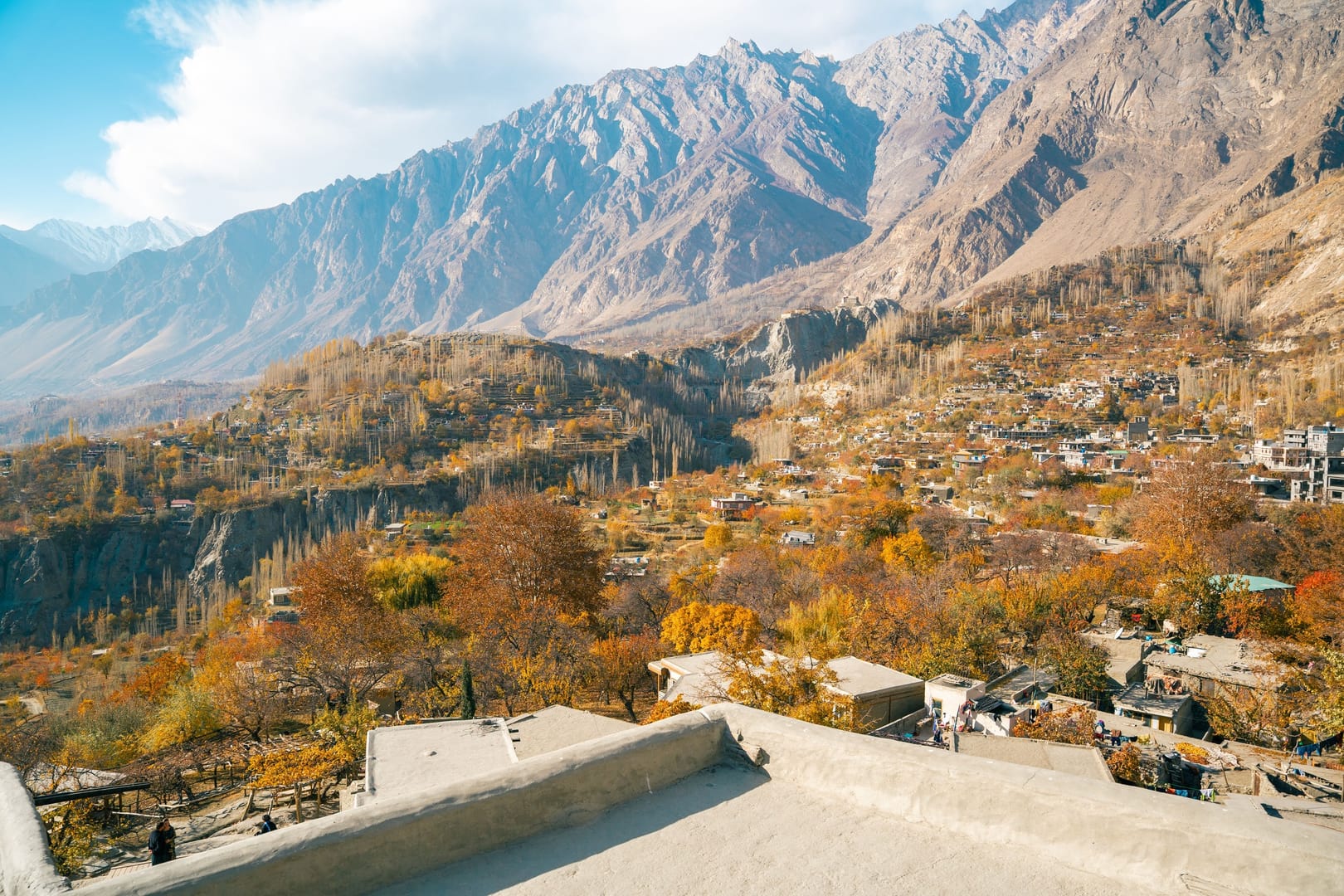
Apricot, poplar and willow trees turn at different times, producing a layered season rather than one peak day. Higher and colder locations often change first.
Book a useful date window rather than chasing a precise prediction. Conditions can shift after wind, rain or an early cold spell.
Karimabad and Baltit Fort
Use Karimabad for layered village roofs, orchard colour and the mountain backdrop. Morning and late afternoon reveal texture without harsh contrast.
Work slowly, respect private land and avoid blocking roads with tripods or vehicles.
Altit and the Royal Garden
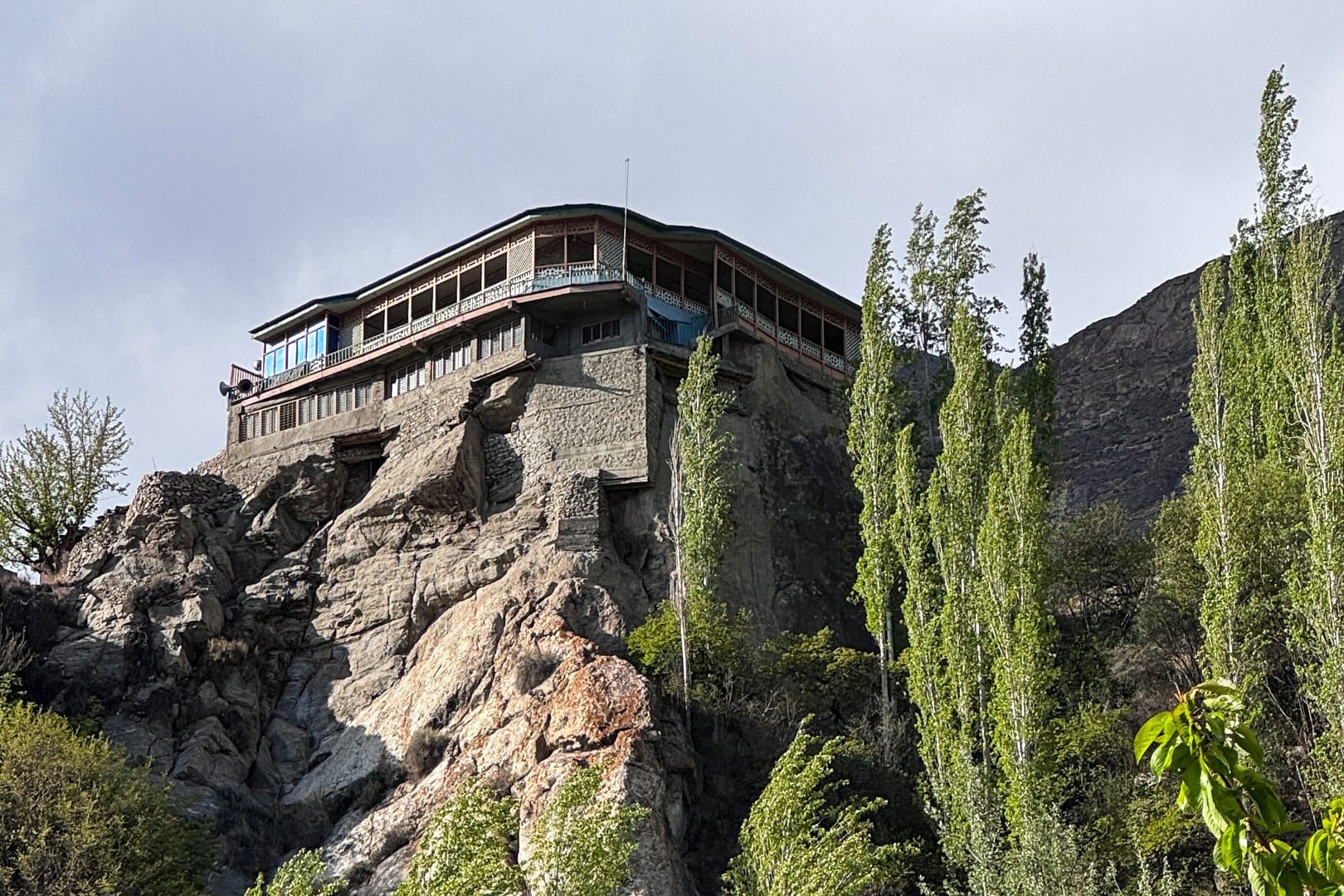
Altit combines an old settlement, fort architecture and mature trees. Ask before photographing residents and private courtyards.
Work slowly, respect private land and avoid blocking roads with tripods or vehicles.
Duikar
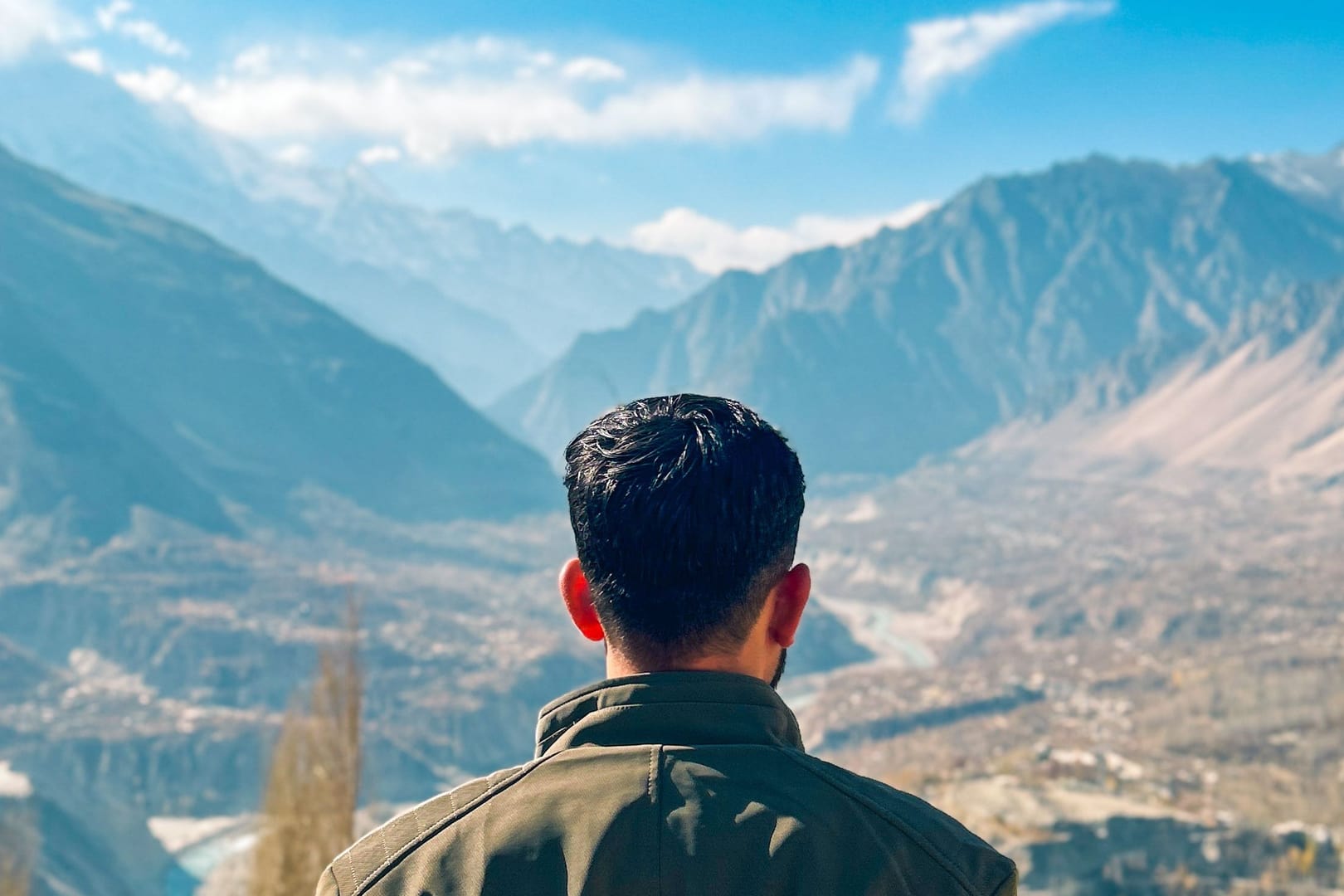
Duikar provides a broad elevated view towards Hunza and Nagar. Sunrise is popular, but cold, wind and road access require preparation.
Work slowly, respect private land and avoid blocking roads with tripods or vehicles.
Attabad Lake
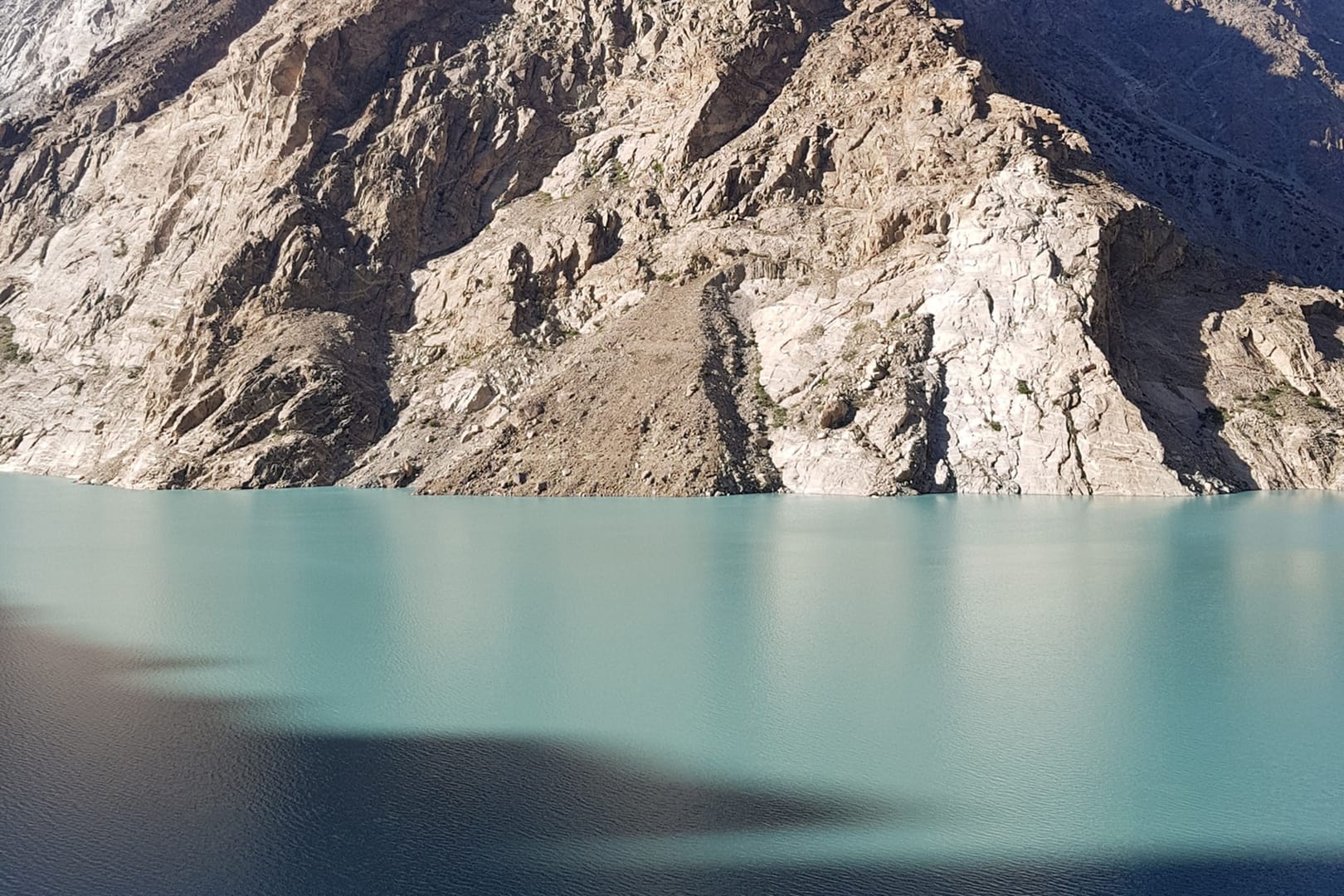
The lake creates strong colour contrast, though midday light can be hard. Use it as part of an upper Hunza road day rather than the only photographic objective.
Work slowly, respect private land and avoid blocking roads with tripods or vehicles.
Gulmit and Passu
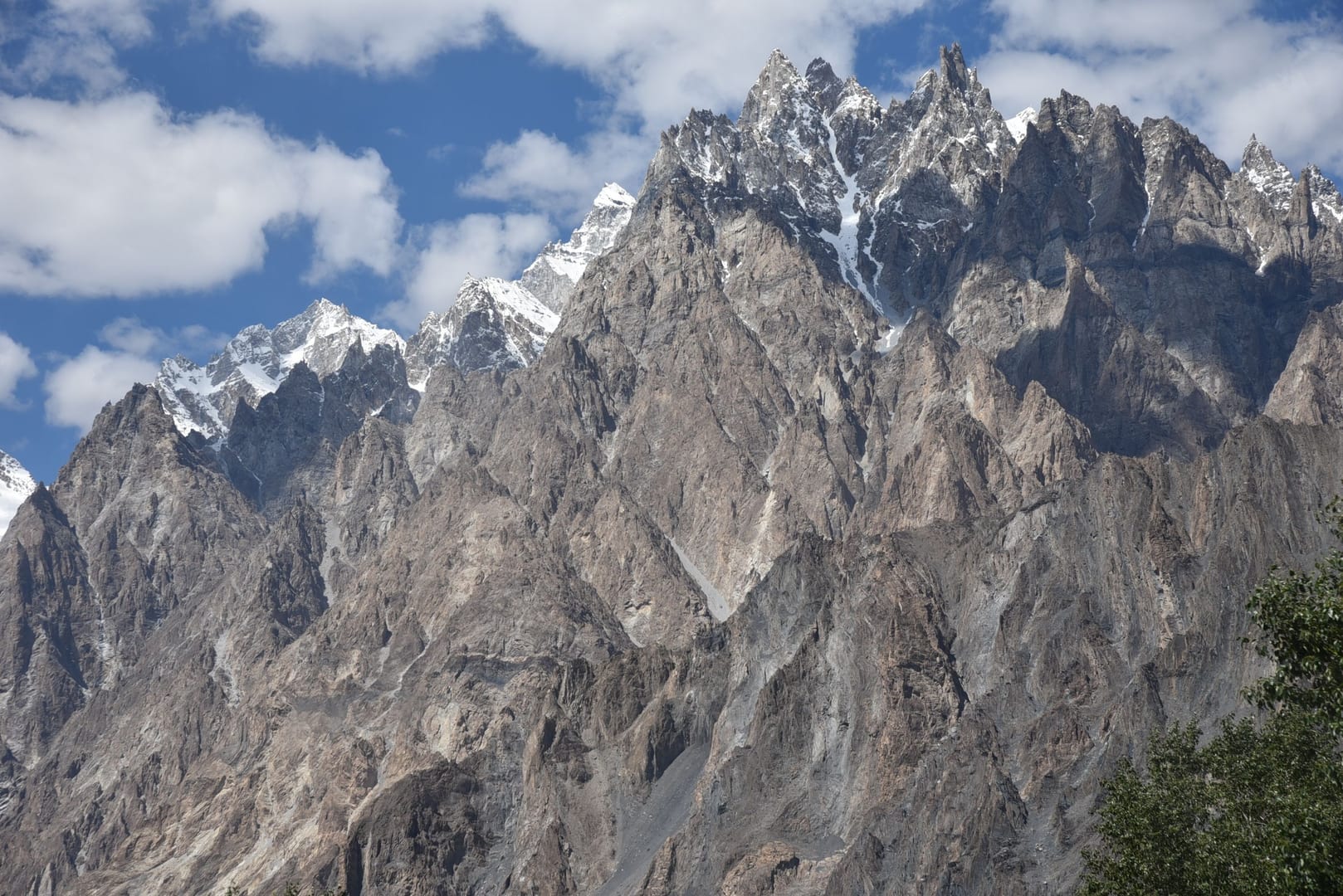
Gulmit offers village detail, fields and cultural context. Passu adds the distinctive cones, glacier shaped terrain and powerful road perspectives.
Work slowly, respect private land and avoid blocking roads with tripods or vehicles.
Nagar and Rakaposhi viewpoints
Cross valley views add a different angle on orchards and peaks. Road conditions and local access should decide the exact stop.
Work slowly, respect private land and avoid blocking roads with tripods or vehicles.
A five night photography plan
Spend two nights in Karimabad, one night close to an elevated sunrise location and two nights in Gulmit or Passu. This reduces repeated driving and gives a second chance after cloud.
Keep one unscheduled half day for weather, rest or a village invitation. The strongest photographs often come from time rather than a longer checklist.
How the seasons shape your route
The best months depend on altitude. The Pakistan Meteorological Department climate service shows the contrast between hot plains, monsoon influenced foothills and cold northern mountains. Spring and autumn offer the broadest route choice, but each region has a different useful window.
March and April suit Lahore, Islamabad and lower northern valleys before summer heat builds. May and June can work in Hunza and Skardu, although the plains become very hot. July to September brings the main monsoon risk to much of the country, with heavy rain, flooding and landslides able to disrupt roads. Gilgit Baltistan is drier than the plains, yet access roads still cross vulnerable terrain.
October is an excellent northern month for crisp air and autumn colour, especially in Hunza, but nights become cold and daylight shortens. November to February favours Lahore, Karachi and archaeological sites on the plains. High passes and remote valleys can become inaccessible through snow, ice or seasonal closure.
Use the current monthly climate summaries for recent conditions and the official monsoon reports during the wet season. Pack for the coldest overnight stop, not the temperature at your international gateway.
Getting around Pakistan
Use domestic flights to protect time on long northbound sectors, a private vehicle with an experienced driver for city and mountain touring, and trains for selected journeys between major cities. Public transport is useful for confident independent travellers, but it does not remove the need for current security and road checks.
Flights to Gilgit and Skardu are valuable but weather sensitive. Keep a spare day before an international departure and never place a separate ticket connection immediately after a northern flight. A cancellation can turn into a long road transfer or an overnight delay.
For mountain roads, consult the National Highways and Motorway Police travel service and follow local administration instructions. NATCO provides scheduled passenger services to Gilgit Baltistan, described on its official services page, but a private vehicle adds comfort, luggage space and flexibility for photography stops.
Pakistan Railways connects major cities and publishes live information through its official train timing service. Rail can add character to a Lahore, Islamabad or Karachi itinerary, but book the appropriate class, protect valuables and allow for timetable changes.
Where to stay
In Islamabad, choose sectors F6 or F7 for restaurants and an easy base, or a larger hotel near the diplomatic and government district for controlled access and full services. In Lahore, Gulberg works well for modern dining and road access, while a carefully chosen property near the Walled City suits travellers prioritising heritage.
Karimabad is the classic Hunza base for Baltit Fort and valley views. Gulmit and Passu move you closer to upper Hunza, quiet villages and dramatic peaks. In Skardu, a town hotel is convenient for supplies and flights, while Shigar or Upper Kachura creates a more atmospheric stay at the cost of longer transfers.
Pakistan has distinctive heritage accommodation. Serena Hotels in Pakistan operates city and northern properties, and Serena Shigar Fort occupies a restored palace complex. Use these as examples of place led stays, then confirm the exact room, heating, access and included meals before booking.
In remote areas, reliable hot water, heating, power and internet are not guaranteed. Ask precise questions. A scenic room is less useful than a warm, accessible room after a long mountain drive.
Culture and respectful behaviour
Pakistan is culturally diverse and predominantly Muslim. Dress modestly, especially at mosques, shrines, villages and family homes. Loose clothing that covers shoulders and knees is practical in both cities and rural areas. Women should carry a light scarf for religious sites, while men should avoid shorts at formal or sacred places.
Greet people politely and use the right hand to give, receive and eat. Remove shoes before entering a mosque or a home when your host does so. Ask before photographing people, worship, military facilities, police posts, bridges or sensitive infrastructure. A friendly conversation before a portrait matters more than the photograph.
Ramadan changes meal times, business hours and daily rhythm. Avoid eating, drinking or smoking conspicuously in public during fasting hours. Alcohol is restricted and importing alcohol or pork is illegal. Public discussion of religion or politics can be sensitive, so follow your guide’s lead and avoid confrontational debate.
Hospitality can be generous and persistent. Accept tea when you can, show appreciation and decline gently if you have had enough. Do not confuse warmth with permission to cross household or photography boundaries.
Health, altitude and insurance
Arrange a travel health consultation at least a month before departure. The current CDC Pakistan traveller guidance highlights routine vaccines, polio, typhoid, mosquito borne disease, safe food and water, and malaria risk below 2,500 metres. Your clinician should match advice to your exact route and medical history.
Northern itineraries reach serious altitude. Khunjerab Pass is listed at 4,693 metres on the official national tourism portal. Travel slowly, drink normally, avoid alcohol during ascent and report headache, nausea, unusual fatigue or poor coordination. The SoulTrips guide to preparing for high altitude travel explains the practical warning signs.
Buy insurance that covers the current travel advisory, every province visited, road travel at altitude, trekking if included and medical evacuation. Many policies exclude travel against government advice. Obtain written confirmation rather than assuming the premium level covers the route.
Drink sealed or properly treated water, choose freshly cooked food and carry regular medicines in original packaging. Heat is a serious concern on the plains, while cold and ultraviolet exposure matter in the mountains. A route that crosses both needs two different health strategies.
Responsible travel
Carry waste out of mountain areas, refill water where safe filtration exists and avoid single use plastic when practical. Stay on established paths and never remove stones, plants or archaeological material.
Choose local guides, drivers and properties that employ and train people from the region. Buy crafts directly from makers when possible and ask before photographing workshops, homes or children.
Water, fuel and waste systems are under pressure in popular valleys. Short showers, careful heating use and a realistic standard of comfort reduce your impact. Respect closures and conservation rules even when another visitor ignores them.
Build a route that works in practice
Begin with the international gateway and the longest vulnerable transfer. If the route includes Hunza or Skardu, place an Islamabad night before the first northern sector and another before the flight home. This protects you from an international arrival delay at the start and mountain disruption at the end.
Count nights, not destination names. Three nights in Lahore provide two useful touring days. Four nights in Hunza allow a central valley day, an upper Hunza day and one flexible period. A single night often produces a late arrival, a rushed morning and another transfer before you have understood the place.
Avoid switching between air and road simply to collect more stops. The road from Islamabad towards Gilgit is long and conditions can change. If you fly north, let the saved time improve the valley stay. If you drive, divide the journey sensibly and treat the landscapes along the way as part of the experience.
Set an agreed decision time for weather affected days. Your guide should explain the safe alternatives before departure, including the point at which a delayed flight becomes a road plan or a closed road becomes an extra night. This keeps a change from turning into a confused sequence of last minute choices.
Keep the final route geographically simple. Lahore followed by Islamabad and one northern region moves in a clear direction. Adding Karachi, Peshawar, Hunza and Skardu to the same short trip creates repeated airport transfers, security decisions and packing days. A focused journey gives you more conversation, walking and observation.
What to book first
First review current government travel advice and confirm that insurance can cover the intended route. Next secure the international flight on terms you understand. Then reserve a licensed operator, northern domestic flights and small hotels in the valleys. City hotels and routine meals can follow once the difficult elements are protected.
Ask for a written itinerary that names the overnight town, broad driving time and included services for every day. It should separate domestic flights from road sectors and state the alternative when weather prevents a flight. Vague wording such as northern sightseeing is not enough for a journey shaped by distance and altitude.
Confirm the vehicle type, luggage space, seat belts and maximum group size. A comfortable city vehicle can be unsuitable on rougher mountain roads. If several photographers travel together, make sure the equipment can be stored securely without blocking exits or forcing passengers to hold bags for hours.
Review accommodation by function. An Islamabad airport night should support an early transfer and late meal. A Karimabad stay should provide sensible access to the town and forts. A remote scenic property should have reliable heating, food and vehicle access. The best choice can change between two nights in the same itinerary.
Request the cancellation and disruption terms in writing. Establish who pays for an extra hotel, replacement vehicle or changed domestic sector. No operator can control mountain weather, but a professional one can explain how decisions, communication and additional costs are handled.
A comfortable daily rhythm
Start cultural visits early when light is softer and major sites are quieter. In Lahore, divide the Walled City and Shalamar Gardens rather than crossing the city repeatedly. In Hunza, group Karimabad and Altit together, then devote a different day to Attabad Lake, Gulmit and Passu.
On road days, stop before you are exhausted. Short pauses for tea, toilets and photographs help concentration, but unscheduled stops beside fast traffic are unsafe. Ask the driver to choose a proper pull off and never stand in the carriageway for a photograph.
Eat a substantial breakfast before a long northern sector and carry water and simple snacks. Lunch can move later when a checkpoint, road repair or rockfall delays progress. Keep medication and a warm layer inside the vehicle rather than in luggage tied out of reach.
Protect an unstructured hour most days. It can become a market walk, a conversation over chai, a rest after altitude or a second attempt at a view after cloud lifts. Constant movement makes a journey feel efficient on paper and thin in memory.
Brief the guide each evening about the next day’s weather, road status, clothing and expected walking. Families can prepare food and layers, older travellers can raise access concerns, and photographers can choose the right equipment. Five clear minutes prevents avoidable discomfort the next morning.
Read conditions rather than the calendar
Seasonal patterns are useful, but recent rain, snow, heat and wind decide the actual day. Ask what has happened during the previous week and how it has affected the road, river, colour or visibility. A historic monthly average cannot confirm that a pass is open.
Carry one warmer layer and one more flexible day than the simple forecast appears to require. Northern weather can change quickly after sunset, while the plains can remain hot well into the evening. Comfort comes from adjustment, not from packing for a single temperature.
If conditions remove the headline experience, choose a useful alternative instead of forcing access. A village walk, fort visit, food experience or slower photography session can be more rewarding than hours spent waiting beside a blocked road.
Continue planning with SoulTrips
Use the SoulTrips Pakistan destination guide with the wider Destination Guides library and practical Travel Tips. Compare SoulTrips destinations, review the Ancient Silk Route and Hunza tour, start a personalised trip plan or contact a travel specialist.
Frequently asked questions
-
How many days do you need in Pakistan?
Allow twelve to fourteen days for Lahore, Islamabad and a northern region. A shorter trip should focus on cities or one valley rather than forcing a complete circuit.
-
Is Pakistan suitable for a first visit to South Asia?
It can be rewarding with experienced local support, but current official travel advice must guide the decision. Postpone leisure travel while your government advises against non essential travel.
-
What is the best airport for northern Pakistan?
Islamabad International Airport is the most practical international gateway for Gilgit, Skardu and the Karakoram Highway. Keep buffer time between international and domestic sectors.
-
Do you need a guide in Pakistan?
A guide is strongly recommended for cultural context, current access information and mountain logistics. Use a registered operator for restricted or remote areas.
-
Can you use cards throughout Pakistan?
Cards work at many larger urban hotels and restaurants, but cash remains essential in smaller towns and mountain valleys. Carry two cards and withdraw before leaving a major city.
-
What should women wear in Pakistan?
Loose clothing that covers shoulders and knees is practical and respectful. Carry a scarf for mosques, shrines and more conservative communities.
-
Is tap water safe to drink?
Use sealed bottled water or water treated by a reliable filtration or purification method. Avoid ice when its source is unclear.
-
How should you plan for mountain road closures?
Keep spare time, monitor official road information and accept local closure decisions. Never pressure a driver to continue through landslide, flood, snow or security restrictions.
-
Do you need travel insurance for Pakistan?
Yes. Confirm in writing that the policy covers the current advisory, every province, planned altitude, road travel and medical evacuation.
-
What should you book first?
First decide if the current advisory permits travel. Then secure international flights, domestic northern flights, a licensed operator and scarce mountain hotels in that order.
Plan your Hunza Valley autumn
A successful Hunza Valley autumn depends on timing, realistic travel days and current official advice. Keep the route focused, use experienced local support and protect the final international departure with a buffer.
Explore the SoulTrips Pakistan destination guide, review the Ancient Silk Route and Hunza tour or start a personalised trip plan when official advice supports travel.