By Soul Trips · Updated on 09 October, 2026
What to Eat in Mongolia: Buuz, Dairy Traditions and Ger Camp Meals
A useful Mongolia food guide begins with the pastoral landscape. Meat, flour and dairy provide the foundation for many traditional meals, while Ulaanbaatar has a much broader contemporary food scene. Western Mongolia adds distinctive Kazakh dishes and hospitality.
Try local food with curiosity, then prepare early for allergies, vegetarian diets and religious requirements. The SoulTrips Mongolia destination page highlights journeys where meals, camps and family visits form part of the cultural experience.
Mongolia food guide at a glance
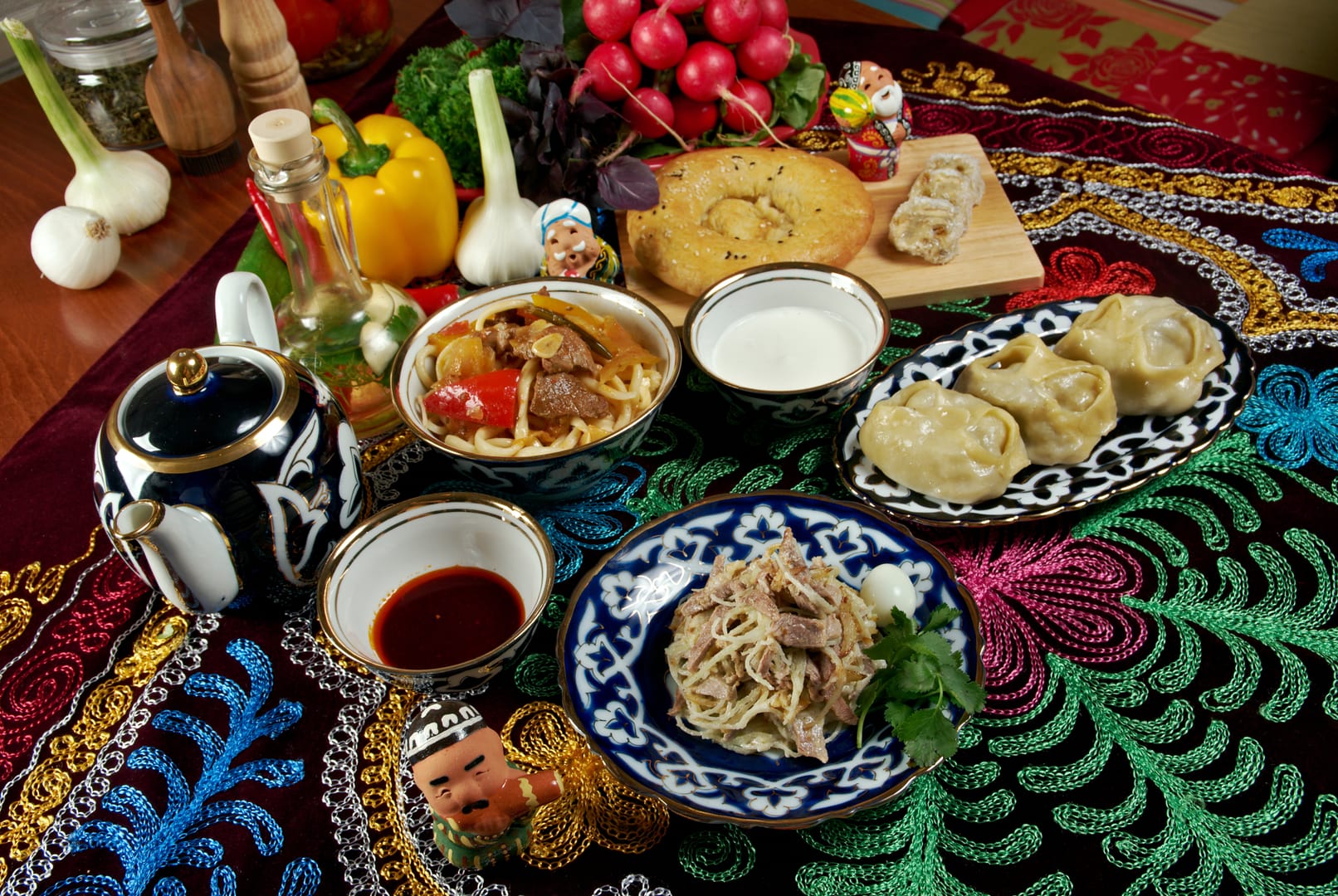
Traditional Mongolian food uses practical ingredients suited to herding life and a severe climate.
- Buuz: steamed dumplings filled most often with meat.
- Khuushuur: fried meat pastry associated with festivals and casual meals.
- Tsuivan: noodles cooked with meat and vegetables.
- Guriltai shul: noodle soup with meat.
- Khorkhog: meat cooked with hot stones in a sealed container.
- Suutei tsai: salted milk tea.
- Airag: fermented mare's milk.
- Aaruul: dried curds in many shapes and textures.
Use the SoulTrips culture and wilderness journey to see how local restaurant meals, camp dining and family visits can fit into one itinerary.
Buuz
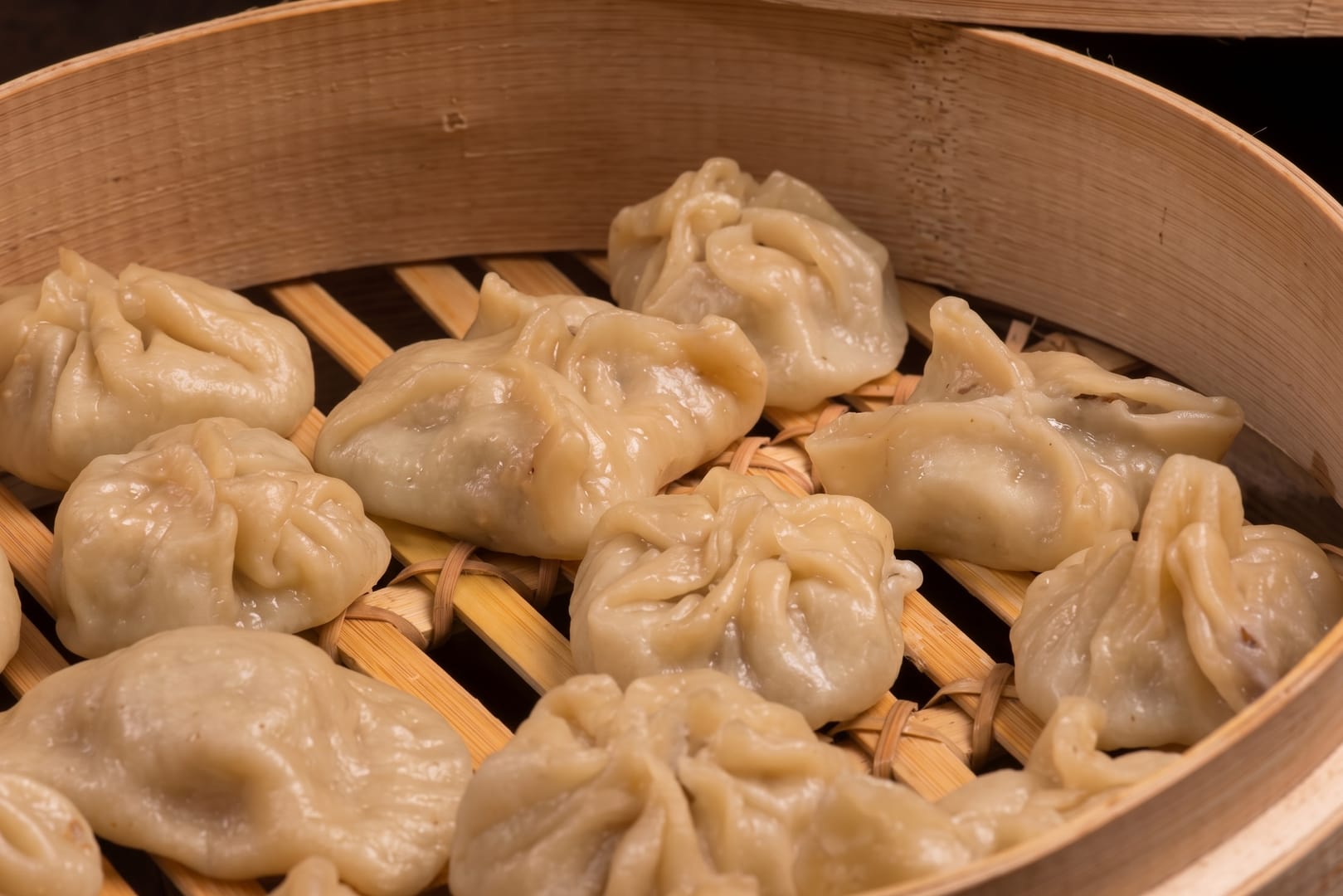
Buuz are steamed dumplings filled with seasoned meat, often mutton or beef. They are eaten throughout the year and hold special importance during Tsagaan Sar.
The filling can release hot broth, so bite carefully. Use your hands or utensils as the setting requires.
Vegetarian versions exist in city restaurants but should not be assumed at a family home or traditional café.
Khuushuur
Khuushuur is a flat fried pastry with a meat filling. It is closely associated with Naadam and works as a satisfying road or festival meal.
Fresh khuushuur can be very hot and oily. Let it cool and balance it with tea, salad or lighter food during a long travel day.
Food handling varies at crowded events. Choose a busy clean stall recommended by your guide and use hand sanitiser before eating.
Tsuivan and noodle dishes
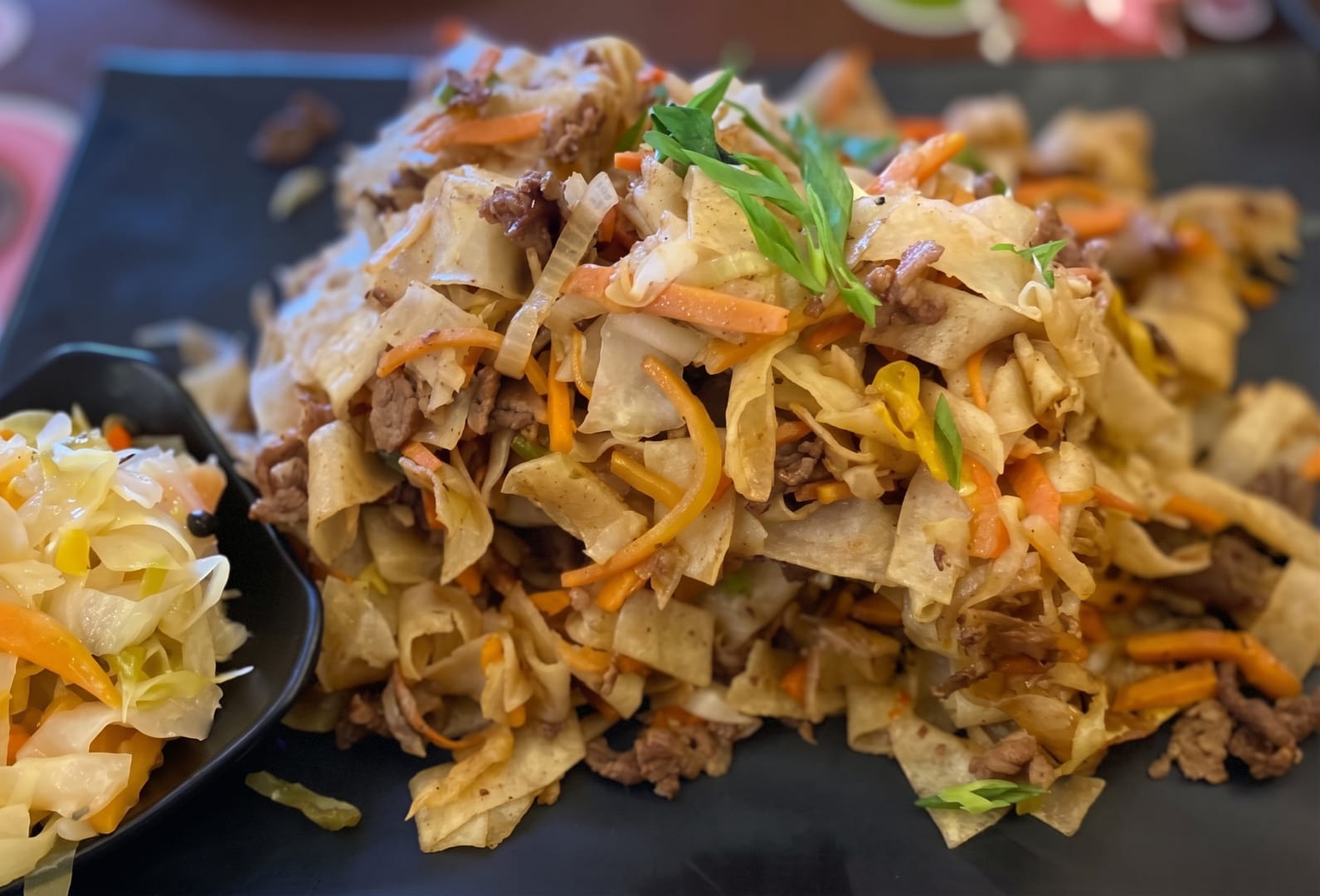
Tsuivan combines noodles with meat and vegetables in a comforting one pan dish. It is widely available and often easier for visitors who want a familiar meal structure.
Guriltai shul is a meat and noodle soup that suits cold days. Portion sizes can be generous, and vegetable content varies.
Ask clearly about the meat and broth when dietary rules matter. A dish with visible vegetables can still use meat stock or fat.
Khorkhog and shared meat meals
Khorkhog cooks meat with heated stones inside a sealed vessel. It is often prepared for groups and takes time, making it as much a social event as a dish.
The host can pass warm stones to guests after cooking. Handle them only as instructed because they remain hot.
Respect the shared nature of the meal and avoid wasting large portions. Tell the guide about appetite and dietary restrictions before preparation begins.
Mongolian dairy traditions
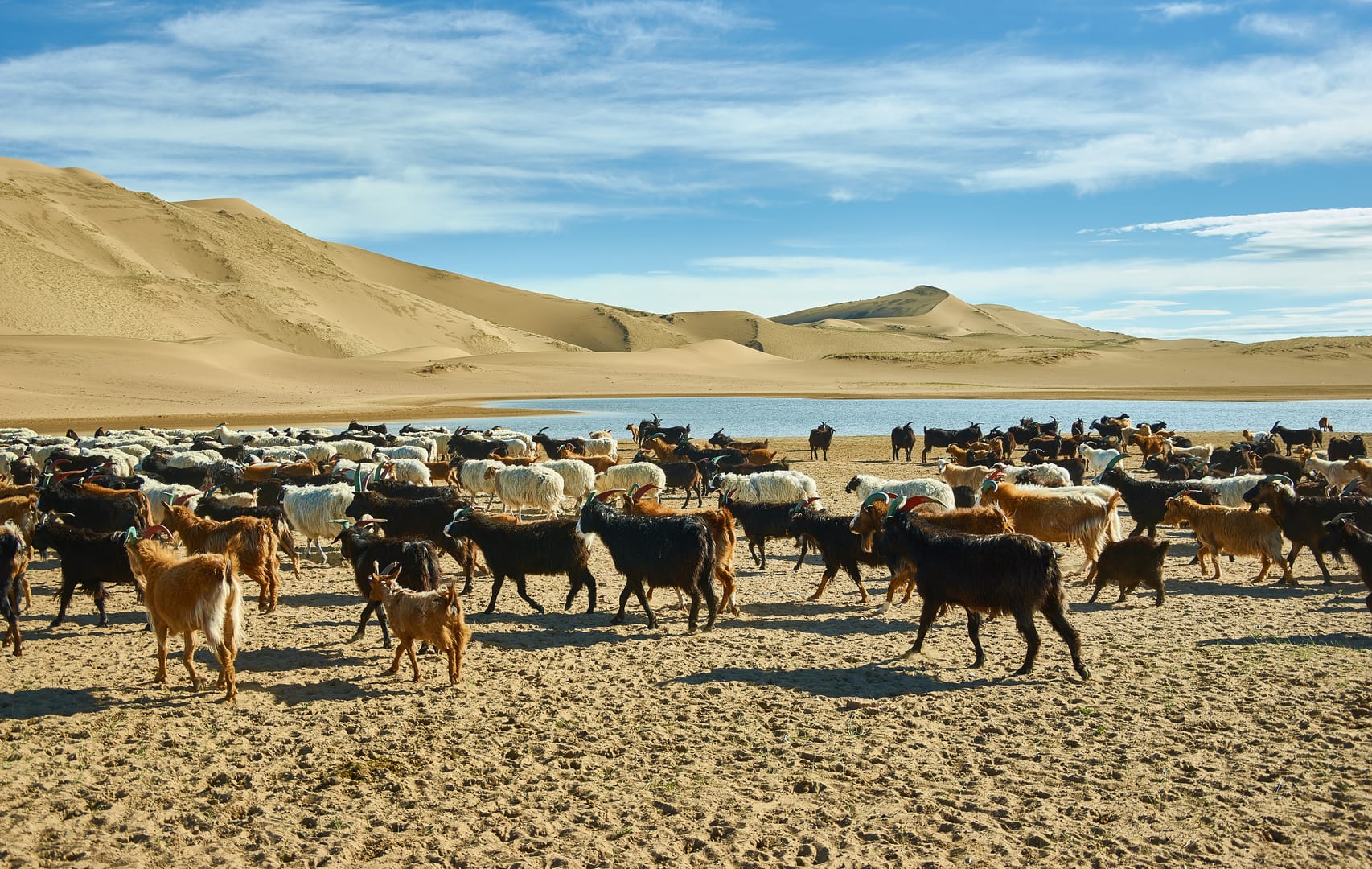
Dairy foods change with season and household. Milk from cows, yaks, goats, sheep, camels and mares can become yoghurt, cream, curds, cheese, tea and fermented drinks.
Suutei tsai is a mild salted milk tea served frequently during hospitality. Airag is fermented mare's milk with a low alcohol content and a distinctive sour flavour. Aaruul is dried curd that ranges from soft and sweet to hard and sharply sour.
Lactose intolerance can be difficult during family visits. Explain it before arrival and carry suitable alternatives or medicine recommended by your clinician.
Food in western Mongolia
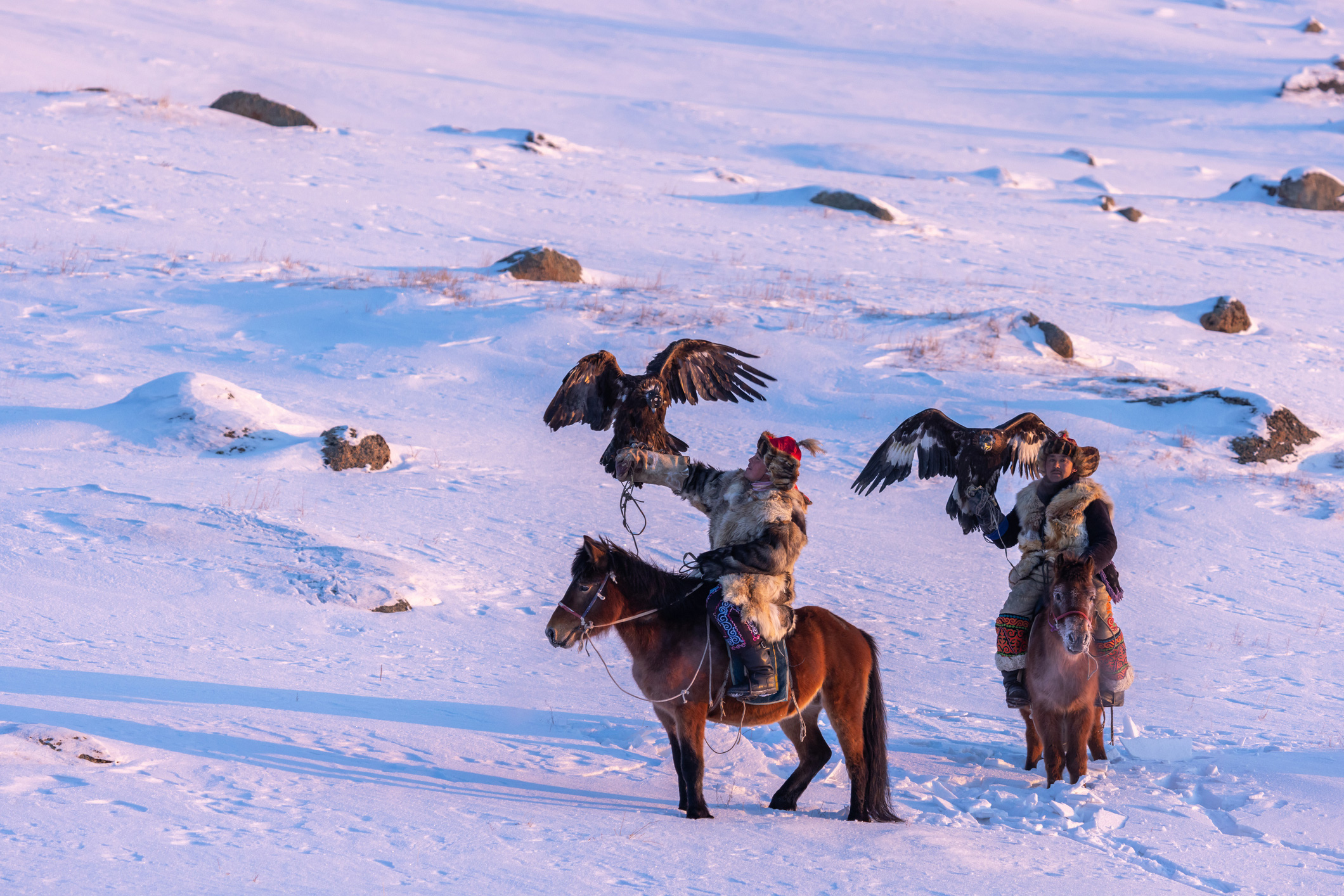
Bayan Ulgii has a strong Kazakh food culture. Beshbarmak combines boiled meat, broad noodles and broth and is often served for guests. Breads, dairy foods and tea traditions differ from central Mongolia.
The SoulTrips Golden Eagle Festival tour includes Kazakh meals in Ulgii, adding cultural context to the festival programme.
Ask your guide to explain the meal and serving order. Food is one of the clearest ways to understand the region's distinct identity.
Ger camp meals
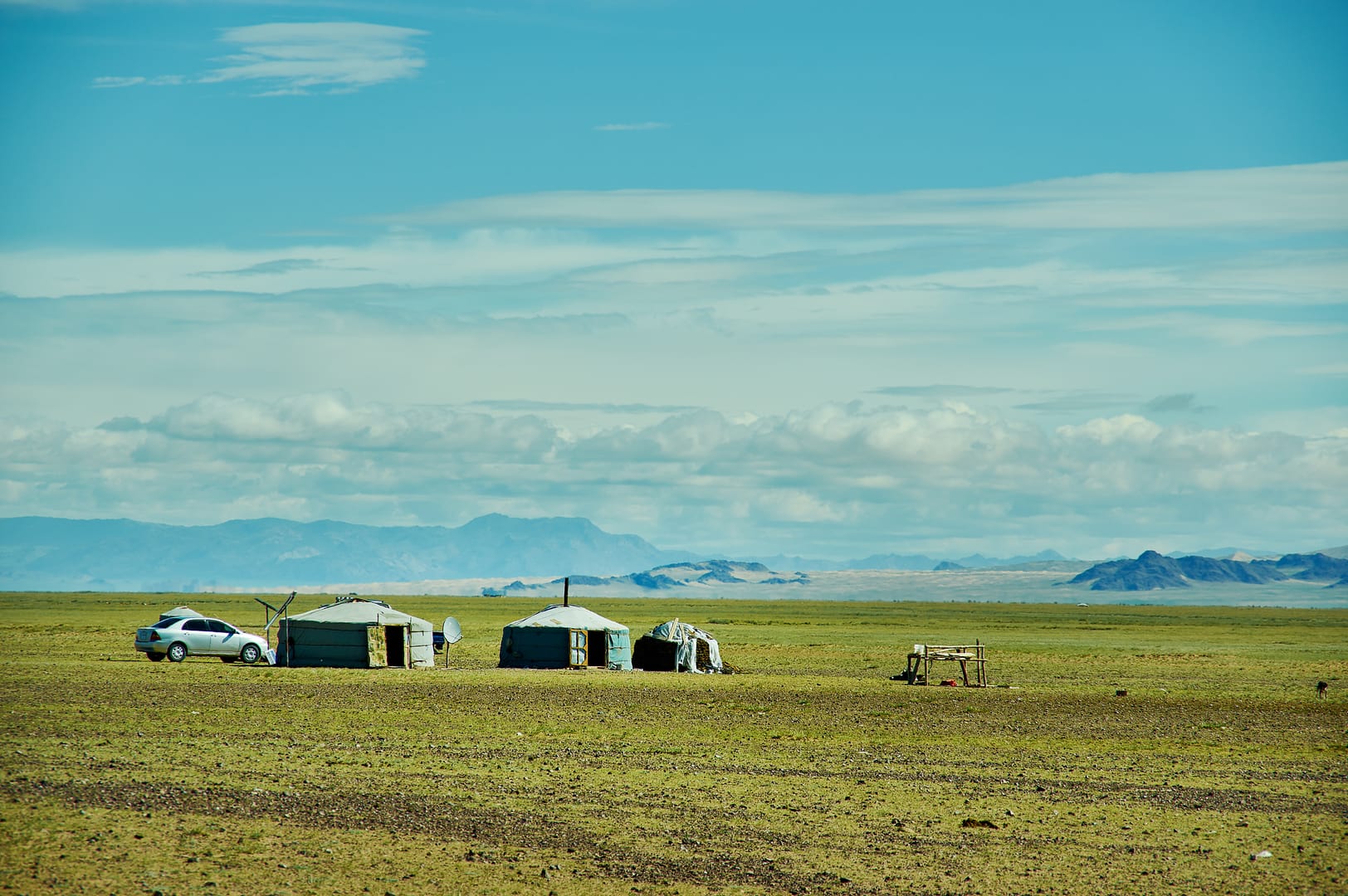
Tourist ger camps usually serve breakfast, lunch and dinner in a separate dining building. Menus combine Mongolian dishes with simple international food, especially during the main travel season.
Breakfast can include eggs, bread, porridge, fruit, tea and coffee. Lunch and dinner often include soup, meat, rice, noodles and vegetables. Remote supply limits variety.
Tell the camp about dietary needs at booking. A fixed kitchen cannot always source specialist products after you arrive.
Meals during long road days
Lunch can be served at a town restaurant, roadside café or camp. Some itineraries use packed meals when settlements are far apart.
Carry a few suitable snacks, but do not replace every local meal with imported food. Nuts, crackers, dried fruit and an energy bar are enough for delays.
Keep drinking water accessible and clean your hands before eating. Dust and long vehicle days can affect appetite and digestion.
Vegetarian and vegan travel
Ulaanbaatar has vegetarian and vegan restaurants, but countryside choices are limited. Vegetable dishes can still contain meat stock, dairy or animal fat.
Send a precise list of what you eat and avoid before booking. Broad labels can be interpreted differently. A vegan route needs more advance preparation and may use repeated simple dishes outside the city.
Bring compact protein snacks and any essential supplements. Do not expect a nomadic family to maintain a separate kitchen process during a short visit.
Halal food and religious requirements
Kazakh communities in western Mongolia are predominantly Muslim, but this does not guarantee that every hotel, camp or restaurant follows a certified halal process.
Explain the exact requirement before the trip. A local operator can select suitable meals, arrange vegetarian alternatives or confirm sourcing where possible.
Carry a translated dietary card and avoid assuming that removing visible meat makes a dish suitable.
Food allergies
Prepare an allergy card in Mongolian and any other locally relevant language for the route. Name each ingredient and explain cross contact risk.
Common concerns can include dairy, wheat, egg and meat stock. Remote kitchens have limited separation and may use one surface or oil for several dishes.
For a severe allergy, carry prescribed emergency medicine, safe snacks and a written action plan. Review the nearest realistic medical support with the operator.
Drinking water and alcohol
Drink treated, boiled or sealed water. Refill a bottle only from a source confirmed safe by the operator. Avoid untreated river and lake water.
Airag contains alcohol, and vodka can appear during hospitality or celebrations. You can decline politely for health, religious or personal reasons. Hold the cup respectfully and explain through your guide.
Do not drink before riding or a demanding outdoor activity.
Dining etiquette
Accept tea and food with the right hand or both hands. Wait for the host or guide to indicate where to sit and when the shared meal begins.
Taste a small amount when you can, but do not risk an allergy or medical problem to appear polite. A calm explanation given in advance protects both guest and host.
Compliment the food sincerely and avoid comparing every dish with cuisine at home. Ask how the ingredients connect with the season and animals.
Markets and food shopping
Ulaanbaatar markets and supermarkets provide snacks, fruit, bottled drinks and familiar items before a road journey. Buy only what fits the storage available in the vehicle.
Cashmere and craft are stronger souvenirs than meat or dairy products that can create import problems on the journey home. Check customs rules before buying food gifts.
Breakfasts, snacks and long road days
City hotels often serve a broad breakfast, while ger camps usually offer a simple set meal with eggs, bread, porridge, tea or another hot dish. Eat enough before a long drive, as the next reliable meal may be several hours away. Ask for an earlier breakfast when the route begins at sunrise.
Pack snacks that tolerate heat, cold and rough roads. Nuts, dried fruit, plain biscuits and sealed energy bars work well. Carry familiar options for children and anyone with a medical diet. Avoid filling the vehicle with strongly scented or fragile food, and take every wrapper out of the countryside.
Your guide may arrange a picnic or packed lunch when no restaurant fits the route. Confirm dietary needs the evening before so the camp has time to prepare. Keep hand sanitiser and a reusable cup accessible, and drink steadily even when the weather is cold.
If a delay moves the meal time, use a small snack rather than eating the entire reserve. Remote travel becomes much more comfortable when food is planned as part of the driving day instead of an afterthought.
Plan a food focused journey
Choose one family meal, one city restaurant, one camp dinner and one regional speciality. This creates variety without turning every day into a formal food programme.
Leave room for seasonal dishes and your guide's local recommendation. Food becomes more meaningful when you understand the household and landscape that produced it.
How a Mongolia travel specialist plans a food journey
Share all dietary needs before booking, then balance family hospitality, camp meals, city restaurants and regional specialities. Mongolia looks simple on a map, but scale, road conditions, limited flights and changing weather decide what is comfortable. Start with the one experience that matters most, then build the route around it.
Keep city nights, countryside nights and travel days visually separate when reviewing the itinerary. A short distance can take longer than expected once the paved road ends. Two or three nights in an important region usually create a better experience than a sequence of single night stops.
Reserve the least flexible element first. This could be a domestic flight to Ulgii, a ger camp with limited rooms, the Golden Eagle Festival, a Naadam programme or a family visit arranged through a trusted local partner. The SoulTrips guide to booking ahead gives you a useful planning timeline.
Common planning mistakes
- Assuming every vegetable dish is vegetarian.
- Telling a remote camp about a severe allergy only after arrival.
- Treating dairy hospitality as a tasting challenge instead of a social exchange.
- Buying meat or dairy souvenirs without checking import rules.
These mistakes are easy to prevent with a focused route, realistic driving times and one weather buffer. Avoid a heavy group meal immediately before a long rough drive and keep flexible snacks available for delays.
Make the final plan work on the ground
Review a food journey one last time with the local team before paying the final balance. Confirm the real driving hours, meal arrangements, bathroom standard, heating, luggage limits and the point where mobile coverage becomes unreliable. Ask which day is most exposed to weather and what the practical alternative will be.
Keep one flexible half day in Ulaanbaatar and one complete night before the international departure. This margin gives the guide room to respond to a delayed domestic flight, a difficult road or a camp change without removing the experience that matters most.
Share medical needs, dietary requirements and mobility concerns clearly. A specialist can adjust the vehicle, room location, walking route and meal plan only when the details are known in advance. Carry the confirmed programme offline, but expect the guide to refine each day using current local conditions. That balance of preparation and flexibility is the key to travelling comfortably across Mongolia.
Practical advice for different travellers
First time visitors
Try buuz, tsuivan, milk tea and one regional meal while keeping dietary communication clear. The SoulTrips Mongolia culture and wilderness journey is a useful model because it balances Ulaanbaatar, central history, sand dunes, nomadic encounters and Terelj without trying to cross the whole country.
Solo travellers
Use an experienced local guide and driver outside Ulaanbaatar. Remote roads, limited mobile coverage and great distances make improvised solo transport difficult. Share the route with someone at home and keep the guide's local contact details offline.
Families
Bring familiar snacks, explain children's needs in advance and introduce strong dairy flavours in small portions. Build in regular toilet stops, warm layers, familiar snacks and quiet time at camp. Horse and camel activities need properly fitted equipment, clear supervision and a pace suited to the least confident rider.
Older travellers and travellers with mobility concerns
Choose dining rooms with chairs and accessible paths, as some family homes use low seating and uneven entrances. Ger thresholds, uneven ground, basic bathrooms and long vehicle days can be demanding. Ask for photographs and exact walking descriptions, then request private facilities, a western toilet and the ger closest to the main building where possible.
Responsible travel and safety
Order realistic portions, reduce food waste and value the labour behind meat, dairy and camp supply in remote landscapes. Mongolia's open landscape can look empty, but it supports families, livestock, wildlife and fragile water sources. Stay on established tracks when instructed, carry rubbish out and never photograph people at close range without permission.
Weather can change quickly. Carry warm layers, drinking water, sun protection and a basic personal medicine kit even on a summer day. Follow your guide during storms, strong wind, wildfire conditions or flooding, and do not separate from the vehicle in remote country.
Travel insurance should cover medical treatment, evacuation, domestic flight disruption and the activities in your itinerary. Mobile coverage becomes limited beyond settlements, so a good operator carries communication and contingency plans that match the route.
Review the SoulTrips Mongolia destination guide for related planning articles and browse SoulTrips travel tips before departure.
Frequently asked questions
-
What food should you try in Mongolia?
Try buuz, khuushuur, tsuivan, milk tea and a shared meat meal. Add Kazakh food when visiting western Mongolia.
-
What are buuz?
Buuz are steamed dumplings usually filled with seasoned meat. They are eaten throughout the year and are especially important during Tsagaan Sar.
-
What is Mongolian milk tea like?
Suutei tsai is a mild salted tea made with milk. It is offered frequently during household hospitality.
-
What is airag?
Airag is fermented mare's milk with a sour flavour and low alcohol content. You can decline politely for health, religious or personal reasons.
-
Is vegetarian food available in Mongolia?
It is available in Ulaanbaatar, but countryside choices are limited. Arrange meals in advance because stocks and animal fats are common.
-
Can Mongolia accommodate food allergies?
Yes with early detailed planning, but remote kitchens have limited separation. Carry an allergy card, medicine and safe snacks.
-
What do ger camps serve?
Expect breakfast and set lunches or dinners with soup, meat, rice, noodles and vegetables. Menus vary with supply and camp standard.
-
Is Mongolian food very meat heavy?
Traditional cuisine relies strongly on meat and dairy because of climate and pastoral life. City restaurants offer much greater variety.
-
Can you drink tap water in Mongolia?
Use treated, boiled or sealed water. Refill only from a source your operator confirms as safe.
-
Can SoulTrips arrange dietary needs?
Yes. Share exact requirements through SoulTrips trip planning before accommodation and meals are confirmed.
Use this Mongolia food guide to travel with curiosity
A Mongolia food guide should help you enjoy hospitality without compromising health or dietary needs. Try the dishes that connect with the landscape, communicate early and approach family meals with respect. Explore SoulTrips Mongolia journeys or contact the team to plan meals as part of the experience.