By Soul Trips · Updated on 09 October, 2026
What to Pack for Mongolia: A Practical Seasonal Guide
A practical Mongolia packing list begins with layers. Warm days can become cold evenings, and the Gobi, Khovsgol and Altai have very different conditions. Pack compactly for private vehicles and domestic flights, but never remove the essential warm and waterproof clothing.
Your route determines the final list. The SoulTrips Mongolia destination guide helps you identify road, camp and climate needs before you close the bag.
Mongolia packing list at a glance
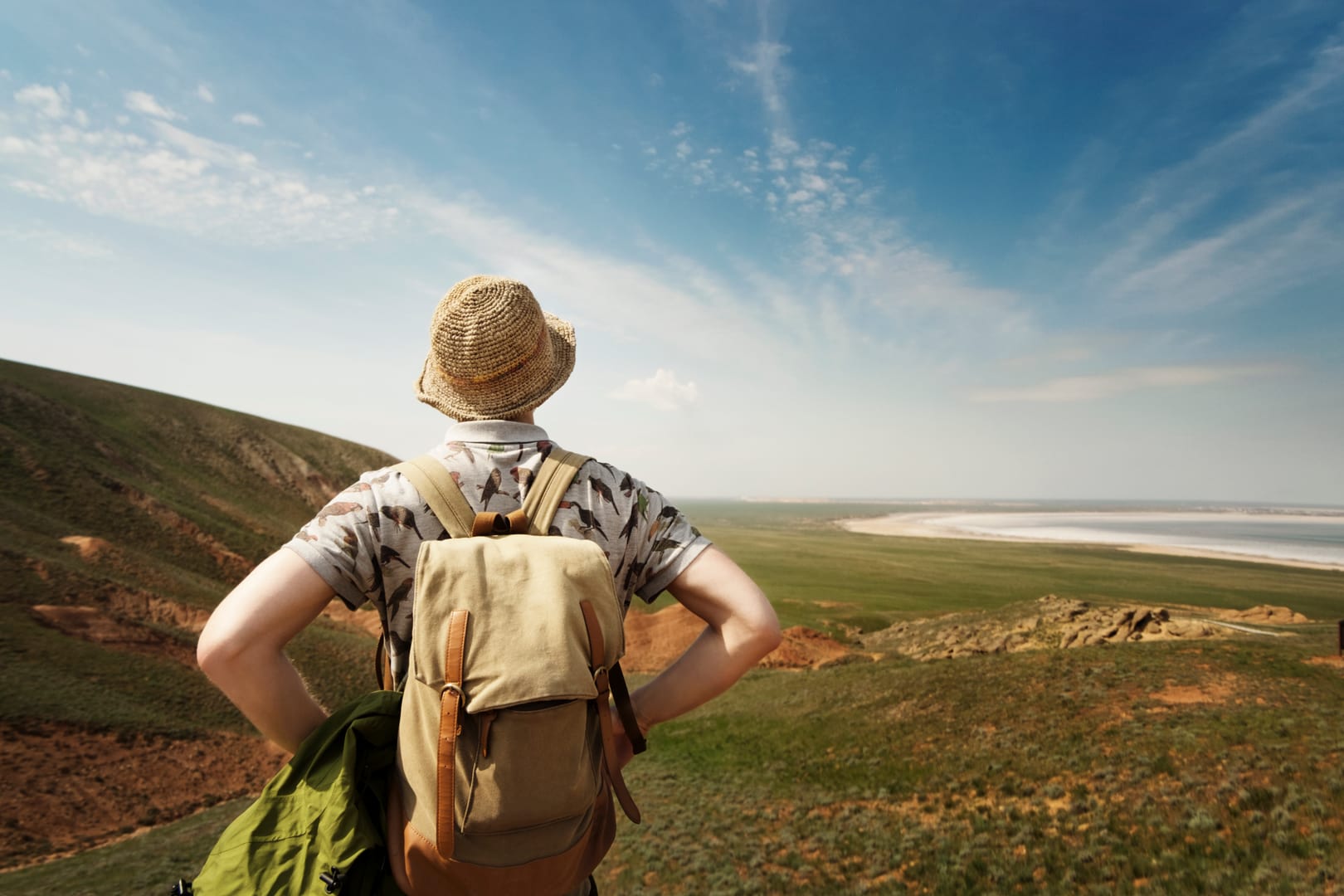
Pack one medium soft bag and one small day bag. Keep daily essentials accessible inside the vehicle.
- Breathable base layers.
- Fleece or wool mid layer.
- Insulated jacket.
- Windproof and waterproof outer shell.
- Comfortable trousers and thermal leggings.
- Sturdy closed shoes or boots.
- Warm hat, sun hat and gloves.
- Sunscreen, lip balm and sunglasses.
- Personal medicine and basic first aid.
- Head torch, power bank and universal adaptor.
- Refillable bottle, tissues and hand sanitiser.
Use the SoulTrips culture and wilderness tour as a practical example of the clothing needed for city, dunes, steppe and Terelj in one trip.
Layering for Mongolia
Start with a breathable top that moves moisture away from the skin. Add fleece or wool for warmth, then carry a windproof shell. The insulated jacket comes out after sunset, at altitude and during cold stops.
Choose layers that work together without restricting movement. Several light pieces are more useful than one bulky coat during summer.
Avoid relying on cotton for the coldest conditions because it stays damp. Wool or synthetic fabrics dry faster during road and camp travel.
What to pack for summer
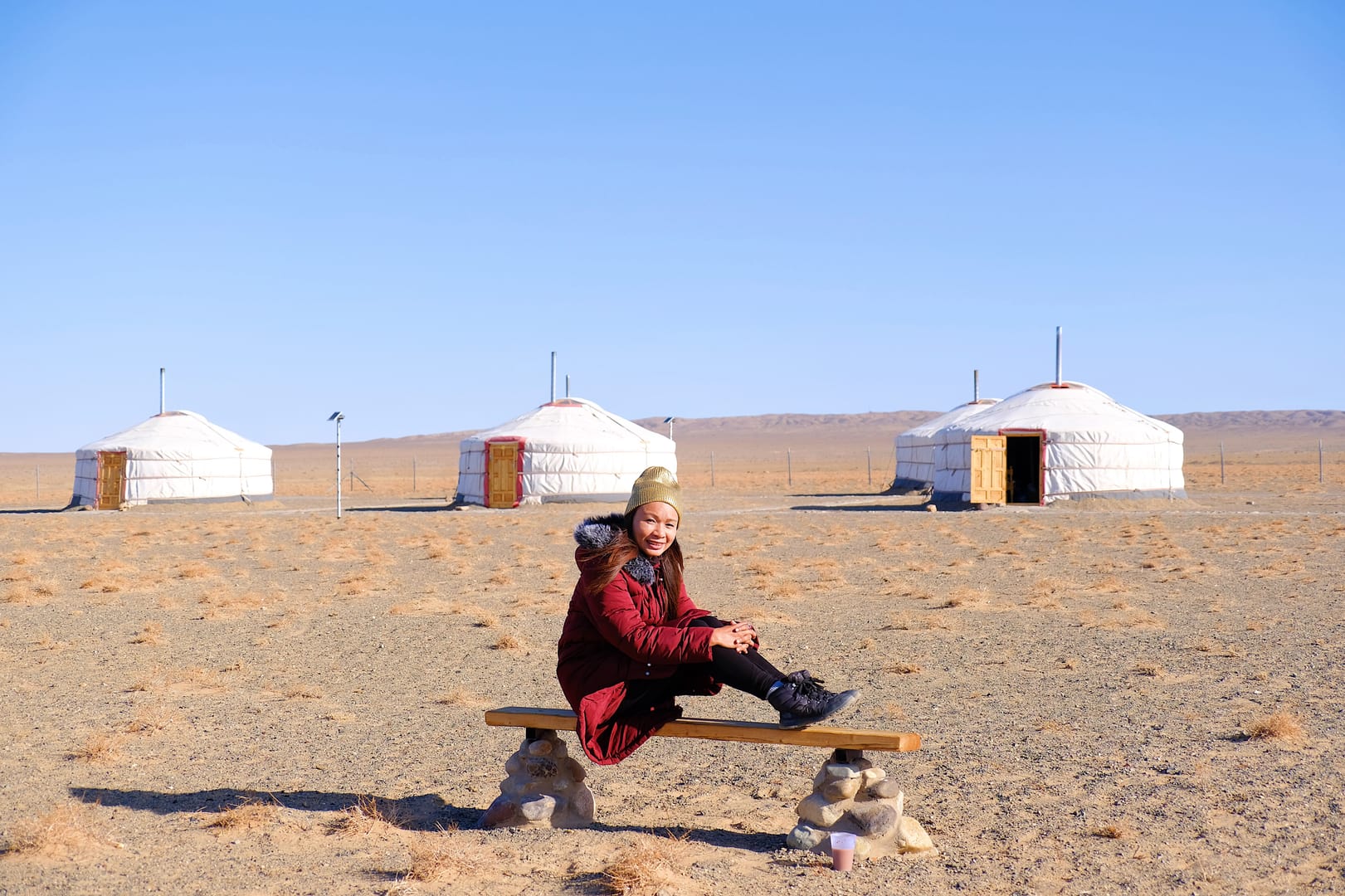
June to August needs warm day clothing and cold evening protection. Pack short and long sleeve tops, light trousers, fleece, compact insulated jacket and waterproof shell.
Add sun hat, high protection sunscreen, sunglasses and insect repellent. Khovsgol and wetland areas can have mosquitoes, while the Gobi needs dust and sun protection.
Bring a warm sleep layer for ger camps. A summer forecast in Ulaanbaatar does not describe every night in the countryside.
What to pack for September and eagle festivals
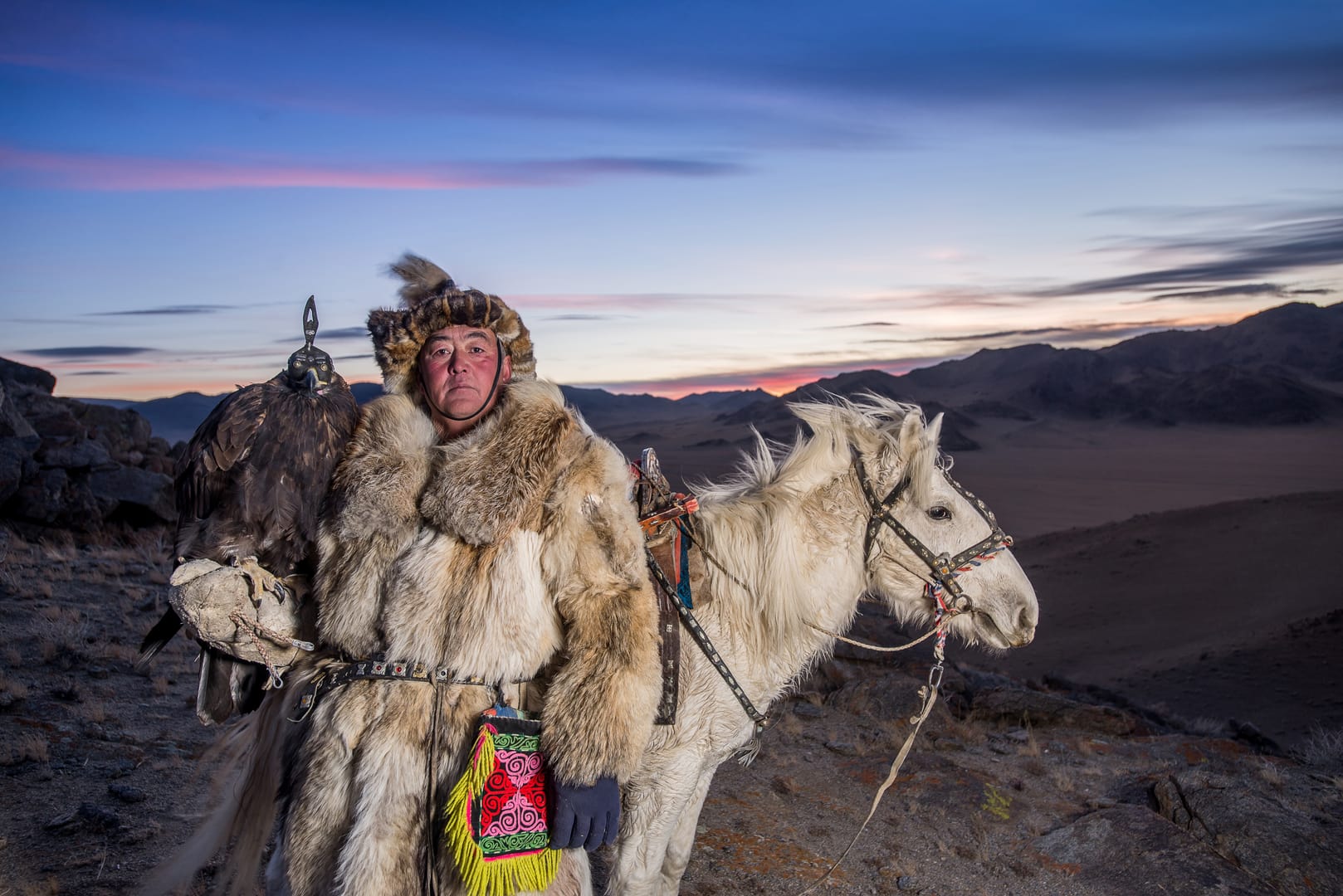
September in western Mongolia needs proper cold weather clothing. Pack thermal base layers, insulated trousers or leggings, warm coat, gloves, hat and boots with room for thick socks.
Wind and occasional snow are possible around Ulgii and festival grounds. Carry a waterproof outer layer and a small seat pad for long periods outside.
The SoulTrips Golden Eagle Festival tour combines western Mongolia with central steppe and Terelj, so clothing must work across several temperature zones.
What to pack for winter
Winter needs expedition level insulation. Bring a long down or synthetic coat, thermal layers, insulated trousers, liner and outer gloves, face protection and boots rated for severe cold.
Use thick socks without making the boots tight. Restricted circulation makes feet colder. Pack hand and foot warmers as a backup rather than the main safety plan.
Camera batteries drain quickly. Carry several spares inside an inner pocket and use sealed bags to reduce condensation when moving indoors.
Footwear
Choose sturdy walking shoes for summer central routes and ankle supporting boots for rough, cold or wet ground. Break them in before travel.
Pack lightweight slip on shoes for ger camps. You will move between the sleeping ger, dining room and bathroom, sometimes during the night.
Winter boots need insulation and reliable grip. City pavements and camp paths can be icy.
Clothing for cultural visits
Use modest clothing for monasteries and family homes. Shoulders and knees do not need extreme formality, but clean, respectful clothing is appropriate.
Avoid strong slogans and camouflage patterns. A scarf can add warmth and make a simple outfit more suitable for a sacred site.
Do not wear your best delicate clothing for family visits. Smoke, dairy products, animals and dust are part of real household life.
Ger camp essentials
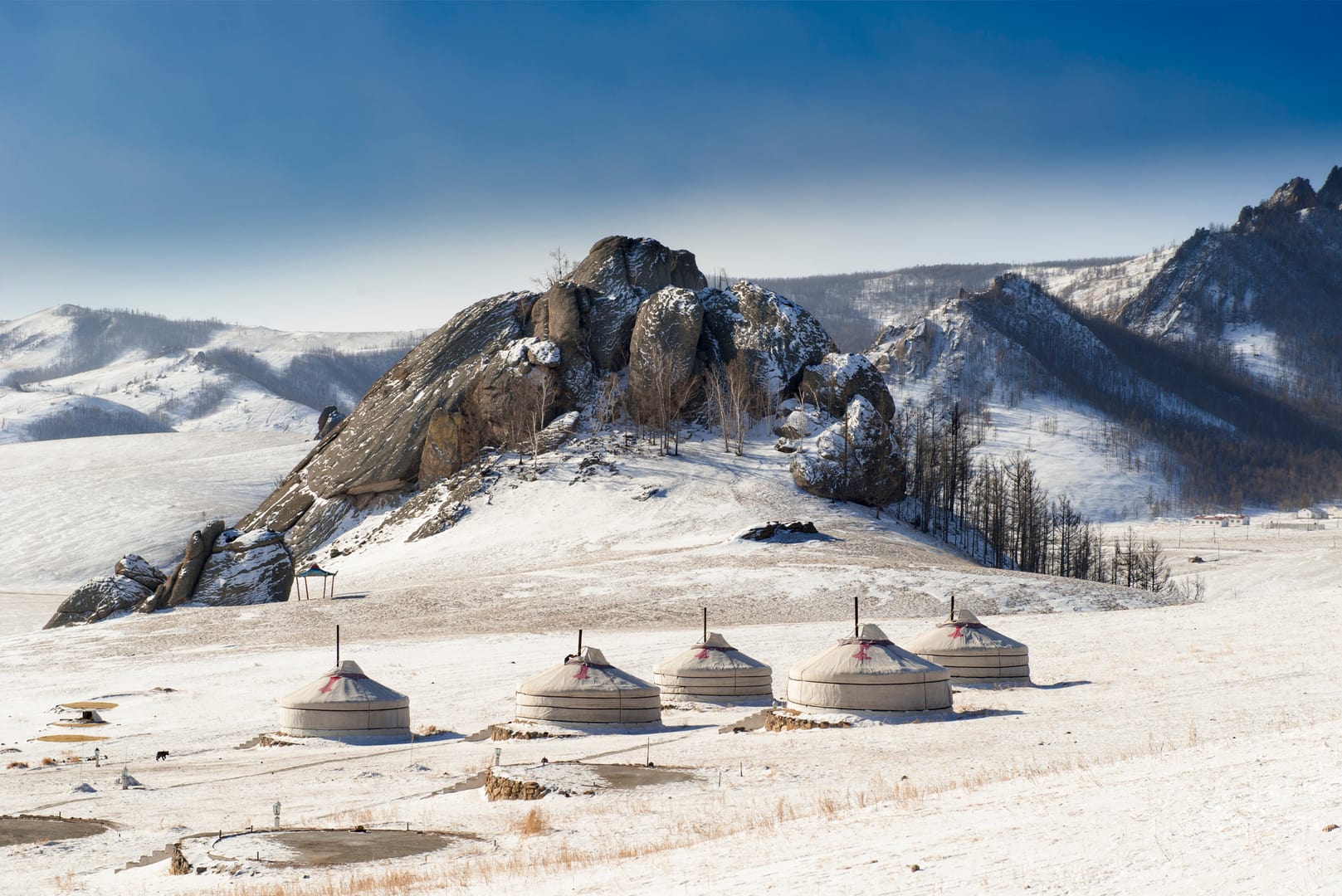
A head torch is one of the most useful items because bathrooms can be outside the sleeping ger. Add slip on shoes, warm sleepwear, ear plugs and a compact wash bag.
Electricity can operate for limited hours. Charge the power bank whenever supply is available and keep a small torch separate from the phone.
Shared bathrooms need quick drying towel, shower shoes and a waterproof toiletry pouch. Confirm if the camp provides towels before packing a large one.
Road travel essentials
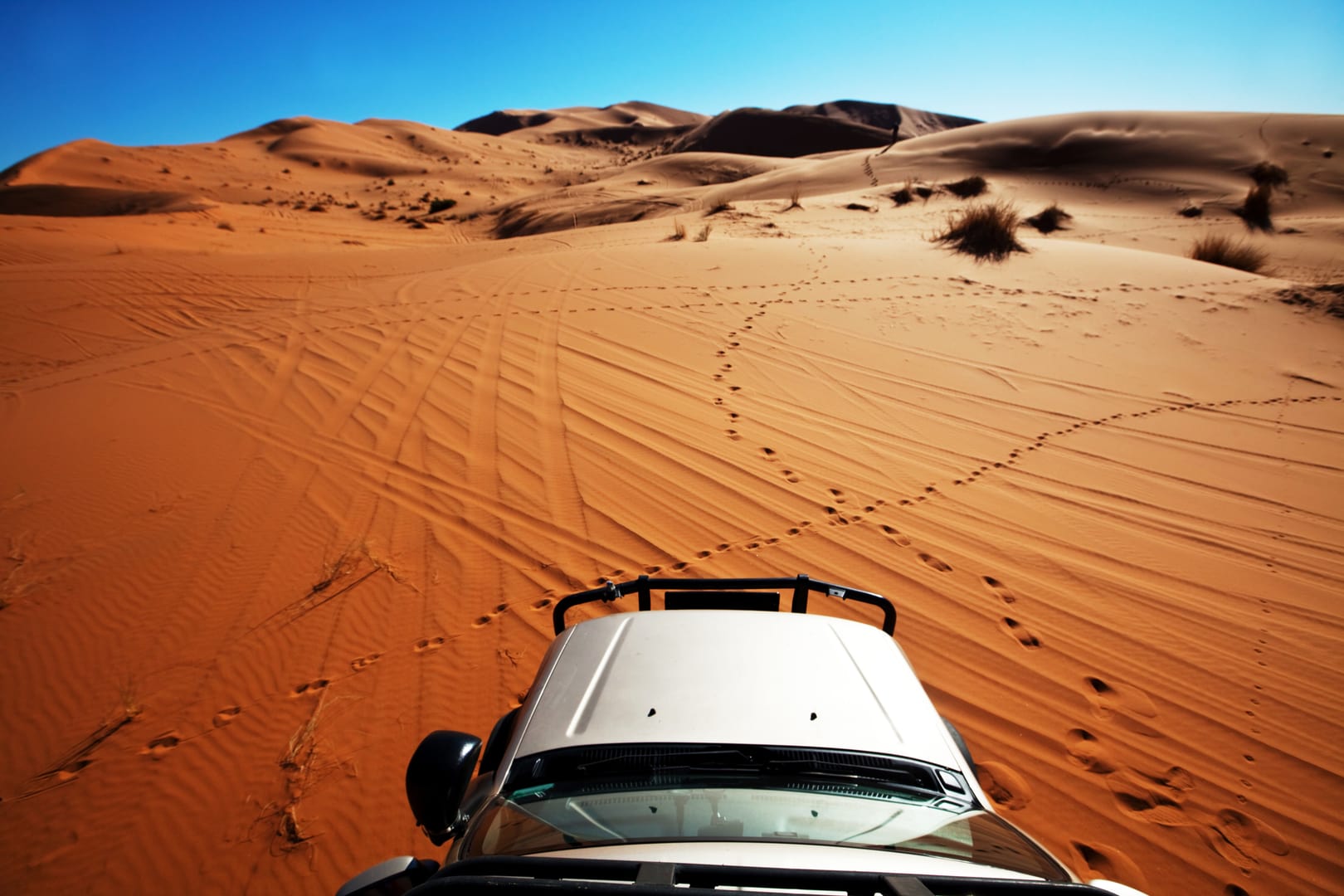
Keep water, tissues, hand sanitiser, lip balm, snacks and motion sickness medicine in the day bag. A small rubbish bag keeps the vehicle organised until you reach a proper disposal point.
Use a neck pillow or lumbar support if long drives cause discomfort. Compression socks can help some travellers, but discuss medical needs with a health professional.
Pack one warm layer inside the vehicle. Luggage can be secured where you cannot reach it during the drive.
Toiletries and personal care
Bring travel sized toiletries, moisturiser, lip balm and sunscreen. Dry air, wind and dust affect skin quickly.
Wet wipes are useful, but do not flush them and carry them out from remote areas. Choose biodegradable products when practical, while keeping all soap away from lakes and streams.
Menstrual products, contact lens supplies and specialist toiletries can be difficult to replace outside Ulaanbaatar. Bring the full amount needed plus a delay allowance.
Medicine and health items
Carry all prescription medicine in original packaging with supporting documents. Add pain relief, stomach medicine, rehydration salts, blister care and any motion sickness treatment you use safely.
Dust masks help during wind, road dust and poor city air. Travellers with asthma should bring enough prescribed inhalers and discuss the route with a clinician.
Keep medicine in cabin baggage and protect temperature sensitive products. Remote refrigeration is not guaranteed.
Electronics and power
Bring a universal adaptor because plug types vary. Mongolia uses two hundred and twenty volt electricity, but camp supply can fluctuate.
Pack a large power bank within airline cabin rules, spare cables and a compact multi port charger. Download maps, translation tools, music and bookings before leaving the city.
Use a dust resistant pouch for electronics. Keep silica gel with lenses and storage devices during dry routes.
Photography equipment
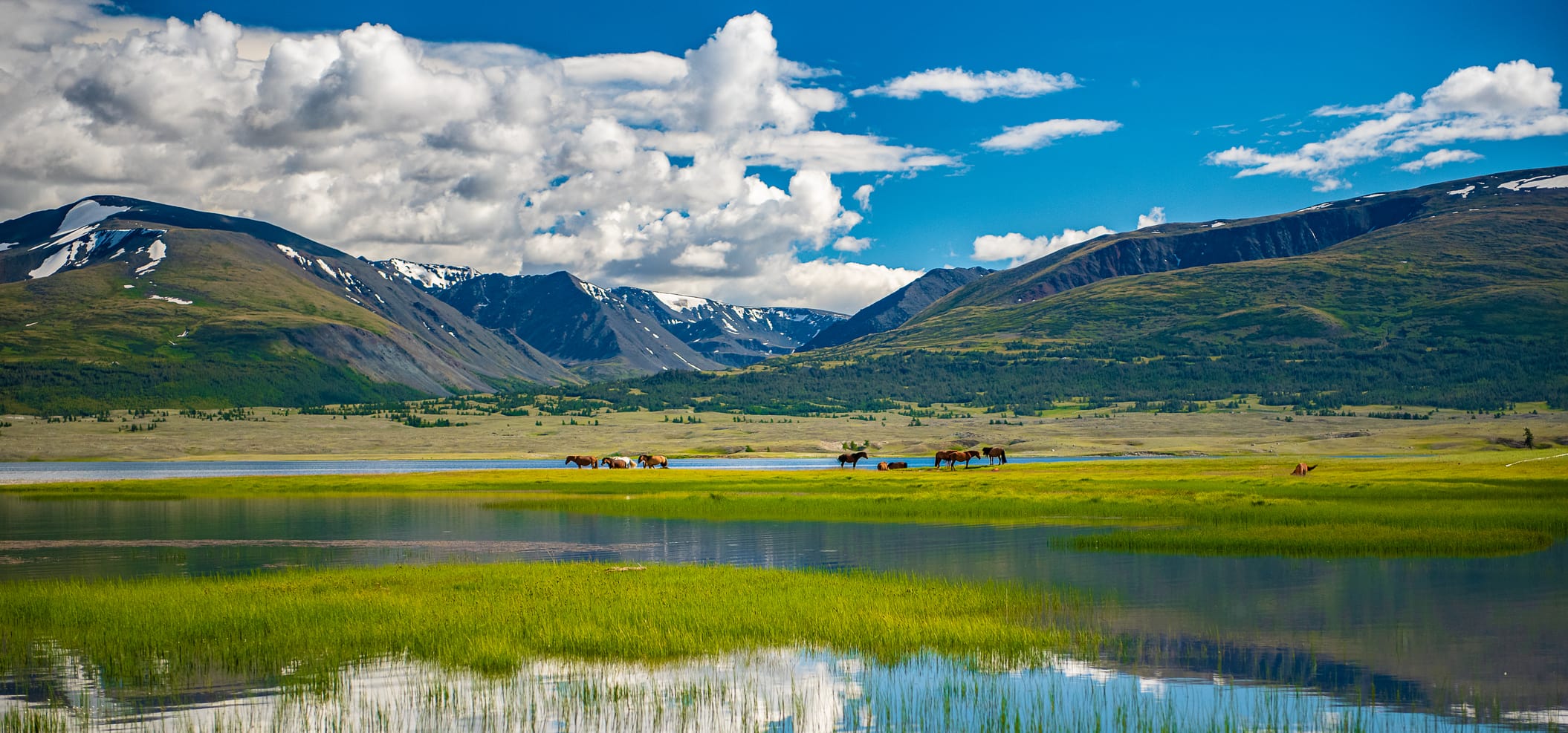
Bring only the lenses you will use. Long zoom lenses suit wildlife and eagle events, while a wider lens captures ger interiors and landscapes.
Pack rain covers, dust protection, spare batteries and several memory cards. A small bean bag can support a lens from the vehicle without a large tripod.
Ask before using drones or photographing people. Professional equipment and commercial filming can need permissions.
Documents and money
Carry the passport, flight confirmations, first hotel address, insurance details and tour contacts in a secure pouch. Keep copies separately.
Bring one main card, one backup card and enough tugrik for rural spending. Store them in different secure locations.
Save all essential information offline because mobile coverage can disappear.
What not to pack
Leave rigid oversized suitcases, unnecessary formal clothing, fragile valuables and large quantities of disposable packaging at home.
Do not bring fresh food, wildlife products or uncertain medicine. Avoid a large wardrobe. Laundry is available in Ulaanbaatar and some camps, while simple repeated layers are normal on the road.
Organise the day bag for road travel
Your day bag should stay beside you in the vehicle. Pack a fleece or insulated layer, waterproof shell, water bottle, sunscreen, sunglasses, tissues, hand sanitiser, medicine and a small snack. Add the passport pouch and power bank on domestic flight days. Keep the bag compact enough to lift easily and close every pocket against dust.
Place items in the order you use them. Warm gloves and a hat belong near the top during cold mornings, while sun protection should be reachable before the first viewpoint. Store liquids upright in a sealed pouch. Keep cameras protected but ready, as wildlife and changing light rarely wait for the luggage to be unpacked.
For children, give each child a small personal bag with a warm layer, bottle, snack and quiet activity. Adults should retain medicine and travel documents. Older travellers can use a light bag while a companion carries shared equipment.
At every camp, reset the bag for the next day. Recharge the power bank, refill water, replace snacks and move damp clothing into a separate pouch. This five minute routine prevents important items disappearing into the main luggage and makes early departures much calmer.
Final packing method
Lay out every item, remove duplicates and test the full weight. Pack one complete cold weather outfit in cabin baggage.
Use packing cubes for city, camp and cold weather items. This helps you access one layer without unloading the vehicle.
Review the actual regional forecast shortly before departure through the Mongolian weather service, then adjust only the seasonal extras.
How a Mongolia travel specialist plans seasonal packing
Build the list around the coldest night, roughest road and simplest camp in the itinerary rather than the warmest city forecast. Mongolia looks simple on a map, but scale, road conditions, limited flights and changing weather decide what is comfortable. Start with the one experience that matters most, then build the route around it.
Keep city nights, countryside nights and travel days visually separate when reviewing the itinerary. A short distance can take longer than expected once the paved road ends. Two or three nights in an important region usually create a better experience than a sequence of single night stops.
Reserve the least flexible element first. This could be a domestic flight to Ulgii, a ger camp with limited rooms, the Golden Eagle Festival, a Naadam programme or a family visit arranged through a trusted local partner. The SoulTrips guide to booking ahead gives you a useful planning timeline.
Common planning mistakes
- Packing only for summer daytime conditions.
- Bringing a rigid oversized case for a countryside vehicle.
- Leaving the head torch and warm layer inside inaccessible luggage.
- Assuming camps provide constant electricity and private bathrooms.
These mistakes are easy to prevent with a focused route, realistic driving times and one weather buffer. Pack light enough to move easily, but keep a full warm outfit, medicine and one change of clothing in cabin baggage.
Make the final plan work on the ground
Review seasonal packing one last time with the local team before paying the final balance. Confirm the real driving hours, meal arrangements, bathroom standard, heating, luggage limits and the point where mobile coverage becomes unreliable. Ask which day is most exposed to weather and what the practical alternative will be.
Keep one flexible half day in Ulaanbaatar and one complete night before the international departure. This margin gives the guide room to respond to a delayed domestic flight, a difficult road or a camp change without removing the experience that matters most.
Share medical needs, dietary requirements and mobility concerns clearly. A specialist can adjust the vehicle, room location, walking route and meal plan only when the details are known in advance. Carry the confirmed programme offline, but expect the guide to refine each day using current local conditions. That balance of preparation and flexibility is the key to travelling comfortably across Mongolia.
Practical advice for different travellers
First time visitors
Use one medium soft bag, a small day bag and a complete layering system for every season. The SoulTrips Mongolia culture and wilderness journey is a useful model because it balances Ulaanbaatar, central history, sand dunes, nomadic encounters and Terelj without trying to cross the whole country.
Solo travellers
Use an experienced local guide and driver outside Ulaanbaatar. Remote roads, limited mobile coverage and great distances make improvised solo transport difficult. Share the route with someone at home and keep the guide's local contact details offline.
Families
Pack each child’s warm clothing and medicine in a separate accessible cube, plus familiar snacks for long drives. Build in regular toilet stops, warm layers, familiar snacks and quiet time at camp. Horse and camel activities need properly fitted equipment, clear supervision and a pace suited to the least confident rider.
Older travellers and travellers with mobility concerns
Bring personal supports, easy grip shoes and any equipment needed for vehicle comfort or uneven camp ground. Ger thresholds, uneven ground, basic bathrooms and long vehicle days can be demanding. Ask for photographs and exact walking descriptions, then request private facilities, a western toilet and the ger closest to the main building where possible.
Responsible travel and safety
Use refillable containers, reduce disposable packaging and carry every wipe, battery and toiletry item out of remote areas. Mongolia's open landscape can look empty, but it supports families, livestock, wildlife and fragile water sources. Stay on established tracks when instructed, carry rubbish out and never photograph people at close range without permission.
Weather can change quickly. Carry warm layers, drinking water, sun protection and a basic personal medicine kit even on a summer day. Follow your guide during storms, strong wind, wildfire conditions or flooding, and do not separate from the vehicle in remote country.
Travel insurance should cover medical treatment, evacuation, domestic flight disruption and the activities in your itinerary. Mobile coverage becomes limited beyond settlements, so a good operator carries communication and contingency plans that match the route.
Review the SoulTrips Mongolia destination guide for related planning articles and browse SoulTrips travel tips before departure.
Frequently asked questions
-
What should you pack for Mongolia in summer?
Pack light daytime clothing, fleece, insulated jacket, waterproof shell, sturdy shoes, hat, sunscreen and warm sleepwear.
-
Do you need a winter coat in Mongolia in September?
Bring a proper insulated coat for western Mongolia and the Altai. Frost, wind and occasional snow are possible.
-
What type of luggage is best?
A medium soft bag fits countryside vehicles and domestic flights more easily than a large rigid suitcase.
-
Do you need hiking boots?
Sturdy walking shoes are enough for many central routes. Use ankle supporting boots for rough, wet, cold or trekking itineraries.
-
What do you need for a ger camp?
Bring a head torch, slip on shoes, warm sleepwear, power bank, wash kit and quick drying towel when the camp does not provide one.
-
Can you charge phones in ger camps?
Many camps provide electricity for set hours, but supply varies. Carry a power bank and charge whenever power is available.
-
Should you bring cash?
Yes. Carry tugrik for rural stops, tips and small purchases, plus a main card and separate backup card.
-
What medicine should you pack?
Bring prescriptions in original packaging, plus personal pain relief, stomach medicine, rehydration salts and motion sickness treatment.
-
How do you protect cameras from dust?
Use sealed pouches, rain covers, lens cloths and silica gel. Change lenses inside the vehicle or ger when possible.
-
Can SoulTrips advise on packing?
Yes. Plan your Mongolia trip with SoulTrips and use the final route, season and camp standards to refine the list.
Use a Mongolia packing list built for the route
A reliable Mongolia packing list prepares you for cold nights, strong sun, dust and simple camp facilities without overloading the vehicle. Use layers, protect essential medicine and keep daily items close. Explore SoulTrips Mongolia journeys or contact a specialist for route specific preparation.