By Soul Trips · Updated on 09 October, 2026
Mongolia Weather by Month: Temperature, Rain and Seasonal Conditions
Mongolia weather by month changes from severe winter cold to warm summer days within a short travel year. January and February are intensely cold, spring is windy, summer is warmer and wetter, and autumn cools quickly. Your exact experience also depends on altitude and region.
Use monthly patterns for planning, then follow the current Mongolian weather service before and during the trip. The SoulTrips Mongolia destination page helps you connect climate with realistic routes.
Mongolia weather by month at a glance
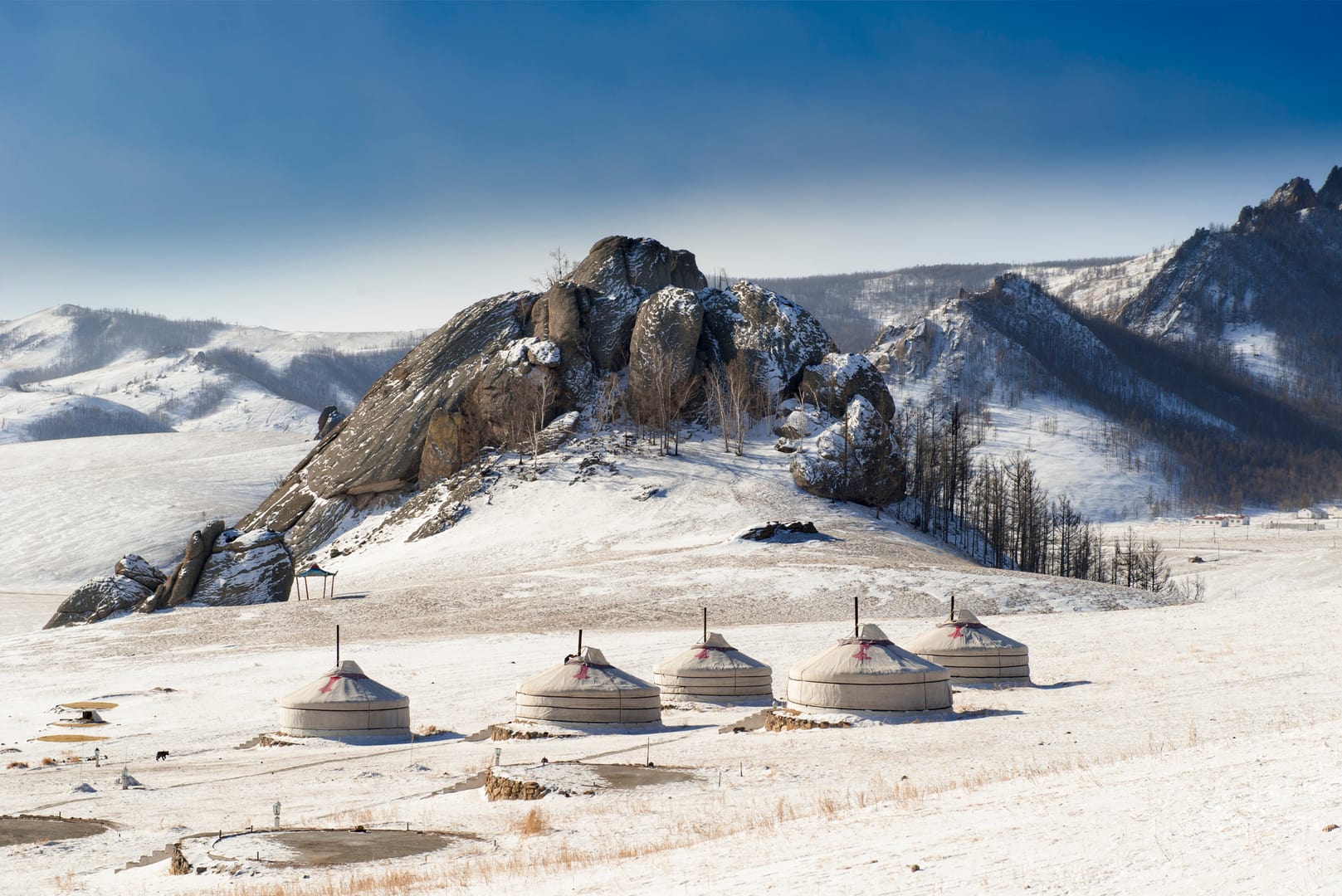
Mongolia has a dry continental climate with long cold winters, short summers and large changes between day and night.
- Coldest period: December to February.
- Windiest transition: March to May.
- Warmest period: June to August.
- Main rain period: summer, often as short showers and storms.
- Fastest cooling: September and October.
- Strongest regional contrast: the Gobi, northern lakes and western mountains.
Treat all temperatures as planning ranges rather than guarantees. The official seasonal overview provides current national travel guidance.
Mongolia weather in January
January is the coldest month across much of Mongolia. Ulaanbaatar commonly experiences daytime temperatures well below freezing and much colder nights. Western valleys and northern regions can be even colder, while the Gobi is also cold and windy.
Outdoor time needs to be short and purposeful. Wear a proper insulated coat, thermal base layers, lined boots, mittens and face protection. Batteries lose power quickly, so keep cameras and phones close to your body.
Choose heated hotels and camps with reliable backup systems. Long road journeys require emergency equipment and an experienced winter driver.
Mongolia weather in February
February remains severely cold, though daylight increases. Snow cover and frozen roads continue across most regions. Tsagaan Sar can bring family travel and changed opening hours when its lunar date falls in this month.
The cold can feel sharper in wind. Use several loose layers rather than one heavy garment and avoid cotton next to the skin. A winter itinerary should include indoor cultural time and flexible outdoor sessions.
Mongolia weather in March
March is still wintry, with more frequent temperature swings. Snow begins to soften in some lower areas, but nights remain deeply cold. Wind increases and road surfaces can alternate between ice, mud and dust.
This month suits specialist winter photography and selected festivals rather than a standard countryside circuit. Pack for both frozen mornings and strong daytime sun.
Mongolia weather in April
April is one of the most changeable months. Strong wind and dust can affect Ulaanbaatar, the steppe and the Gobi. A mild afternoon can be followed by snow or a sharp temperature drop.
Many tourist camps remain closed. Earth roads can become difficult as frozen ground thaws. Protect your eyes and camera equipment from dust, and keep a warm jacket inside the vehicle rather than in the main case.
Mongolia weather in May
May brings more comfortable afternoons, but cold nights, wind and occasional snow remain possible. New grass appears gradually and countryside services begin to reopen.
Late May can work for central Mongolia and parts of the Gobi when camps confirm operations. It remains too early to assume full summer conditions in Khovsgol or the Altai. Pack thermal layers, a wind resistant outer shell and sun protection.
Mongolia weather in June
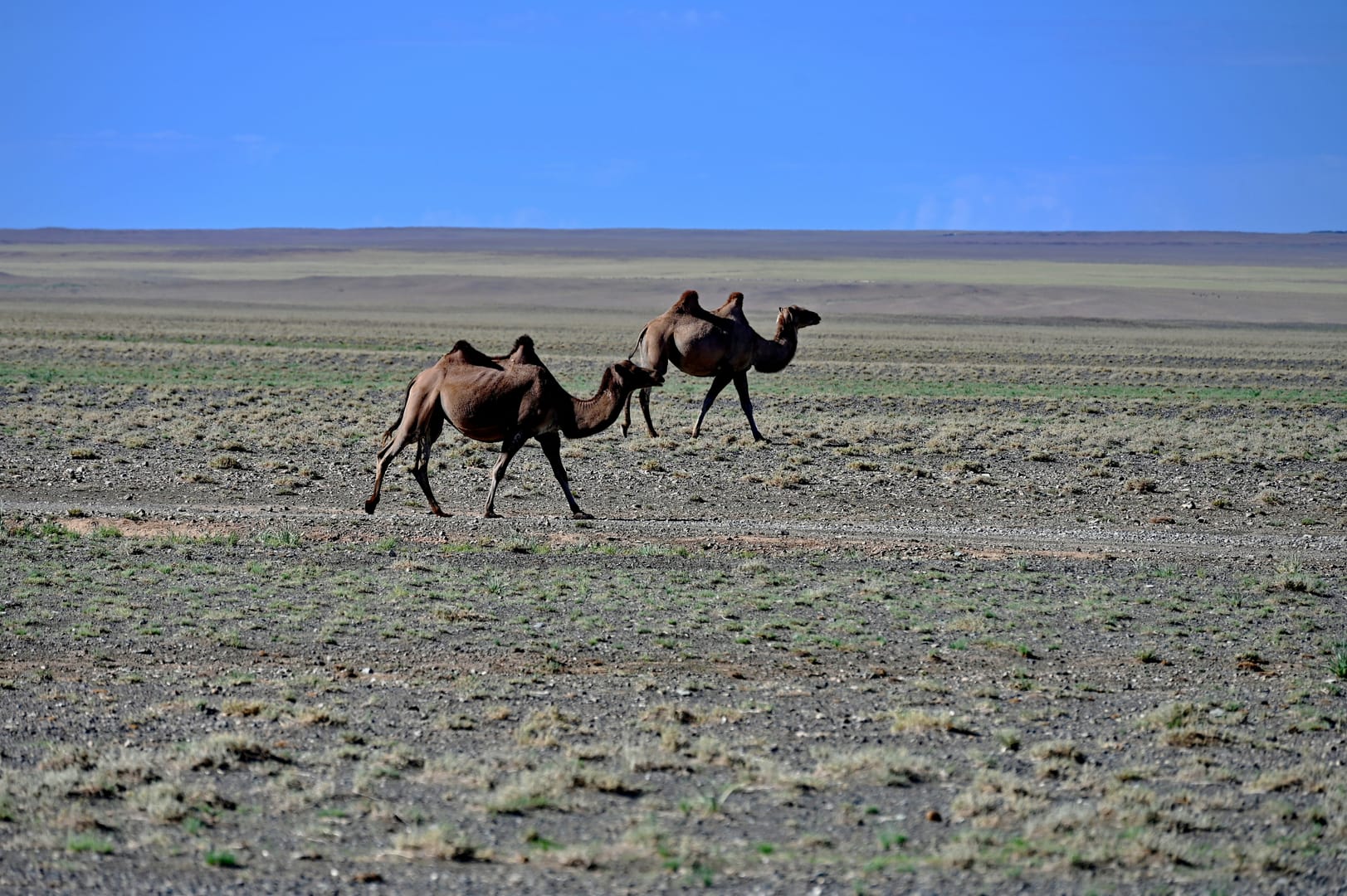
June is a strong month for a first trip. Days become warmer, landscapes turn green and daylight is long. Nights remain cool, especially around lakes, mountains and open desert camps.
Rain usually arrives as showers or storms rather than continuous wet weather. Unpaved roads can still become soft after heavy rain. Carry a waterproof jacket and quick drying trousers, then keep a warm layer ready after sunset.
The SoulTrips culture and wilderness route fits this early summer window well because central roads and camps are active without the strongest July demand.
Mongolia weather in July
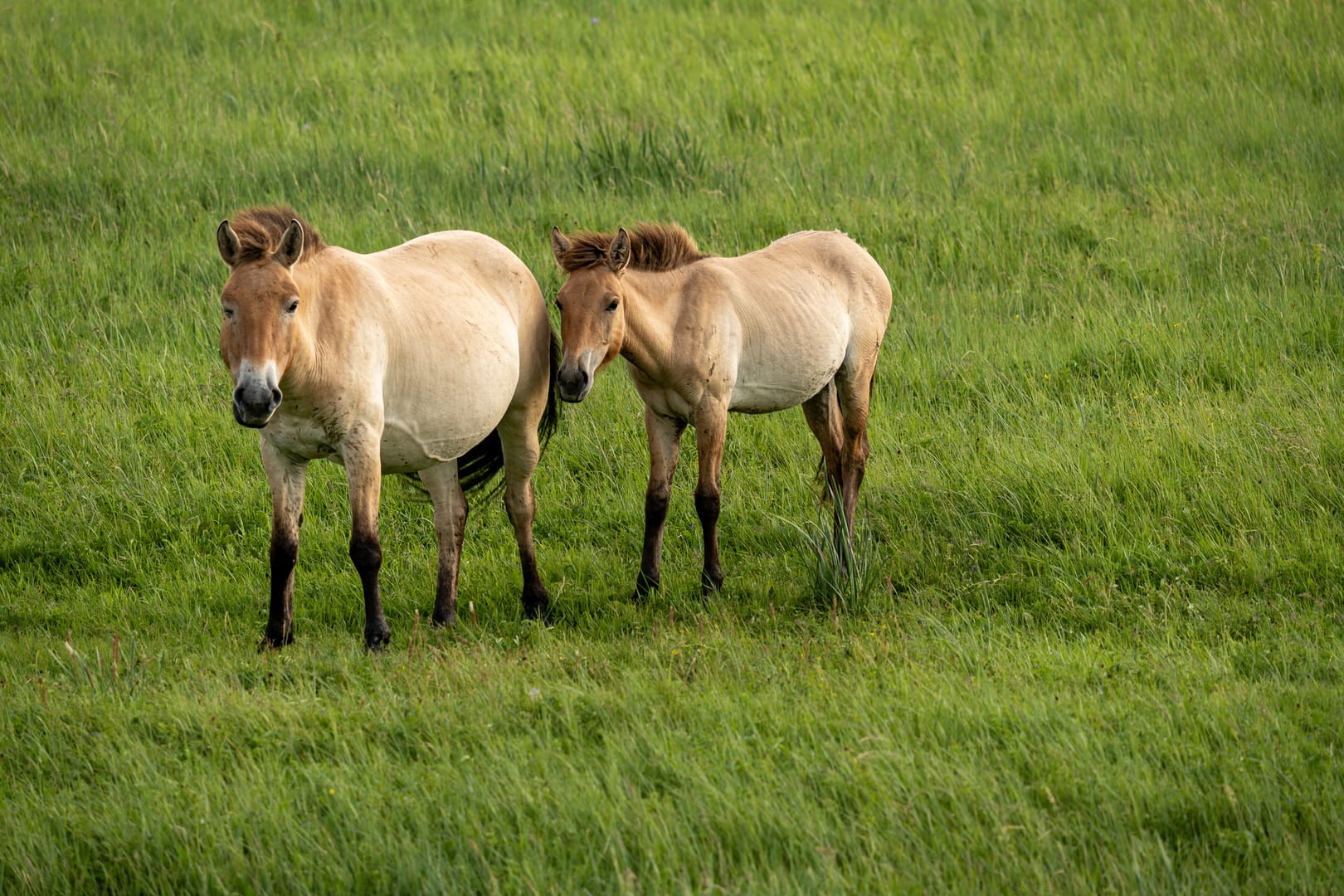
July is usually the warmest month. Ulaanbaatar and central Mongolia feel pleasant during many days, while the Gobi can become hot. Summer rainfall and thunderstorms are most likely during this period.
Naadam travel increases pressure on hotels and transport. Heat, dust and crowds can occur on the same day, so carry water, sunscreen, a hat and a light waterproof layer.
Even in July, pack a fleece or light insulated jacket. Khovsgol, the Altai and high passes can feel cold at night.
Mongolia weather in August
August remains warm during the day, with cool nights and possible storms. Grasslands stay green in many areas, while the Gobi begins to feel more comfortable later in the month.
This is an excellent all round travel period. Camps are operating, road access is broad and visitor numbers ease after major July events. Mosquitoes can be present near lakes and wetlands, so carry repellent.
Mongolia weather in September
September changes quickly from early autumn to cold conditions. Days can be clear and mild, but frost is common at night. Grass turns gold and larch forests colour in the north and west.
Western Mongolia needs winter capable layers for eagle festival travel. Snow is possible around Ulgii and mountain areas. The SoulTrips Golden Eagle Festival tour includes several climates, so pack for city warmth, open steppe wind and freezing nights.
Mongolia weather in October
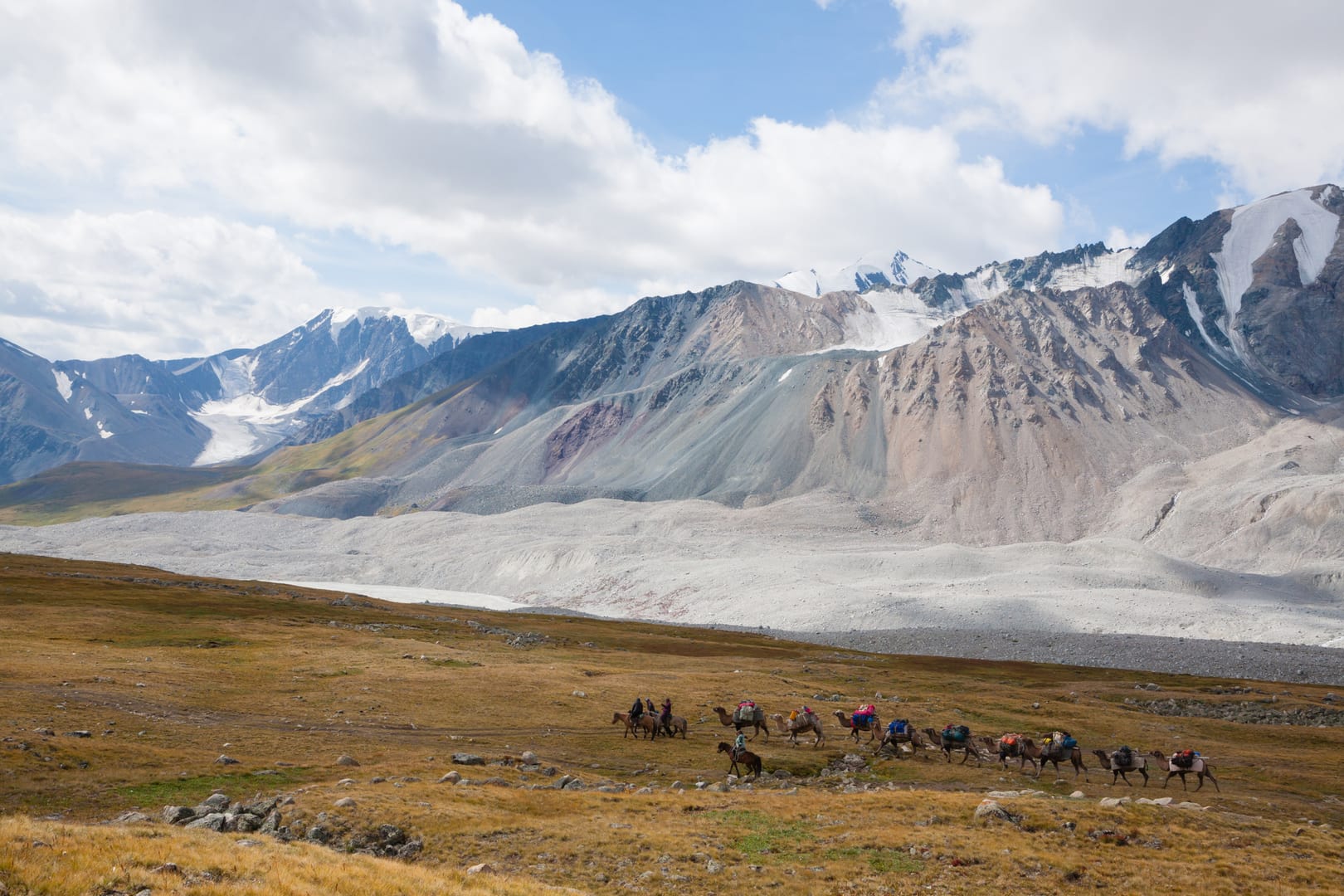
October is cold and dry with a growing chance of snow. Many seasonal camps close, and rural facilities become simpler. Ulaanbaatar can still have bright days, but temperatures fall sharply after sunset.
Choose a focused route with confirmed heating and accommodation. Avoid a tightly timed mountain itinerary because early snow can alter roads and flights.
Mongolia weather in November
November is winter. Temperatures remain below freezing for long periods, daylight shortens and the landscape becomes stark. Wind chill matters during even short outdoor stops.
Travel is possible with specialist arrangements. Standard summer camps and activity programmes should not be assumed to operate.
Mongolia weather in December
December brings deep cold, long nights and stable winter landscapes. Ulaanbaatar's heating season can create poor air quality, especially during still conditions.
Plan photography and cultural visits around short daylight hours. Heated vehicles, insulated boots and reliable accommodation are essential. Leave generous buffers for transport disruption.
Regional weather differences
Ulaanbaatar sits at high elevation and has very cold winters. The Gobi is drier, hotter on summer days and colder at night than many travellers expect. Khovsgol and northern Mongolia are cooler and wetter, while the Altai has mountain weather, frost and snow earlier in autumn.
Central steppe routes are exposed to wind with little shelter. A forecast for the nearest town does not describe every camp or pass. Ask the local team about the next day's actual route each evening.
Rain, storms and road conditions
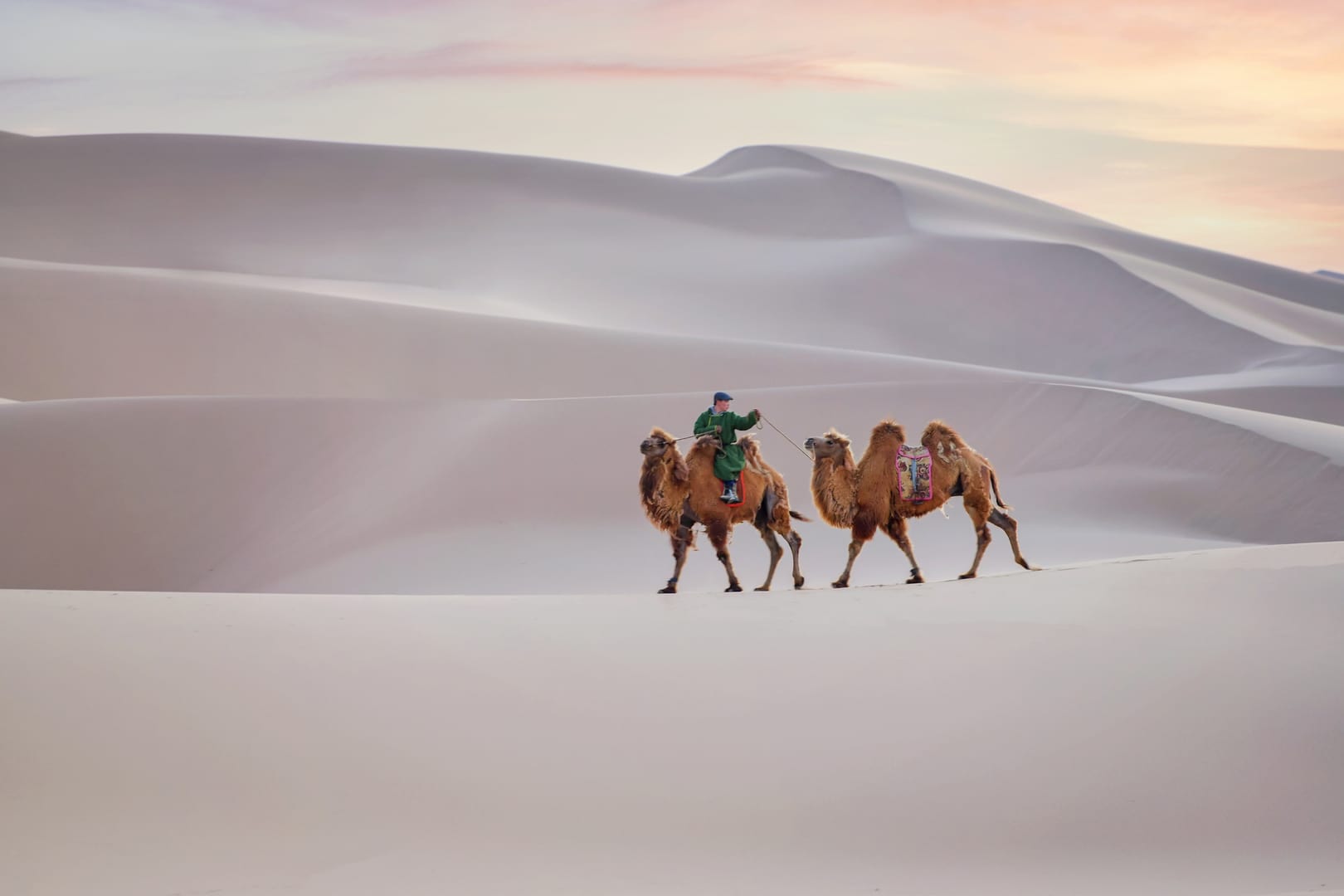
Most precipitation falls in summer. A short intense storm can flood dry riverbeds, damage tracks and add hours to a road journey. Good drivers change direction early instead of forcing a crossing.
Build one spare night around remote flights and avoid a fixed international departure immediately after the Gobi or Altai. Weather resilience is part of good itinerary design.
What to pack for each weather pattern
Use a layering system in every month. Start with a breathable base, add fleece or wool, then carry an insulated layer and windproof outer shell. Summer travellers can use lighter versions, but should not remove the cold layer from the list.
Add sturdy shoes, sun hat, sunscreen, lip balm, gloves, warm hat and waterproof protection. Winter requires expedition level boots and outerwear suited to prolonged temperatures far below freezing.
Keep one complete warm outfit in cabin baggage when the journey includes a remote domestic flight. Delayed luggage should not leave you without safe clothing.
How weather changes a typical travel day
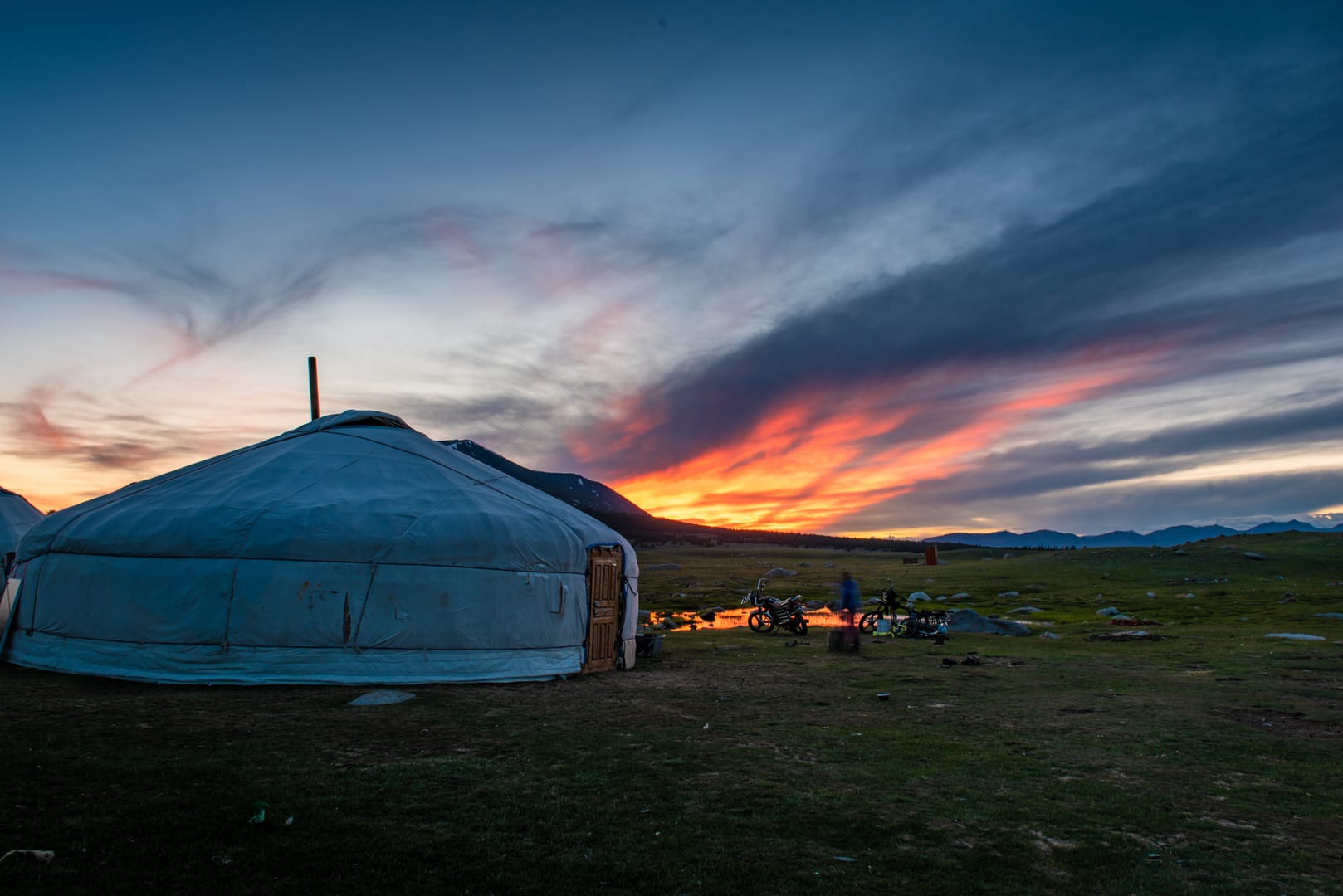
A well planned Mongolia day starts with the coldest conditions. Mornings at a ger camp can be close to freezing even after a warm afternoon, so dress fully before breakfast and remove layers gradually. Midday sun feels strong at altitude and in open steppe, making water, sunscreen and a brimmed hat essential. Wind often rises later, especially across exposed plains and desert basins.
Keep your waterproof shell, gloves and a warm hat in a small day bag rather than buried in the main luggage. Drivers may need to stop or change tracks after rain, and you could be outside longer than expected during a viewpoint or family visit. A flask of warm water and an easy snack add comfort during delays.
At sunset, temperatures fall quickly. Change out of damp clothing before dinner and prepare sleepwear before the ger becomes cold. This routine is particularly useful for children and older travellers. Your guide will adjust departures, walks and outdoor meals when conditions change, so treat the timetable as a working plan rather than a promise to reach every stop at an exact hour.
How a Mongolia travel specialist plans a weather aware route
Use the monthly pattern to select the region, then confirm that camps, roads and flights operate during the chosen period. Mongolia looks simple on a map, but scale, road conditions, limited flights and changing weather decide what is comfortable. Start with the one experience that matters most, then build the route around it.
Keep city nights, countryside nights and travel days visually separate when reviewing the itinerary. A short distance can take longer than expected once the paved road ends. Two or three nights in an important region usually create a better experience than a sequence of single night stops.
Reserve the least flexible element first. This could be a domestic flight to Ulgii, a ger camp with limited rooms, the Golden Eagle Festival, a Naadam programme or a family visit arranged through a trusted local partner. The SoulTrips guide to booking ahead gives you a useful planning timeline.
Common planning mistakes
- Packing for the warmest daytime temperature instead of the coldest night.
- Assuming summer rain cannot disrupt an earth road.
- Using a Ulaanbaatar forecast for the Gobi, Khovsgol or Altai.
- Scheduling a remote flight and international departure on the same day.
These mistakes are easy to prevent with a focused route, realistic driving times and one weather buffer. Keep daily plans flexible around storms and wind, and place the spare night before the international departure rather than at the start.
Make the final plan work on the ground
Review a weather aware route one last time with the local team before paying the final balance. Confirm the real driving hours, meal arrangements, bathroom standard, heating, luggage limits and the point where mobile coverage becomes unreliable. Ask which day is most exposed to weather and what the practical alternative will be.
Keep one flexible half day in Ulaanbaatar and one complete night before the international departure. This margin gives the guide room to respond to a delayed domestic flight, a difficult road or a camp change without removing the experience that matters most.
Share medical needs, dietary requirements and mobility concerns clearly. A specialist can adjust the vehicle, room location, walking route and meal plan only when the details are known in advance. Carry the confirmed programme offline, but expect the guide to refine each day using current local conditions. That balance of preparation and flexibility is the key to travelling comfortably across Mongolia.
Practical advice for different travellers
First time visitors
Choose June to early September and carry layers for every region, even when the city forecast looks warm. The SoulTrips Mongolia culture and wilderness journey is a useful model because it balances Ulaanbaatar, central history, sand dunes, nomadic encounters and Terelj without trying to cross the whole country.
Solo travellers
Use an experienced local guide and driver outside Ulaanbaatar. Remote roads, limited mobile coverage and great distances make improvised solo transport difficult. Share the route with someone at home and keep the guide's local contact details offline.
Families
Use the warmer season, keep dry clothing accessible and plan indoor or vehicle breaks during wind and storms. Build in regular toilet stops, warm layers, familiar snacks and quiet time at camp. Horse and camel activities need properly fitted equipment, clear supervision and a pace suited to the least confident rider.
Older travellers and travellers with mobility concerns
Avoid icy winter surfaces and muddy spring tracks unless specialist assistance and suitable facilities are confirmed. Ger thresholds, uneven ground, basic bathrooms and long vehicle days can be demanding. Ask for photographs and exact walking descriptions, then request private facilities, a western toilet and the ger closest to the main building where possible.
Responsible travel and safety
Follow local decisions on road closures, water crossings and fire risk instead of pushing ahead for a fixed photograph or schedule. Mongolia's open landscape can look empty, but it supports families, livestock, wildlife and fragile water sources. Stay on established tracks when instructed, carry rubbish out and never photograph people at close range without permission.
Weather can change quickly. Carry warm layers, drinking water, sun protection and a basic personal medicine kit even on a summer day. Follow your guide during storms, strong wind, wildfire conditions or flooding, and do not separate from the vehicle in remote country.
Travel insurance should cover medical treatment, evacuation, domestic flight disruption and the activities in your itinerary. Mobile coverage becomes limited beyond settlements, so a good operator carries communication and contingency plans that match the route.
Review the SoulTrips Mongolia destination guide for related planning articles and browse SoulTrips travel tips before departure.
Frequently asked questions
-
What is the warmest month in Mongolia?
July is usually the warmest month. The Gobi can be hot during the day, while mountain and lake regions remain cooler at night.
-
What is the coldest month in Mongolia?
January is normally the coldest month. Severe temperatures continue through February and require specialist clothing and transport.
-
Does it rain much in Mongolia?
Mongolia is dry overall, but most rain falls in summer. Short storms can still flood tracks and disrupt road travel.
-
Does Mongolia get snow in September?
Yes, snow is possible in the Altai and other high or western areas during September. Frost is common at night.
-
Is the Gobi Desert hot all year?
No. The Gobi has hot summer days but cold nights, and winter is extremely cold and windy.
-
What should you wear in Mongolia in July?
Wear breathable daytime clothing and carry a fleece, waterproof jacket and warm evening layer. Add a hat, sunscreen and sturdy shoes.
-
Is April a good month for Mongolia?
April is windy, dusty and highly changeable. It suits flexible travellers but not a standard first trip built around open camps.
-
When does the Mongolia travel season begin?
Many countryside programmes begin from late May or June. Exact camp openings depend on the region, weather and annual operating plan.
-
How reliable are weather forecasts in remote Mongolia?
Forecasts help, but local conditions vary across valleys, passes and desert routes. Review the next day with your guide every evening.
-
Can SoulTrips plan around Mongolia weather?
Yes. Plan your Mongolia journey with the season, region and comfort level in mind, including buffers for road and flight disruption.
Use Mongolia weather by month to plan well
Mongolia weather by month gives you a framework, but the safest trip keeps room for local conditions. Choose a suitable season, carry layers and protect the final departure with a buffer. Explore SoulTrips Mongolia journeys or contact a specialist for a route designed around real seasonal conditions.