By Soul Trips · Updated on 25 September, 2026
Where to Stay in China: Best Areas, Hotels and Unique Stays
Deciding where to stay in China is about more than choosing a star rating. Location affects traffic, walking time, station access and the atmosphere you experience after sightseeing. A smaller central hotel can be more useful than a larger room far outside the city.
China offers international brands, strong domestic hotels, heritage properties, mountain lodges and luxury trains. Standards vary, so look at the exact property, room category and facilities rather than a broad label.
Use the SoulTrips China destination guide to shape your route, then choose accommodation that supports each day.
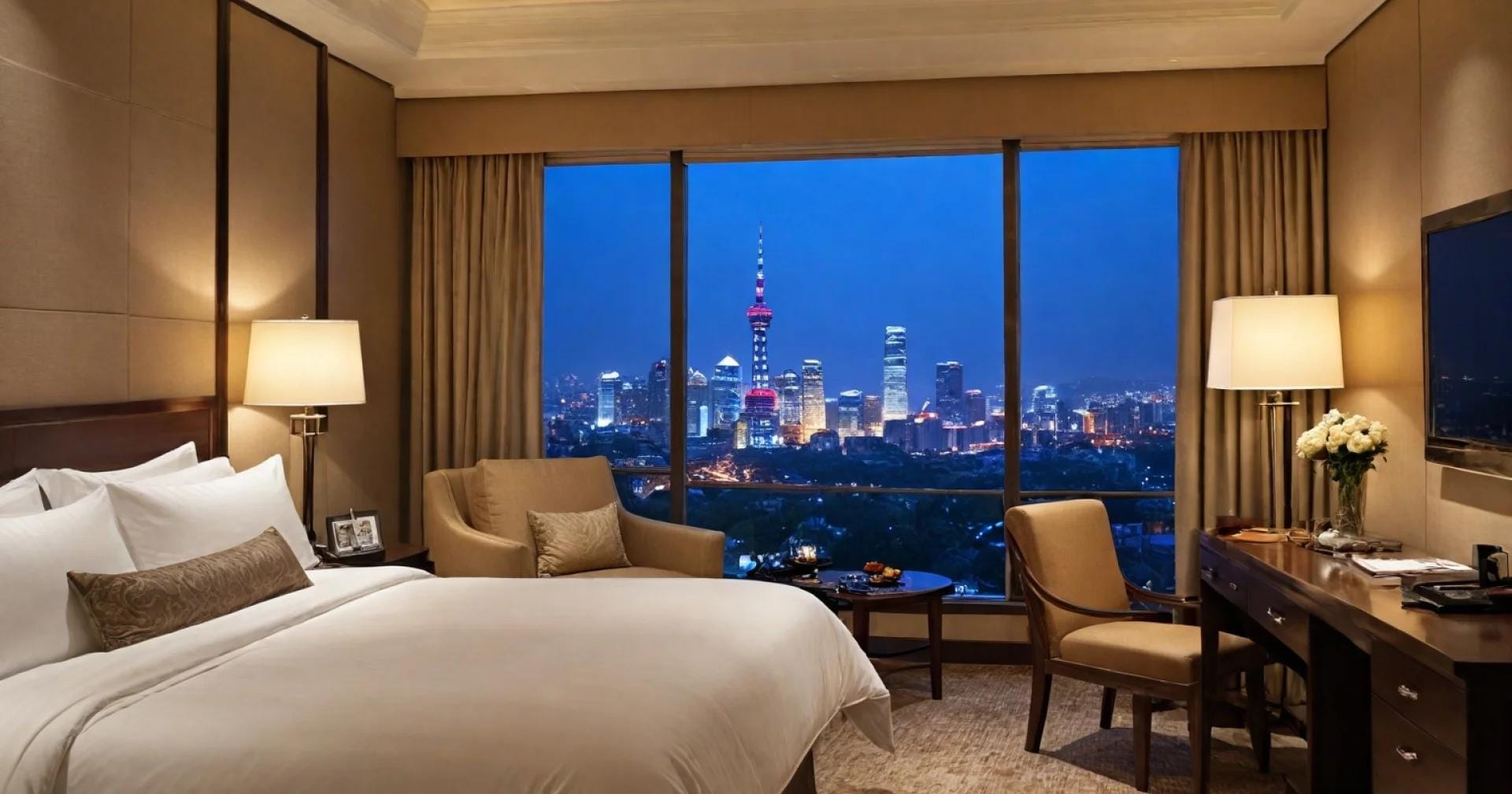
Where to stay in China at a glance
- Beijing: central historic districts for first visits.
- Shanghai: the Bund, former concession areas or Jing'an for city access.
- Xi'an: inside or near the city wall.
- Chengdu: central districts near parks, dining and metro links.
- Kunming: central access or convenient rail connections.
- Dali and Lijiang: old town atmosphere or quieter outskirts.
- Zhangjiajie: city, Wulingyuan or Tianmen Mountain according to the programme.
- Xinjiang: carefully selected city hotels and scenic properties.
- Chaoshan: central hotels in Chaozhou and Shantou.
The best area is the one closest to your actual itinerary.
Understanding hotel standards
Star ratings do not always compare directly across brands or countries. A modern domestic four star hotel can offer excellent rooms but limited English. An international brand may provide familiar service at a higher rate.
Ask about room size, bedding, breakfast, lifts, air conditioning and smoking policy. Confirm that the booked room is in the main building if a property has several wings.
Recent reviews help identify maintenance and noise issues, but read patterns rather than one extreme comment.
International hotels
International brands suit travellers who value familiar bedding, English speaking service, broad breakfast and loyalty benefits. They are useful on arrival nights and before an international departure.
The trade off can be price and a more generic atmosphere. You can combine an international city hotel with distinctive regional stays later.
Brand standards still vary by property. Check the exact location and renovation history.
Domestic hotels
Chinese hotel groups often provide strong value, modern design and convenient locations. Staff English can vary, but a guide handles check in and communication.
Domestic breakfast may focus on congee, noodles, vegetables and buns. This can become a pleasant cultural introduction rather than a drawback.
Some hotels mainly serve local business travellers. Confirm foreign guest registration capability before independent booking.
Boutique and heritage stays
Boutique hotels can connect you with old lanes, local architecture and smaller scale service. Yunnan and historic neighbourhoods offer appealing examples.

Access is the main question. Cars may not reach the door, lifts may be absent and soundproofing can be limited in restored buildings.
Ask how luggage is moved and how far you need to walk. Charm should not create an avoidable mobility problem.
Where to stay in Beijing
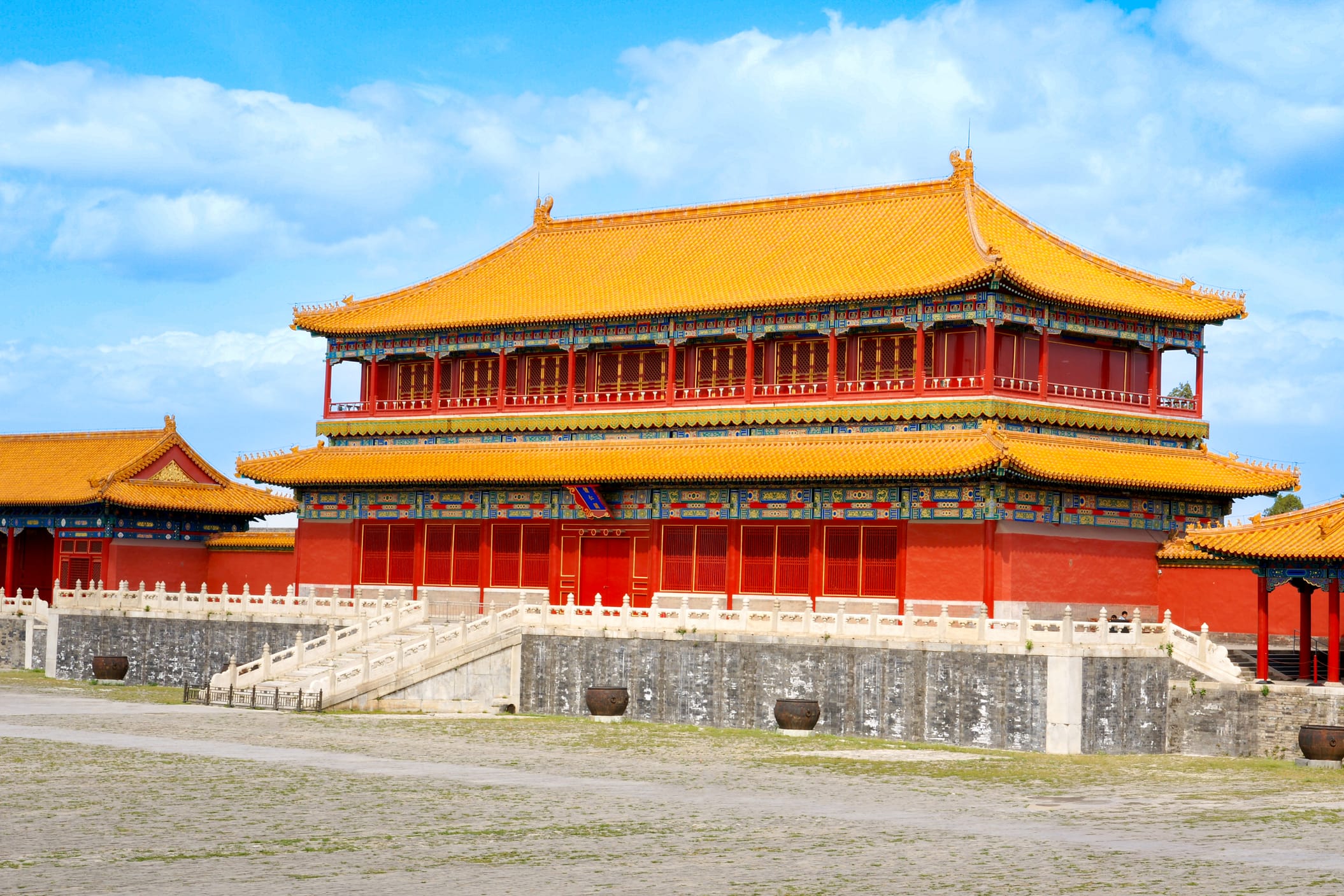
First time visitors benefit from a central area with reasonable access to the Forbidden City, Temple of Heaven and neighbourhood dining. Wangfujing is convenient and hotel rich. Qianmen offers historic atmosphere and access to central sights. Dongcheng covers a broad area with hutong lanes and cultural attractions.
Sanlitun suits nightlife, dining and contemporary city energy but sits farther from some imperial sites. The central business district offers modern luxury hotels and skyline views.
For the Great Wall, most travellers remain in Beijing and make a day trip. One night near the wall can create a quieter experience but adds another hotel change.
Where to stay in Shanghai
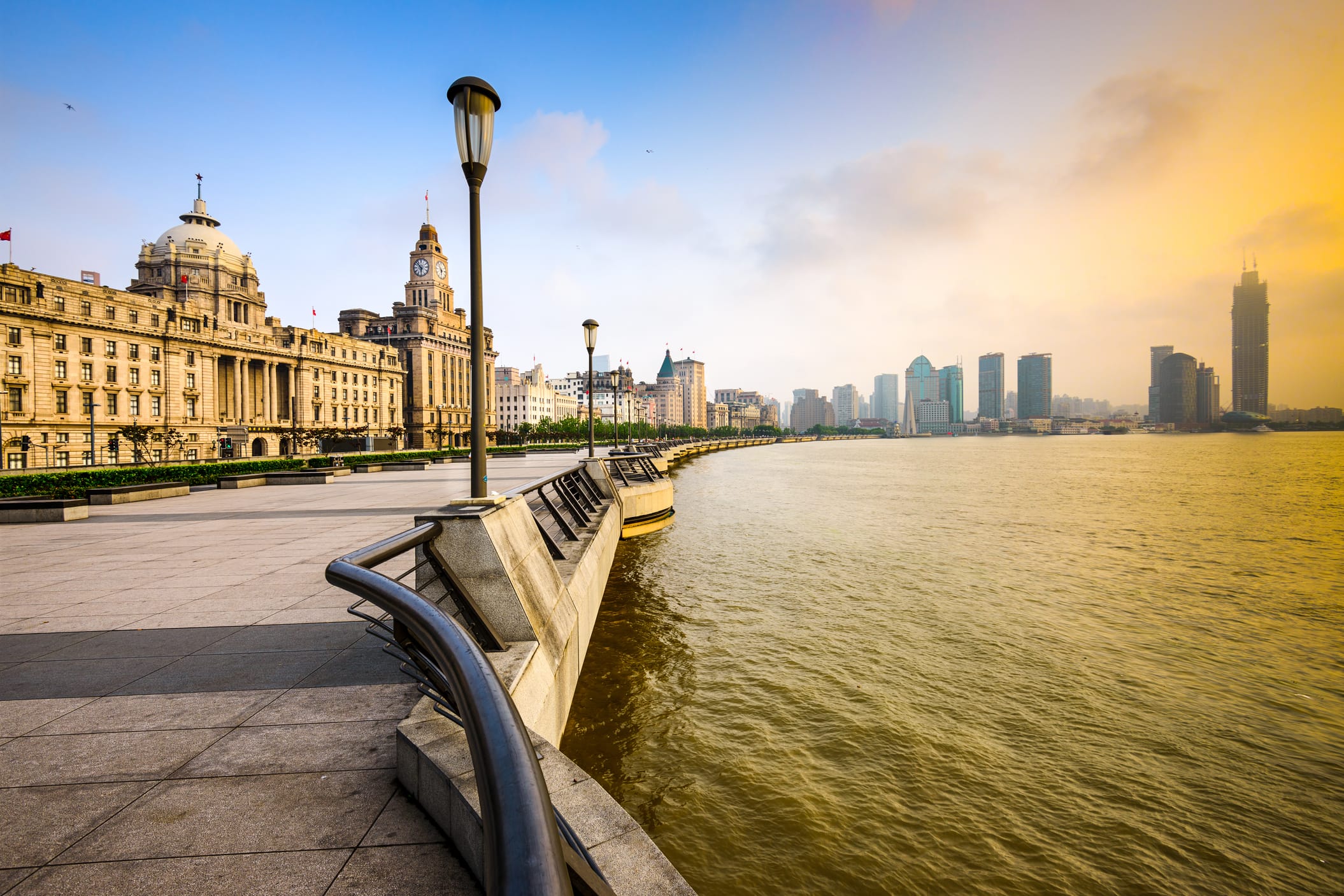
The Bund offers iconic river views and grand hotels. Prices reflect the location, and rooms without a view can differ greatly from promotional images.
Former concession neighbourhoods suit travellers who enjoy leafy streets, cafés and smaller hotels. Jing'an provides shopping, dining and metro access. Pudong works for business or skyline hotels but can feel removed from older neighbourhoods.
Choose airport access according to the final flight. Pudong Airport is far from central Shanghai, while Hongqiao connects closely with the high speed railway station.
Where to stay in Xi'an
Stay inside or near the city wall for easy access to evening walks, food and historic areas. The Bell Tower area is central but can be busy and noisy.
A quieter hotel near the south gate offers wall access and good transport. Properties farther out may provide larger rooms but require more daily driving.
The Terracotta Warriors are outside the centre. Most visitors make a guided day trip rather than changing hotels.
Where to stay in Chengdu
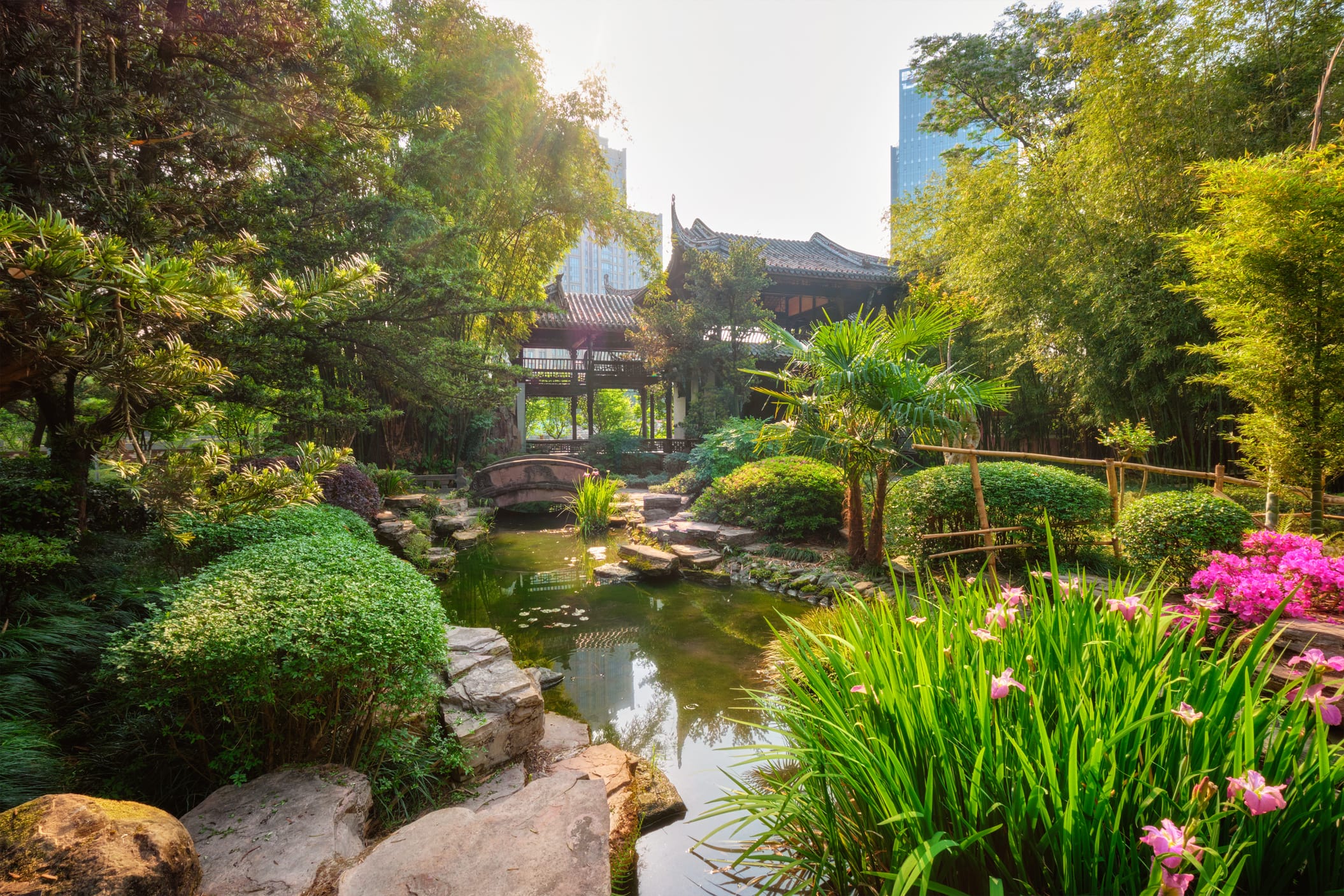
Central Chengdu suits tea houses, parks and food. Areas around Tianfu Square, Chunxi Road or Taikoo Li offer different balances of shopping and sightseeing.
Stay near a metro station if exploring independently. For a panda base visit, an early transfer from the centre remains practical.
Travellers joining the Chengdu to Xinjiang luxury rail journey should book a pre tour hotel with reliable transfers and enough time before boarding.
Where to stay in Kunming
Kunming is a gateway and deserves more than an airport sleep if time allows. A central hotel supports markets, parks and local dining.
If you have an early train, a property near the correct station can be useful. Kunming has more than one railway station, so check the ticket before choosing.
International brands and modern domestic hotels are widely available.
Where to stay in Dali
Dali Old Town provides atmosphere, restaurants and walking access. It can also be busy, and cars may not reach every property.
Accommodation near Erhai Lake offers views and a slower setting. Exact location matters because the lake is large. A remote property can lengthen sightseeing transfers.
Ask about heating, air conditioning and luggage access. Nights can be cooler than expected.
Where to stay in Lijiang
Lijiang Old Town is visually appealing, with lanes, courtyards and lively evenings. Stone paving and steps make wheeled luggage difficult.
A property near an old town entrance provides easier vehicle access. Quieter areas outside the centre suit travellers who value sleep and mountain views.
Soundproofing, heating and lift access vary in heritage buildings. Review the exact room rather than the property gallery alone.
Where to stay in Shangri La
Shangri La is high and cold at night. Heating, hot water and room comfort matter more than decorative style.
The old town offers character, while properties outside it may provide vehicle access and quieter rooms. Some premium hotels offer oxygen support, but this does not replace gradual acclimatisation or medical care.
Read how to prepare for high altitude before booking. The Grand Yunnan Journey shows a gradual route.
Where to stay in Zhangjiajie
Choose the base according to the scenic areas. Wulingyuan is convenient for the national forest park. Zhangjiajie city suits transport connections and Tianmen Mountain.
Staying in the wrong area can add long drives each morning. A split stay may help if the programme includes both zones, but it creates another packing day.
Mountain weather is damp. Check heating, dehumidification and recent reviews. Travellers with limited mobility should ask about steps from the road to the lobby.
Where to stay in Chaoshan
Chaozhou and Shantou work best as separate bases on a regional journey. Chaozhou places you near the ancient city and heritage streets. Shantou offers modern hotels, coastal access and dining.
The Authentic Chaoshan journey uses selected four star hotels and private transport across the region.
English service may be limited, which makes a local guide useful. Location and cleanliness matter more than a famous international name.
Where to stay in Xinjiang
Xinjiang accommodation ranges from modern city hotels to scenic lodges and high plateau properties. Standards and availability change outside major centres.
In Urumqi, choose a reliable central hotel with good transfers. Kashgar's old city area provides atmosphere, while a modern hotel can offer stronger comfort after long touring days. Kanas and Hemu have limited inventory and seasonal operations.
At high altitude, heating and oxygen support may be offered in certain hotels. Confirm what the system actually provides and do not treat it as a medical guarantee.
Luxury trains as accommodation
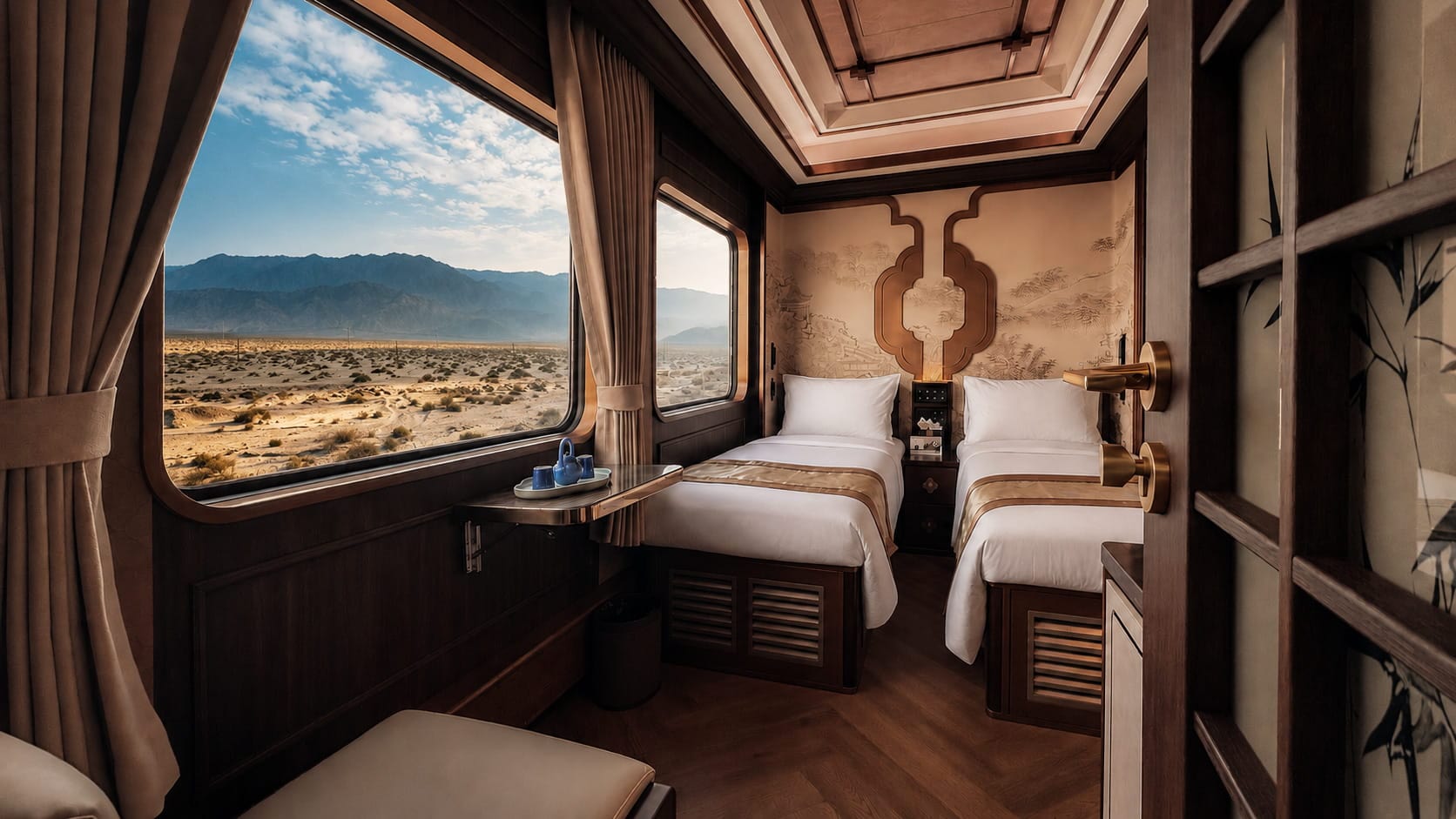
A luxury sleeper train combines transport and lodging. The Jinxiu Tianfu Panda Train offers private suites, onboard dining and several nights on the train within the SoulTrips programme.
Cabins are compact compared with hotel rooms. Review bed configuration, bathroom, storage and stairs before booking. The programme also uses premium hotels during land excursions.
The appeal is continuity. You unpack once for many sections and watch landscapes change from the train.
Hotels for families
Confirm connecting rooms, extra beds and occupancy rules before payment. A family room name does not guarantee space for every age.
Breakfast, laundry and a convenient location reduce daily effort. A pool may be welcome, but opening hours can limit its usefulness.
Avoid a remote hotel that requires long drives for every meal. Children often cope better with fewer hotel changes.
Hotels for older travellers
Ask about lifts, shower access, handrails, steps and distance from the vehicle drop off. A ground floor room is not always available.
Central locations shorten the day, while good soundproofing supports rest. Include consecutive nights rather than changing hotels for a small sightseeing gain.
Tell SoulTrips about weak knees or mobility aids at the planning stage.
Booking breakfast and meals
Breakfast inclusion is convenient on tour days. Check its operating hours before an early train or flight. A packed meal may need advance notice.
Half board can be useful in remote areas with few restaurants. In major cities, leaving dinners open creates freedom to explore.
Dietary needs should be shared in writing. Buffets do not automatically solve allergies or strict vegetarian requirements.
Smoking, air conditioning and room temperature
Request a non smoking room explicitly. Smoke odour can persist even when the current room policy is non smoking.
Air conditioning and heating may operate seasonally under central controls. Ask if individual temperature adjustment is important.
In Yunnan and scenic regions, night temperatures can feel colder than the city forecast. Check recent guest comments about heating.
Booking and cancellation terms
Popular hotels sell early in spring, autumn and public holidays. Distinctive scenic properties have less inventory than city chains.
Read deposit and cancellation rules. Some domestic rates become non refundable soon after booking. Special rail programmes use separate terms.
The SoulTrips guide to booking international travel in advance can help with timing.
Room types and bedding
Twin rooms, king rooms and family rooms can differ in size and availability. A twin room may use two narrow beds, while an extra bed can reduce the usable floor space.
Confirm the exact bedding for every traveller, especially for friends sharing, parents with older children and tall guests. Connecting rooms are requests until the hotel confirms them.
If you need a firm or soft pillow, ask in advance. International and premium domestic hotels may offer a pillow menu, while smaller properties have limited options.
Views and room location
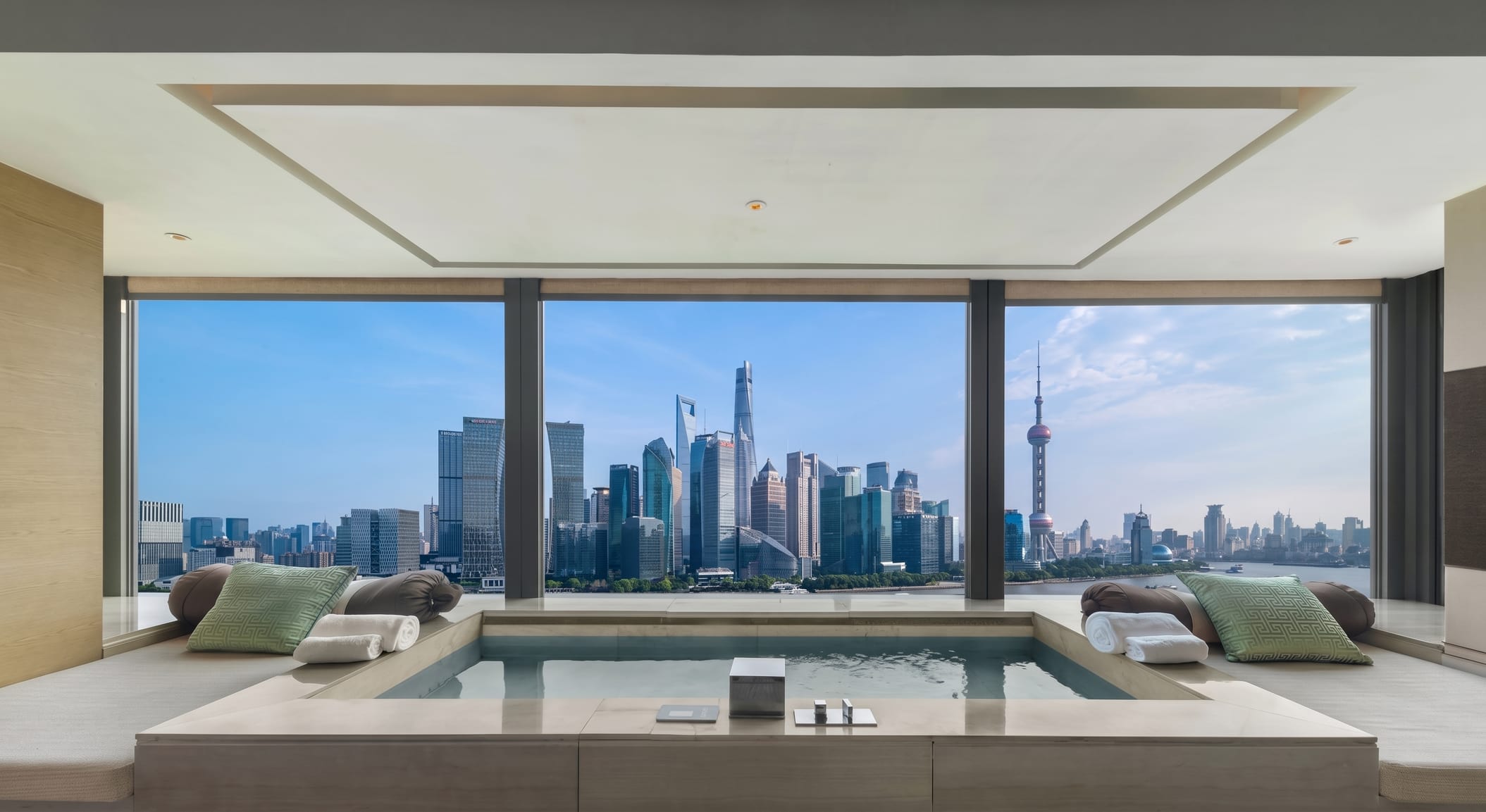
A river, mountain or old town view can improve a longer stay, but the room category must guarantee it. Marketing photographs often show the strongest view in the property.
High floors may reduce road noise, while courtyard rooms can feel calmer. In heritage hotels, rooms near common areas may hear evening activity.
Decide if the view matters enough to justify the price. On a one night transfer stay, location and sleep are usually more valuable.
Check in and deposits
Hotels register foreign guests using the passport. Keep it ready for every check in, and expect the process to take longer for a group.
A refundable deposit may be requested by card or mobile payment. Ask when and how it will be released. The timing can differ from your bank's posting schedule.
Confirm late arrival when a flight lands after midnight. A guaranteed reservation should not be mistaken for automatic knowledge of a delayed flight.
Common hotel mistakes
- Choosing by star rating alone.
- Ignoring the distance from planned sights.
- Booking the wrong station or airport area.
- Assuming an old town hotel has vehicle access.
- Forgetting lift and shower needs.
- Comparing rates without breakfast and taxes.
- Expecting English service everywhere.
- Adding too many one night stays.
Balancing hotel character and convenience
Use distinctive accommodation where the property adds something meaningful, then choose practical hotels on transfer nights. A courtyard stay in Yunnan can deepen the atmosphere, while an airport hotel may be the wiser choice before an early flight.
Review the daily plan beside a map. A remote resort can be excellent for rest but frustrating when most activities are in the city. Ask how long each transfer takes in normal and busy traffic. Confirm where the guide can meet you and if luggage assistance reaches the room. The best itinerary may combine several hotel styles rather than repeating one category throughout China.
Frequently asked questions
-
Which area is best for first time visitors to Beijing?
Central Dongcheng, Wangfujing or Qianmen work well for major historic sites. Choose the exact property according to walking and metro access.
-
Should I stay on the Bund in Shanghai?
It is ideal for iconic views and luxury hotels. Former concession or Jing'an areas may feel more residential and connected to neighbourhood life.
-
Are Chinese four star hotels good?
Many offer strong value and modern rooms. Check the individual property, location and recent reviews rather than relying on the category.
-
Is it better to stay inside Lijiang Old Town?
It provides atmosphere but can involve noise, stone lanes and limited vehicle access. A property near an entrance balances charm and convenience.
-
Where should I stay for Zhangjiajie National Forest Park?
Wulingyuan is usually the most convenient base for the park. Zhangjiajie city is better for Tianmen Mountain and transport hubs.
-
Do hotels in China accept foreign guests?
Most tourist hotels do, but small independent properties may have limited registration experience. Confirm before independent booking.
-
Do I need an international hotel brand?
No. Domestic hotels can be excellent. International brands provide familiar service and more reliable English support.
-
Are old town hotels accessible?
Accessibility varies. Stone lanes, steps and no lift are common, so request exact information before booking.
-
Is breakfast usually included?
It depends on the rate. Tour programmes often include it, while independent bookings may offer room only and breakfast options.
-
Can SoulTrips recommend specific hotels?
Yes. Recommendations can reflect route, budget, room preference, mobility and desired style, subject to availability.
Decide where to stay in China
The best answer to where to stay in China is the property that improves the whole day. Prioritise location, access, room comfort and reliable service, then add character where it genuinely enriches the route.
Use Plan My Trip or contact SoulTrips for a tailored hotel plan. Thoughtful accommodation choices make a large country feel more manageable.