By Soul Trips · Updated on 09 October, 2026
Where to Stay in Mongolia: Best Areas, Hotels and Unique Stays
Where to stay in Mongolia depends on the region and the comfort you need after long travel days. Use a central hotel in Ulaanbaatar, then choose tourist ger camps for countryside access. Add a family stay only when it is arranged respectfully and the facilities suit you.
Accommodation is part of the route rather than a separate decision. The SoulTrips Mongolia destination page shows how hotels and ger camps work together across two different journeys.
Where to stay in Mongolia at a glance
Use a mix of city hotels and countryside camps.
- Ulaanbaatar hotel: best for arrival, museums, supplies and final flight buffer.
- Tourist ger camp: best for central steppe, Terelj, Gobi and lake landscapes.
- Remote lodge: best when you want higher comfort in a specific region.
- Nomadic family stay: best for cultural connection with simple facilities.
- Ulgii hotel: best base around western flights and festivals.
- Khovsgol camp: best for several nights by the lake.
The SoulTrips Mongolia destination guide helps you compare the regions before choosing individual properties.
Best areas to stay in Ulaanbaatar
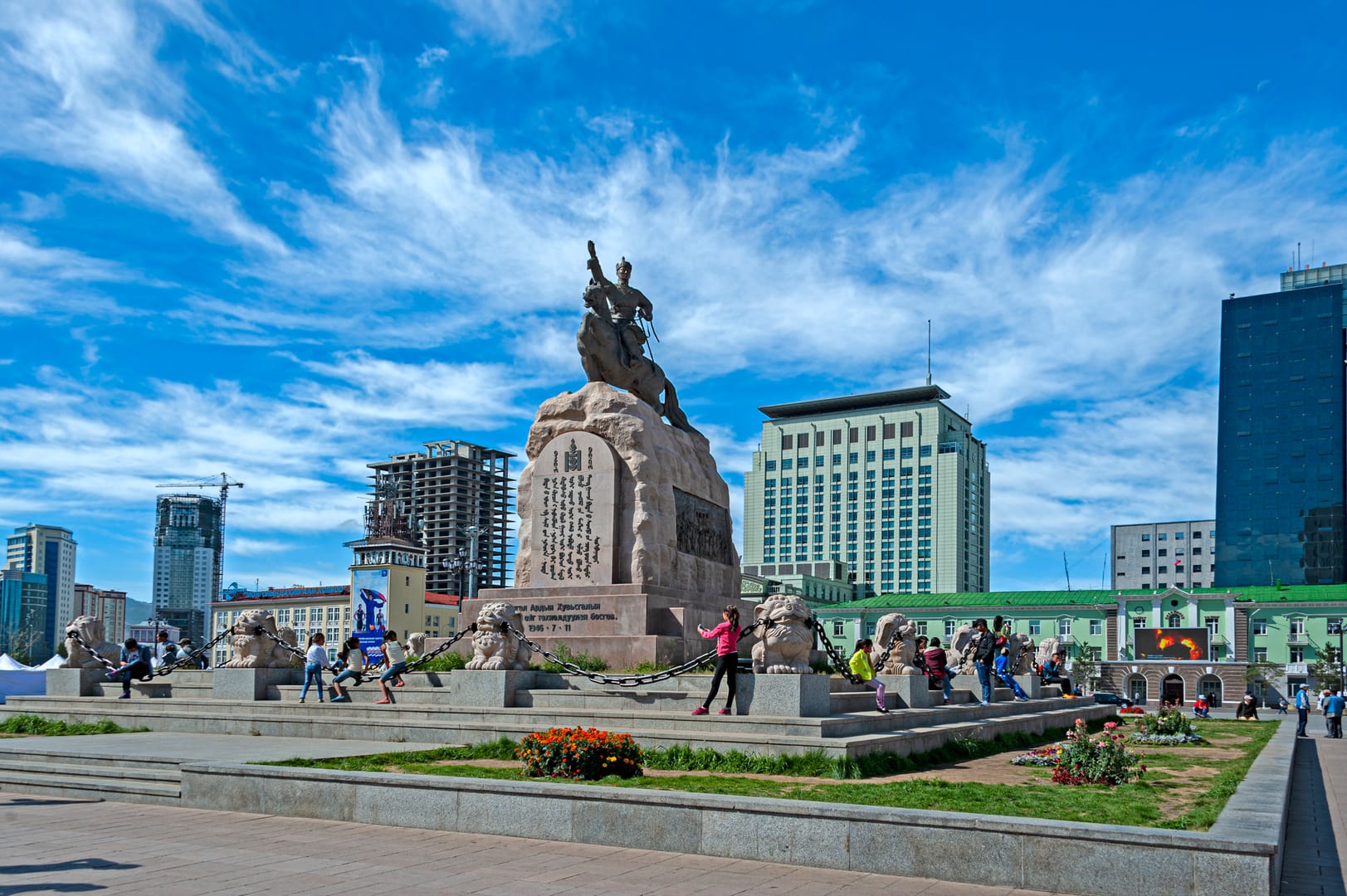
Choose a central area near the museums, restaurants and operator services you plan to use. Sukhbaatar Square and surrounding districts provide convenient access to major city sights.
Traffic matters more than a small difference in map distance. A hotel beside the correct side of the city can save time on airport or countryside departure mornings.
Request a quiet room away from a busy road, especially during summer when windows may be open. In winter, ask about indoor air filtration and heating control.
What to expect from a tourist ger camp
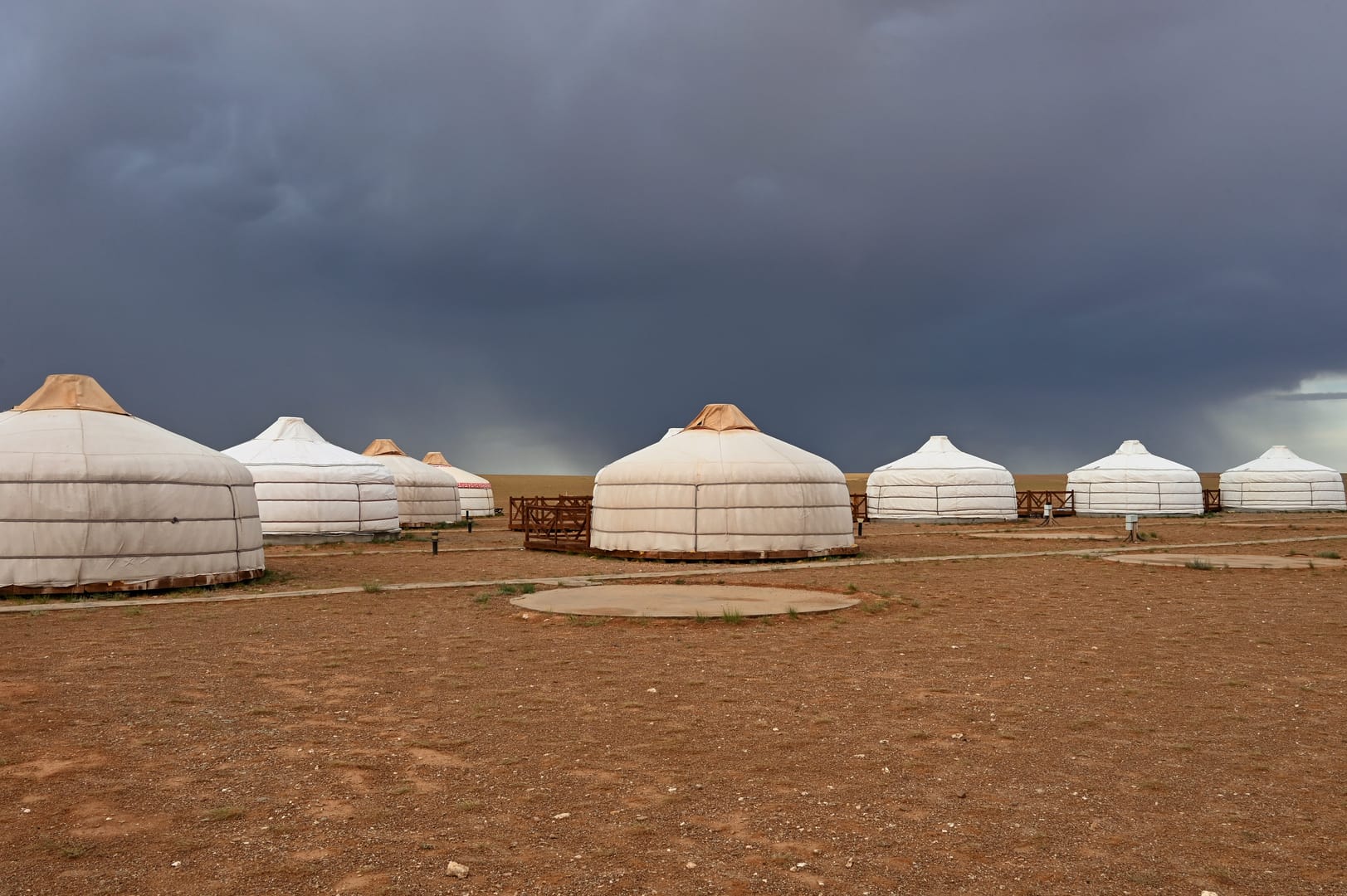
A tourist ger camp provides private sleeping gers around a central dining room. Bathrooms can be shared in a separate block or attached to higher comfort gers.
Beds usually have linen and blankets, while a stove provides heat. Staff can light or tend the stove, but the ger may cool before dawn. Confirm the arrangement during cold seasons.
Electricity, wireless access and hot water can run during set hours. Ask for exact facilities rather than relying on a broad comfort label.
Shared or private bathroom
Shared bathrooms are common and can be clean and well managed. The main issue is distance from the sleeping ger, especially at night or in rain and cold.
Private bathroom gers provide more convenience but are limited and cost more. Check water pressure, heating and drainage expectations because remote infrastructure differs from a city hotel.
Travellers with mobility concerns should request the ger closest to the dining and bathroom buildings.
Staying in Terelj
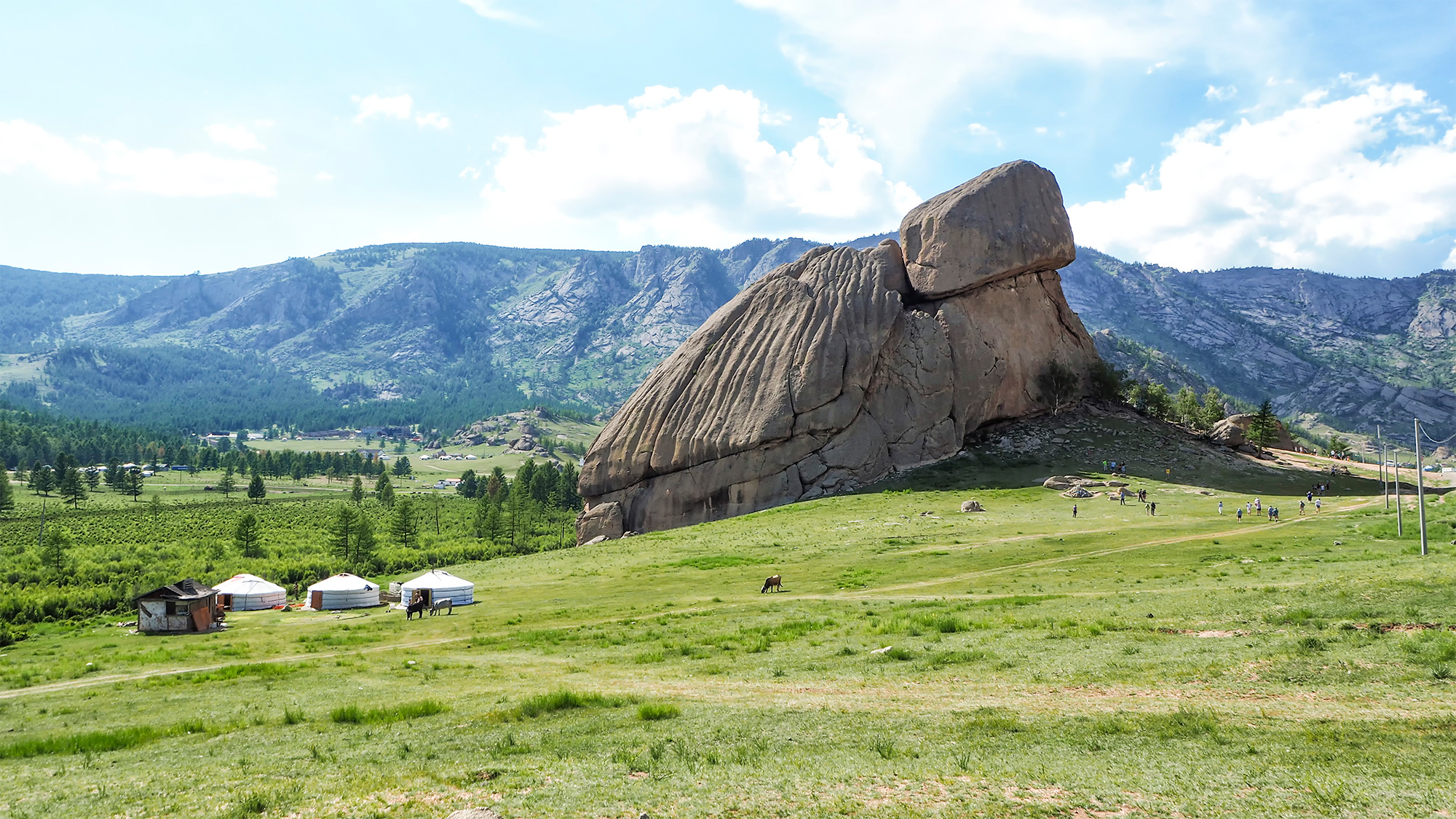
Terelj offers the widest range of countryside stays close to Ulaanbaatar. Some properties feel like full resorts, while others provide a simpler traditional camp.
Choose a quieter valley and stay at least two nights. A property near only the busiest roadside attractions can miss the sense of space that makes Terelj valuable.
The SoulTrips culture and wilderness tour includes a Terelj resort stay with time for temples, riding and nomadic hospitality.
Staying near Karakorum and Elsen Tasarkhai
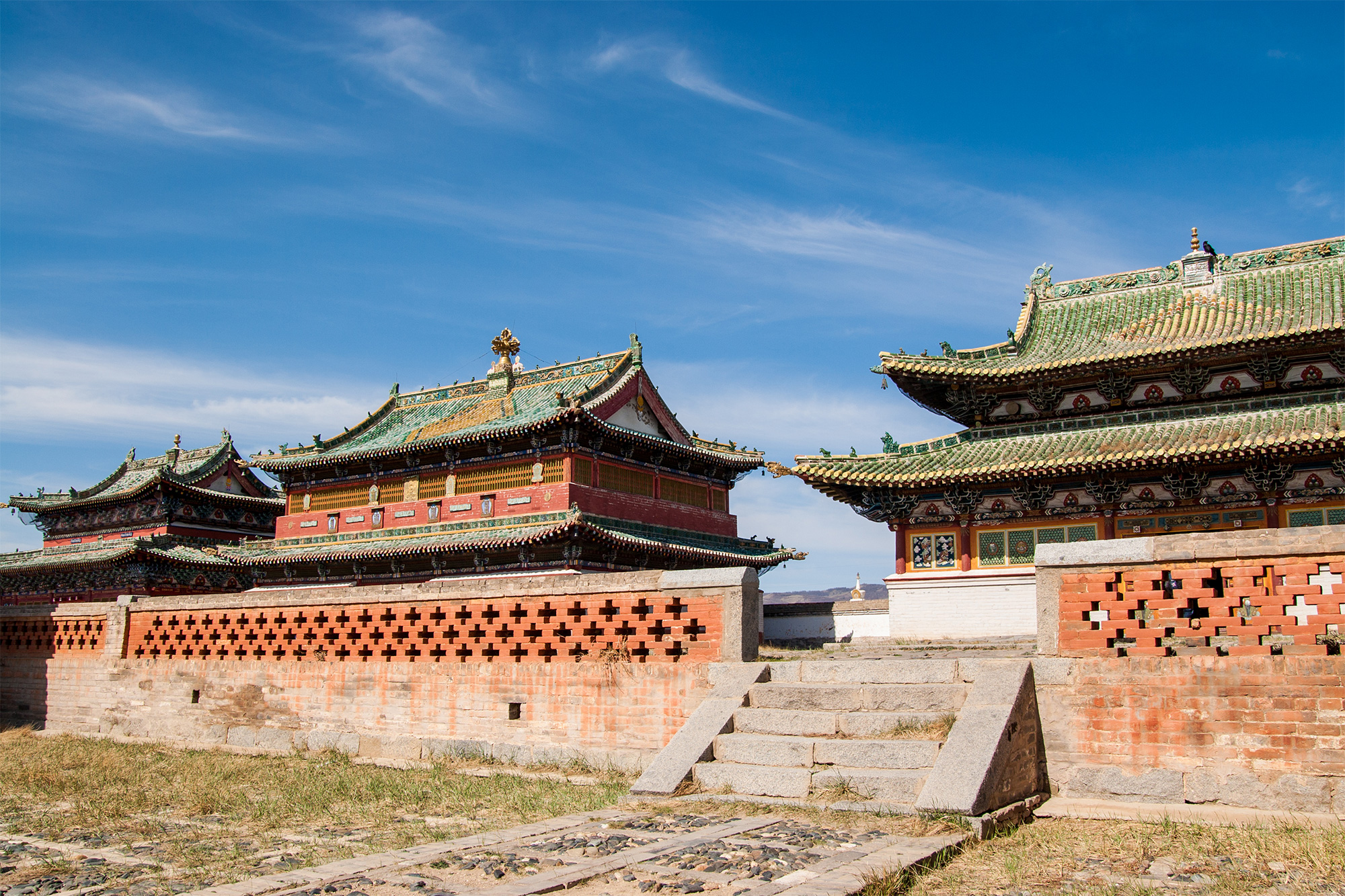
Central Mongolia camps support visits to dunes, Karakorum and the Orkhon Valley. A two night base reduces packing and gives you sunrise or sunset in the landscape.
Ask how far the camp is from each attraction and how much driving returns to the same road. A beautiful camp can still be impractical if the route backtracks for hours.
Heating becomes important from early autumn. Confirm the operating season and meal service rather than assuming every camp remains open.
Staying in the Gobi
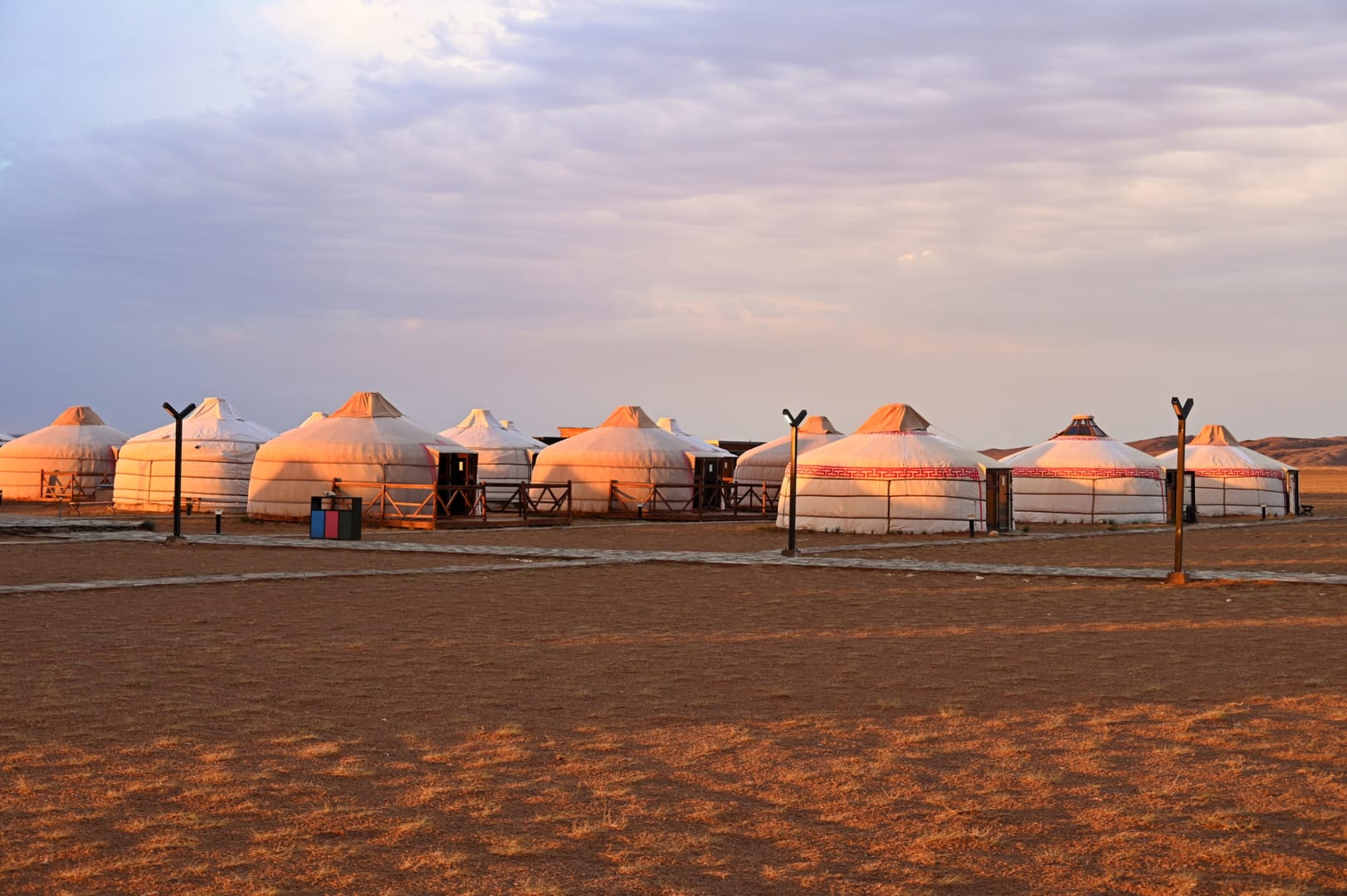
Gobi accommodation ranges from established tourist camps to higher comfort desert lodges. Locations are spread widely, so most circuits use more than one property.
Select camps around the route rather than one brand name. A well located simple camp can be more comfortable than a luxury property that adds a long drive.
Water is limited. Use showers thoughtfully, keep soap away from natural water sources and accept that pressure can be modest.
Staying at Lake Khovsgol
Choose a lake camp for at least three nights. Waterfront location, waste management, heating and access from Murun all matter.
Cabins can provide an alternative to gers, while some camps offer private bathrooms. Nights remain cool even in summer.
Avoid properties that place waste or grey water close to the lake. Good environmental practice protects the main reason you travelled there.
Staying in Ulgii and western Mongolia
Ulgii hotels are simpler than major city properties but provide a practical base before and after regional journeys. Early booking is essential around eagle festivals.
Outside town, family stays and seasonal camps provide access to Kazakh communities and Altai landscapes. Facilities can include outdoor toilets, limited washing and no mobile signal.
The SoulTrips Golden Eagle Festival tour uses a local hotel in Ulgii, which helps protect comfort around full festival days.
Nomadic family stays
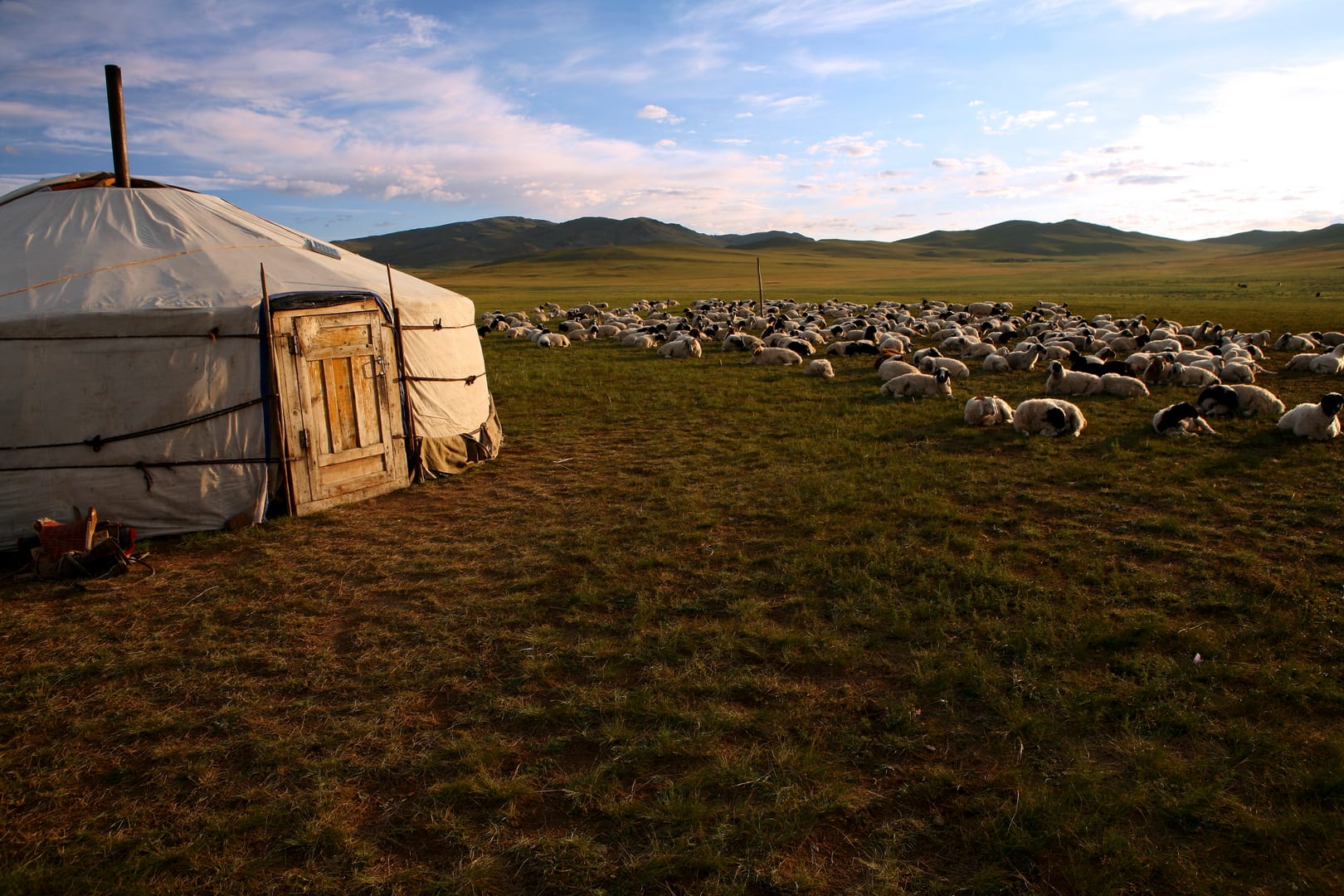
A family stay can be deeply meaningful when expectations are clear. You may sleep in a guest ger near the household, eat shared meals and observe daily livestock routines.
This is not a hotel. Privacy, toilets, washing and electricity can be very basic. Ask the operator to explain the household arrangement and how the family is compensated.
Bring a head torch, warm sleepwear and open curiosity. Do not expect the family to perform every activity on demand.
Unique stays and luxury camps
Higher comfort properties can provide private bathrooms, quality bedding, refined meals and stronger environmental systems. They still operate within remote conditions.
Spend more where comfort supports the journey, especially after long Gobi drives or for travellers who need private facilities. Do not assume a high rate removes dust, weather or limited connectivity.
Unique value comes from location, local design and time in the landscape, not decoration alone.
Accommodation for families
Confirm bed configuration, heating guards, private bathroom availability and distance between gers. Some camps can add an extra bed, while others need a second ger for older children.
Choose camps with open safe space but supervise children around stoves, animals and vehicles. Pack familiar sleep items and a head torch for every family member.
Avoid changing camp every night. Children settle more easily when they recognise the dining room and bathroom route.
Accommodation for older travellers
Ask for firm beds, chairs, western toilets and the ger closest to shared facilities. A stool can help with footwear at a low entrance.
Heating and night toilet access matter more than decorative upgrades. Request honest photographs and measurements before payment.
Use a city hotel with a lift and walk in shower where possible. A bathtub with a high side can be harder than a simpler accessible shower.
What to confirm before booking
Ask about bathroom type, hot water hours, electricity, heating, bedding, meals, dietary needs, luggage access, road time and mobile coverage.
Confirm the exact operating dates and cancellation terms. Camps can open or close around weather rather than a fixed national season.
Read the whole route together. Accommodation quality should remain reasonably consistent, or the operator should explain which night is intentionally simpler.
Check the room on arrival
Use the first few minutes to understand the practical details. In a city hotel, locate the heating control, safe, drinking water and emergency exit. At a ger camp, ask how the stove works, when electricity stops and which path leads to the bathroom after dark. Test the head torch before dinner rather than discovering a flat battery at night.
Report a maintenance issue immediately. A weak heater, damaged door latch or wet bathroom floor is easier to solve while staff are still active. Do not rearrange a stove, fuel supply or electrical cable yourself. Camp teams know the equipment and can make the room safe.
Keep boots, wet clothing and luggage in the area the staff recommends. Space inside a ger is compact, and blocking the door or stove creates a hazard. Store valuables discreetly and carry the passport as local identification rules require.
Before sleep, prepare warm clothing and shoes within reach. Temperatures can drop quickly if the stove burns down. Families should agree who will manage children during a night bathroom visit, and older travellers should keep a stable light on the safest route.
At departure, check under beds and around charging points. Tell the staff about anything broken or used from a paid minibar. A calm final check protects the next road day from a return journey for a passport, medicine or charger.
Booking timing
Book July, Khovsgol and eagle festival accommodation well ahead. Private bathroom gers and rooms for families are limited.
The SoulTrips booking guide explains when to secure the least flexible elements. For Mongolia, domestic flights and remote accommodation often belong in the first booking stage.
How a Mongolia travel specialist plans accommodation
Choose each stay for location, facilities and the recovery it provides after the preceding road day. Mongolia looks simple on a map, but scale, road conditions, limited flights and changing weather decide what is comfortable. Start with the one experience that matters most, then build the route around it.
Keep city nights, countryside nights and travel days visually separate when reviewing the itinerary. A short distance can take longer than expected once the paved road ends. Two or three nights in an important region usually create a better experience than a sequence of single night stops.
Reserve the least flexible element first. This could be a domestic flight to Ulgii, a ger camp with limited rooms, the Golden Eagle Festival, a Naadam programme or a family visit arranged through a trusted local partner. The SoulTrips guide to booking ahead gives you a useful planning timeline.
Common planning mistakes
- Choosing a camp from photographs without checking bathroom distance and heating.
- Assuming a family stay operates like a hotel.
- Paying for luxury that adds several hours of backtracking.
- Changing accommodation every night during a central route.
These mistakes are easy to prevent with a focused route, realistic driving times and one weather buffer. Use at least two nights in important camps and keep a proper city hotel before the international departure.
Make the final plan work on the ground
Review accommodation one last time with the local team before paying the final balance. Confirm the real driving hours, meal arrangements, bathroom standard, heating, luggage limits and the point where mobile coverage becomes unreliable. Ask which day is most exposed to weather and what the practical alternative will be.
Keep one flexible half day in Ulaanbaatar and one complete night before the international departure. This margin gives the guide room to respond to a delayed domestic flight, a difficult road or a camp change without removing the experience that matters most.
Share medical needs, dietary requirements and mobility concerns clearly. A specialist can adjust the vehicle, room location, walking route and meal plan only when the details are known in advance. Carry the confirmed programme offline, but expect the guide to refine each day using current local conditions. That balance of preparation and flexibility is the key to travelling comfortably across Mongolia.
Practical advice for different travellers
First time visitors
Use a central Ulaanbaatar hotel and comfortable tourist ger camps with clear bathroom and heating standards. The SoulTrips Mongolia culture and wilderness journey is a useful model because it balances Ulaanbaatar, central history, sand dunes, nomadic encounters and Terelj without trying to cross the whole country.
Solo travellers
Use an experienced local guide and driver outside Ulaanbaatar. Remote roads, limited mobile coverage and great distances make improvised solo transport difficult. Share the route with someone at home and keep the guide's local contact details offline.
Families
Request family bed arrangements, private facilities and safe stove management before confirming the camp. Build in regular toilet stops, warm layers, familiar snacks and quiet time at camp. Horse and camel activities need properly fitted equipment, clear supervision and a pace suited to the least confident rider.
Older travellers and travellers with mobility concerns
Prioritise level access, nearby bathrooms, firm seating and a city hotel with a lift. Ger thresholds, uneven ground, basic bathrooms and long vehicle days can be demanding. Ask for photographs and exact walking descriptions, then request private facilities, a western toilet and the ger closest to the main building where possible.
Responsible travel and safety
Choose properties with responsible waste and water systems and family stays that provide fair local compensation. Mongolia's open landscape can look empty, but it supports families, livestock, wildlife and fragile water sources. Stay on established tracks when instructed, carry rubbish out and never photograph people at close range without permission.
Weather can change quickly. Carry warm layers, drinking water, sun protection and a basic personal medicine kit even on a summer day. Follow your guide during storms, strong wind, wildfire conditions or flooding, and do not separate from the vehicle in remote country.
Travel insurance should cover medical treatment, evacuation, domestic flight disruption and the activities in your itinerary. Mobile coverage becomes limited beyond settlements, so a good operator carries communication and contingency plans that match the route.
Review the SoulTrips Mongolia destination guide for related planning articles and browse SoulTrips travel tips before departure.
Frequently asked questions
-
What is the best area to stay in Ulaanbaatar?
Stay near Sukhbaatar Square and the central sights for a first visit. Also consider traffic direction for airport and countryside departures.
-
What is a tourist ger camp?
It is a countryside property with private sleeping gers, a central dining room and shared or private bathrooms. Facilities vary greatly.
-
Do ger camps have private bathrooms?
Some higher comfort gers do, while many camps use a clean shared block. Confirm the exact room category before booking.
-
Are ger camps warm at night?
A stove heats the ger, but the room can cool before dawn. Confirm how staff manage heating in cold weather.
-
Can you stay with a nomadic family?
Yes through a trusted local arrangement. Expect simple toilets, limited washing and a household experience rather than hotel service.
-
Where should you stay in the Gobi?
Use camps that match the route around the major landscapes. Location and road time matter more than one property name.
-
How many nights should you stay at Lake Khovsgol?
Plan at least three nights after the transfer from Murun. This gives you time for weather, activities and rest.
-
Are Mongolia hotels suitable for older travellers?
Many Ulaanbaatar hotels have lifts and familiar facilities. Countryside camps need more detailed access checks.
-
How early should you book ger camps?
Book early for July, family room needs, private bathrooms and eagle festival travel. Limited camps can fill many months ahead.
-
Can SoulTrips choose suitable accommodation?
Yes. Use SoulTrips trip planning to match hotels and camps to your route, budget and comfort needs.
Choose where to stay in Mongolia around the journey
Where to stay in Mongolia is a route decision as much as a room decision. Use city hotels for recovery, ger camps for landscape and family stays for carefully arranged cultural connection. Explore SoulTrips Mongolia tours or contact the team to select accommodation with honest comfort expectations.