

Discover the Buddhist Circuit aboard a tourist train. Explore Bodhgaya, Nalanda, Sarnath, Lumbini, Kushinagar and Agra on an unforgettable 8-day journey.
Buddhism began in India more than 2,600 years ago. After attaining Enlightenment beneath the Bodhi Tree at the age of 35, the Buddha spent the next 45 years travelling across northern India, sharing His teachings and guiding people towards the path of wisdom and compassion. During this time, many places associated with His life became deeply significant. Today, these locations are among the world's most important Buddhist pilgrimage sites.
Following the Buddha's passing at the age of 80, His foremost disciples gathered for the First Buddhist Council to preserve and codify His teachings. A century later, the Second Buddhist Council was held in Vaishali, a city the Buddha had visited many times. The Third Buddhist Council took place in Pataliputra (modern-day Patna) during the reign of Emperor Ashoka (268 BC to 232 BC), whose patronage played a pivotal role in spreading Buddhism across Asia. The Fourth Buddhist Council was later convened in Kashmir during the reign of Emperor Kanishka (c. AD 127 to 150), further shaping the development of Buddhist philosophy and scholarship.
For more than a thousand years, Buddhism flourished across the Indian subcontinent. Magnificent monasteries, universities and temples were built, attracting monks, scholars and pilgrims from across Asia. Over time, however, Buddhism gradually declined in India due to a combination of political upheaval, foreign invasions and the resurgence of other religious traditions. Many once-thriving Buddhist centres fell into ruin and were eventually forgotten.
Interest in India's Buddhist heritage was revived during the nineteenth century through archaeological exploration. Sir Alexander Cunningham, often regarded as the father of Indian archaeology, led excavations that uncovered many of the country's most significant Buddhist monuments. In 1891, the Sri Lankan reformer Anagarika Dharmapala founded the Mahabodhi Society at Bodhgaya, helping restore the importance of Buddhism's holiest sites. Since then, the Archaeological Survey of India has continued to excavate and preserve Buddhist monuments, with new discoveries still being made today. Most major pilgrimage sites now feature museums displaying remarkable collections of sculptures, inscriptions, relics and other archaeological treasures.
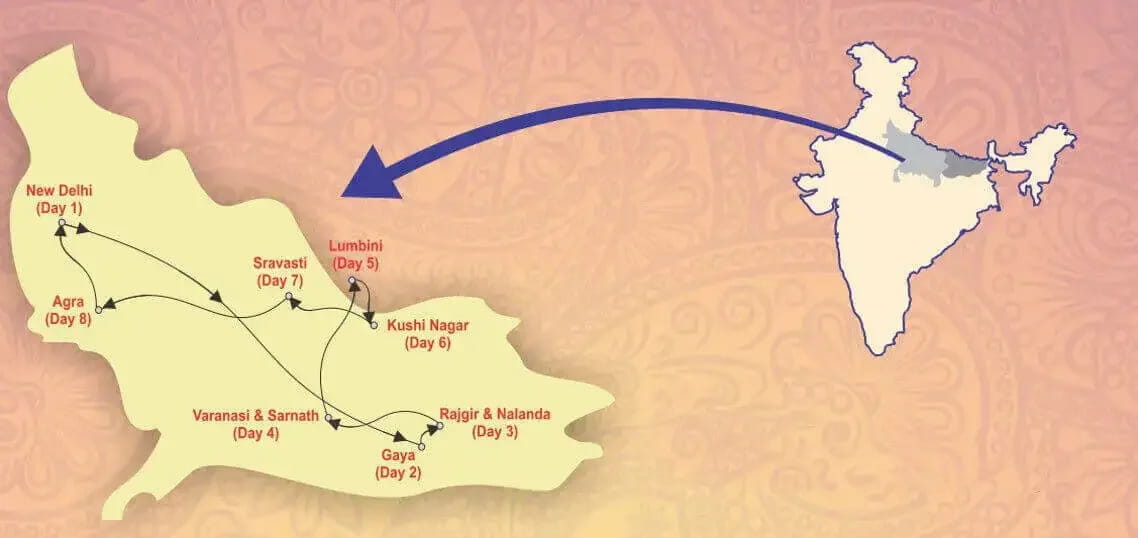
Today, Buddhist pilgrims from around the world follow in the footsteps of the Buddha by visiting these sacred places:
| Day / Date | Major Destinations Covered | Primary Stay Location | Key Sightseeing Highlights |
| Day 1 | New Delhi | Onboard Train | Boarding at Safdarjung, evening luxury rail journey |
| Day 2 | Gaya & Bodhgaya | Bodhgaya Hotel (4 Equivalent)* | Mahabodhi Temple, Bodhi Tree, Thai & Japanese Monasteries |
| Day 3 | Rajgir & Nalanda | Onboard Train | Gridhakuta Hill, Venuvan Monastery, Ancient Nalanda University ruins |
| Day 4 | Varanasi & Sarnath | Onboard Train | Dhamekh Stupa, Ganges boat ride, Holy Evening Aarti |
| Day 5 | Lumbini (Nepal) | Lumbini Hotel (4 Equivalent)* | Cross border to Nepal, Mayadevi Temple, Ashokan Pillar |
| Day 6 | Kushinagar | Onboard Train | Mahaparinirvan Temple (Reclining Buddha), Rambhar Stupa |
| Day 7 | Sravasti | Onboard Train | Jetavana Vihara, Pakki Kuti, overnight transit to Agra |
| Day 8 | Agra & New Delhi | Tour Ends | Visit the Taj Mahal, return to Delhi |
Together, these sacred destinations trace the remarkable journey of the Buddha, from His birth and Enlightenment to His teachings and final passing. Visiting them offers not only historical insight but also an opportunity for reflection, allowing pilgrims to deepen their understanding of Buddhism while walking the same paths the Buddha travelled more than two and a half millennia ago.
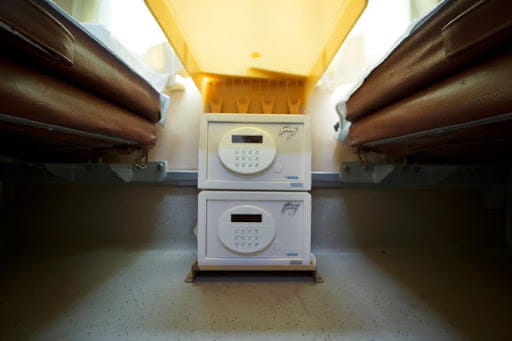
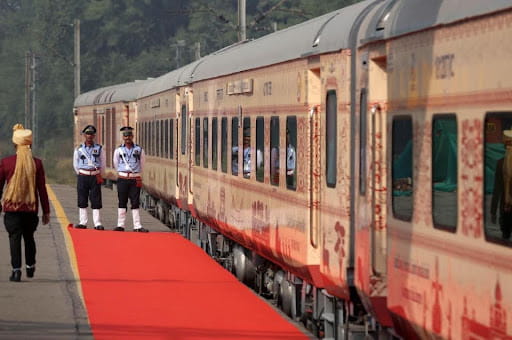
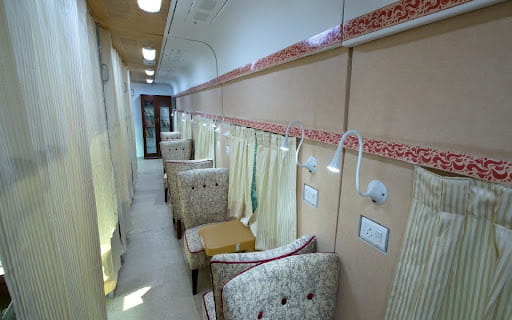
The Buddhist Circuit Tourist Train is a dedicated, fully air-conditioned service designed exclusively for travellers on this pilgrimage journey. It is reserved solely for guests booked on the Buddhist Circuit tour, ensuring a comfortable and seamless travel experience throughout the itinerary.
Please note: The timings and travel details provided below are for reference only. Actual departure and arrival times may vary due to road traffic, railway operations, track clearance, weather conditions, or other operational factors. For the most up-to-date schedule, kindly drop us an email at hello@soultrips.co.
19th December 2026 - 26th December 2026
2nd January 2027 - 9th January 2027
20th February 2027 - 27th February 2027
20th March 2027 - 27th March 2027
Kindly get in touch with us at hello@soultrips.co to check on pricing.
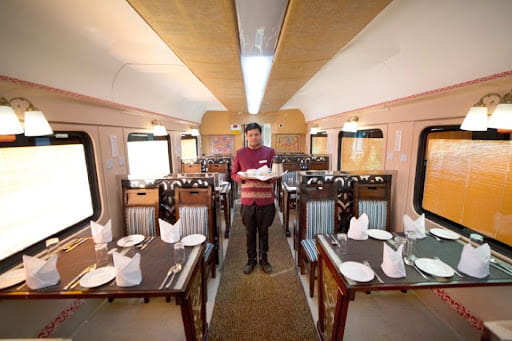
Your journey begins in Delhi, where the modern world falls away. Assemble at Delhi Safdarjung Railway Station for a traditional welcome, signaling the transition from the busyness of life to the gentle unfolding of the spirit. As the Buddhist Circuit Tourist Train departs for Gaya, settle into your comfortable carriage and enjoy an evening of quiet contemplation, highlighted by a multi-cuisine dinner served in the dining cars as the landscape transitions into the night.
Awaken in Gaya and make your way to the heart of the Buddhist world: Bodhgaya. After morning refreshments and breakfast on board, disembark to journey toward this sacred ground. Here, beneath the cooling canopy of the Bodhi Tree, the Buddha attained his enlightenment. Stand in the stillness of the Mahabodhi Temple and walk by the flowing Niranjana River, where the air is heavy with incense and the sound of low, rhythmic chanting. Explore the diverse international expressions of faith at the Thai and Japanese Temples and the Great Buddha Statue, ending the day with a peaceful dinner at your hotel.
Travel to the peaceful hills of Rajgir, a landscape steeped in ancient discourse. Visit Bimbisara Jail, ascend to the quietude of Gridhakuta Hill (Vulture's Peak), and walk the serene grounds of Venuvan Monastery. Later, walk the ruins of Nalanda University—a UNESCO World Heritage Site—and the Nalanda Museum, where the echoes of history linger in the silent brickwork. Enjoy lunch in Rajgir before returning to Gaya to re-board the train, sharing dinner on board as the journey continues toward Varanasi.
Varanasi is a place where life and the afterlife dance in the light of the Ganges. Upon arrival, travel to Sarnath, the hallowed site where the Buddha delivered his first sermon. Contemplate the history held within the Dhamekh Stupa, the Sarnath Museum, the iconic Ashokan Pillar, and Mulgandha Kuti Vihar. In the evening, witness the grand, soul-stirring Aarti Ceremony from the water during a private guided boat ride—a powerful, sensory experience of light, sound, and devotion that transcends time, followed by a formal dinner before departing for Nautanwa.
Crossing into Nepal, you arrive in the tranquil gardens of Lumbini, the birthplace of Prince Siddhartha. After traveling from Nautanwa, arrive in the serene atmosphere of Lumbini to settle into your hotel. Spend your afternoon in pilgrimage at the sacred Mayadevi Temple, marking the exact spot of his arrival into this world, and visit the ancient Lumbini Ashokan Pillar. The energy here is profoundly maternal and serene, inviting you to connect with your own beginnings and the simplicity of being.
Travel back into India to reach Kushinagar, the site of the Buddha’s Mahaparinirvana. Amidst the serene stupas, there is a stillness that speaks of transition and the beauty of letting go. Visit the Mahaparinirvan Temple to behold the 6-meter reclining Buddha, and pay respects at the Rambhar Stupa and Mata Kutir Temple. Reflect on the cycles of life before journeying to Gorakhpur to re-board your train, enjoying dinner as you travel toward Balrampur.
Sravasti, where the Buddha spent 24 rainy seasons, is a testament to the power of returning to the same ground. Explore the ruins of the Jetavana Monastery, Pakki Kuti, and Sehat Mahet, where the ancient atmosphere seems to guard the memory of his teachings. After lunch, enjoy leisure time to embrace the power of presence and the importance of finding a "home" for your own spirit. Conclude the day by returning to the train in Balrampur, preparing for the long overnight transit to Agra.
As the journey draws to a close, visit the Taj Mahal in Agra, a monument to enduring love that mirrors the devotion you have witnessed throughout this pilgrimage. Reboard the train for the final leg back to Delhi, carrying with you the stillness of the landscape and the wisdom of the masters. Share a farewell lunch on board, followed by a final afternoon of relaxation, arriving back at Delhi Safdarjung Railway Station with your spirit renewed.