This year, Tenjin Matsuri runs July 24–25, 2026. This annual summer event takes place in Osaka - it is one of the three great festivals of Japan alongside Kyoto's Gion Matsuri and Tokyo's Kanda Matsuri.
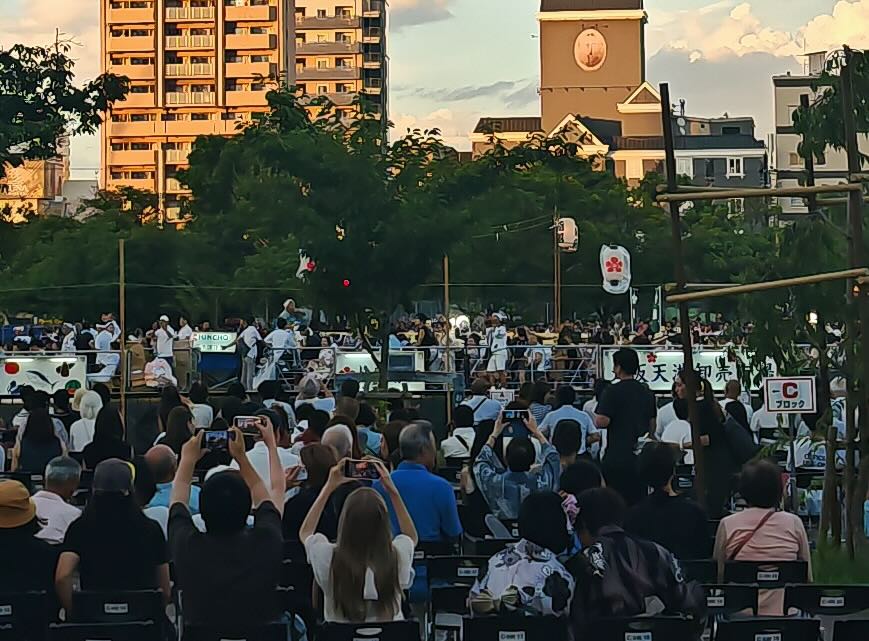
While the festival’s spiritual roots begin at the historic Osaka Tenmangū Shrine, Kema Sakuranomiya Park along the Ōkawa River is the absolute place to be for the grand finale on July 25th.
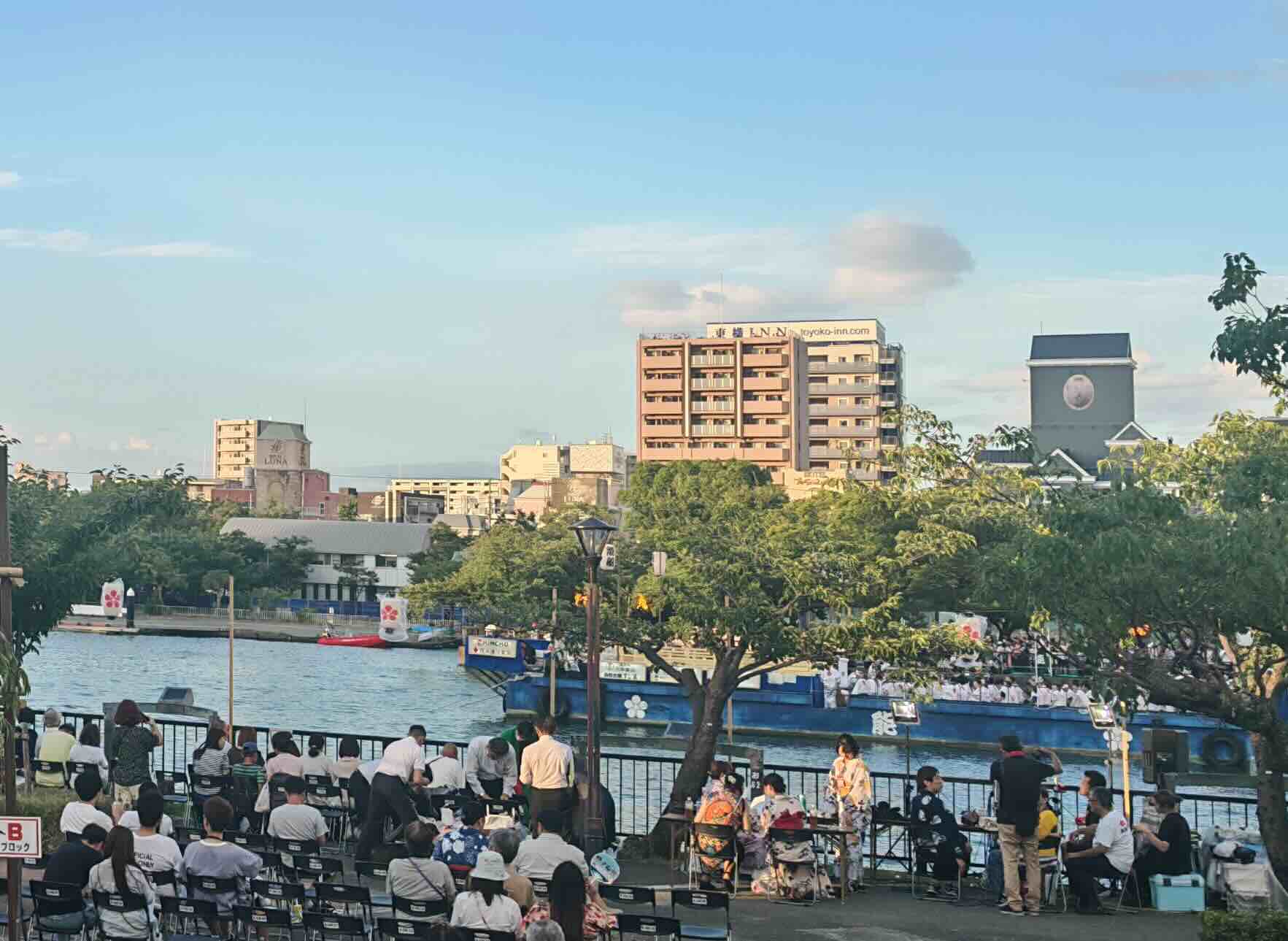
It’s here that the festival reaches its climax: a breathtaking combination of the Funatogyo—a procession of roughly 100 lantern-lit, bonfire-blazing boats gliding down the river. And the stunning fireworks display that lights up the night sky.
Summer festivals aren’t curated tourist shows. The commentary remains exclusively in Japanese, which only adds to the magic—it pulls you off the spectator bench and drops you straight into the authentic heart of local neighborhood life. Locals who spent months rehearsing the taiko drumming, dance routines, and boat oars bring an infectious pride to the night.
If you're planning a summer trip, here is your ultimate guide to surviving and thriving during Osaka's legendary festival season.
Osaka's Tenjini Matsuri Fireworks Festival
Tenjin Matsuri belongs to Osaka Tenmangu Shrine and honours Sugawara no Michizane, a 9th-century scholar who was exiled from the imperial court. He ended up passing away in disgrace, and was later named as Tenjin, the god of learning, after a string of disasters convinced the court his spirit needed appeasing. The festival traces back to 951 AD, when a sacred spear was floated down the Okawa River and a shrine ceremony was held wherever it drifted to rest. Over a thousand years, that simple purification rite grew into Osaka's summer festival.
The 2026 Schedule
- July 24 (Friday) — Yomiya, the eve of the festival, with smaller ceremonies and a quieter shrine atmosphere.
- July 25 (Saturday) — Honmiya, the main event. A land procession of drummers, dancers, and portable shrines departs Tenmangu Shrine around mid-afternoon and moves through the streets toward the river.
- Boat procession: from roughly 6pm, the portable shrines are loaded onto "stage boats" and set adrift on the Okawa River, joined by around 100 vessels lit with lanterns.
- Fireworks: from about 7:30pm to 9pm, roughly 3,000 to 5,000 fireworks light up the river while the boats continue below. This is the "fire and water" image that appears on every festival poster.
- The mikoshi comes ashore and returns to the shrine by around 10pm, closing the festival.
Note: these are the festival's standard annual timings. Confirm exact hours on Osaka Tenmangu Shrine's official site closer to the date, since weather or logistics can shift things by 30 minutes either way.
Where to Watch
The free option is the Okawa riverbank between Temmabashi and Sakuranomiya stations, both a short walk from the water. This stretch draws over a million spectators, so arrive at least an hour early an unobstructed river view.
What makes Okawa riverbank so special:
-
The "Fire & Water" Synergy: You get to stand right on the riverbank as the illuminated boats float past. The combination of lighted bonfires on 100+ wooden boats and thousands of fireworks exploding over the Ōkawa River is widely cited as a bucket-list visual moment in Japan.
-
Prime Fireworks Viewing: The launch sites for the 3,000+ fireworks are situated right around Kawasaki Park and Sakuranomiya Park, giving you front-row seats to the action.
- The Street Food Scene: Sakuranomiya Park becomes a fairground of yatai (food stalls) selling hot takoyaki, okonomiyaki, and cold beer.
For a quieter angle, Sakuragamiya Shrine, tucked behind Sakuranomiya Park, offers a straight-on view of the fireworks with fewer crowds. If you'd rather sit down for the show, ticketed seating is available, typically ranging from about ¥3,000 to ¥31,000 depending on how close and how comfortable you want to be.
Where to Base Yourself
Hotels in Osaka's Kita district book out fast. If you're planning last-minute, consider staying in Tennoji instead. It's a straight 15-minute ride on the Tanimachi subway line to Temmabashi with no transfers. Once the fireworks end, you'll be heading back to a calmer neighbourhood vibe while everyone else queues for taxis in Umeda. Tennoji also puts Shitennoji Temple, Shinsekai, and Abeno Harukas within walking distance for your non-festival days.
Practical Tips
- Beat the heat. Late July in Osaka is hot and humid, and you'll be standing outdoors for hours. Bring water, a hand fan, and sun protection for the daytime procession. Drink lots of water but you can always
- Master the Language Barrier (Embrace the Chants!) Don't worry about reading every banner or sign. The heart of the festival relies on visual cues and rhythmic energy. When the illuminated boats pass each other on the Ōkawa River, join the "Osaka-jime"— joining in on the clap is the fastest way to feel like a local.
- Eat before you commit to a spot. Once you've claimed your spot, you won't want to give it up. But you can easily fill up on some popular snacks:
-
Takoyaki: Molten-hot, savory octopus balls topped with mayo and bonito flakes.
-
Okonomiyaki: Osaka's famous grilled cabbage pancakes.
-
Kakigori: Shaved ice piled high with sweet fruit syrups—essential for beating the humid July night heat.
-
- Mind the crowd crush. With over a million people funnelling toward a single riverbank, keep valuables secure and agree on a meeting point with anyone you're travelling with, in case your mobile phone signal gets patchy.
- Public Restrooms: Kema Sakuranomiya Park has standard permanent public restrooms scattered along its 4.2-km promenade (notably near Sakuranomiya Station and the southern water plaza). They are clean and maintained, but they are completely overwhelmed by the hundreds of thousands of festival-goers. The festival organizers also set up rows of portable toilets along the main festival avenues. While typically well-maintained compared to Western standards, expect Japanese-style squat toilets.
- Toilet Paper Isn't Guaranteed. While permanent restrooms usually stay stocked, high-traffic portable festival toilets often run out of toilet paper by mid-evening. Pack pocket tissues and bring hand sanitizer & wet wipes: Running water for handwashing at temporary stalls can be limited.
- Trains get packed both ways. Osaka Metro adds capacity, but expect delays and queues at Temmabashi and Sakuranomiya stations after the fireworks. Walking a station or two further before boarding can save you a long wait.
- Have an Exit Plan. When the fireworks wrap up around 9:00 PM, nearby stations like JR Sakuranomiya experience massive bottlenecks. To avoid the gridlock, walk 15 minutes south toward Kyobashi Station or west toward Temmabashi Station to catch a much smoother train back to your hotel.
- If Tokyo's Sumida River Fireworks is also on your list — it falls on the same Saturday this year — you'll need to choose one. They're roughly 400km apart with no realistic way to catch both.
The Bigger Picture
Tenjin Matsuri isn't just a fireworks show. It's one of roughly 12,000 Tenjin festivals held at Tenmangu shrines across Japan each year, all honouring the same deity of learning. However, Osaka's version is the largest and most theatrical by far. This annual event is a reminder of how a quiet 10th-century purification rite has such mass appeal, more than a thousand years on.
There’s no single “right” way to experience Japan. The beauty of the country lies in how there are so many different ways to experience it. Here are a few distinct ways to shape your journey, along with links to help you start planning with SoulTrips.
1. The Open Road: Campervan Travel from Osaka
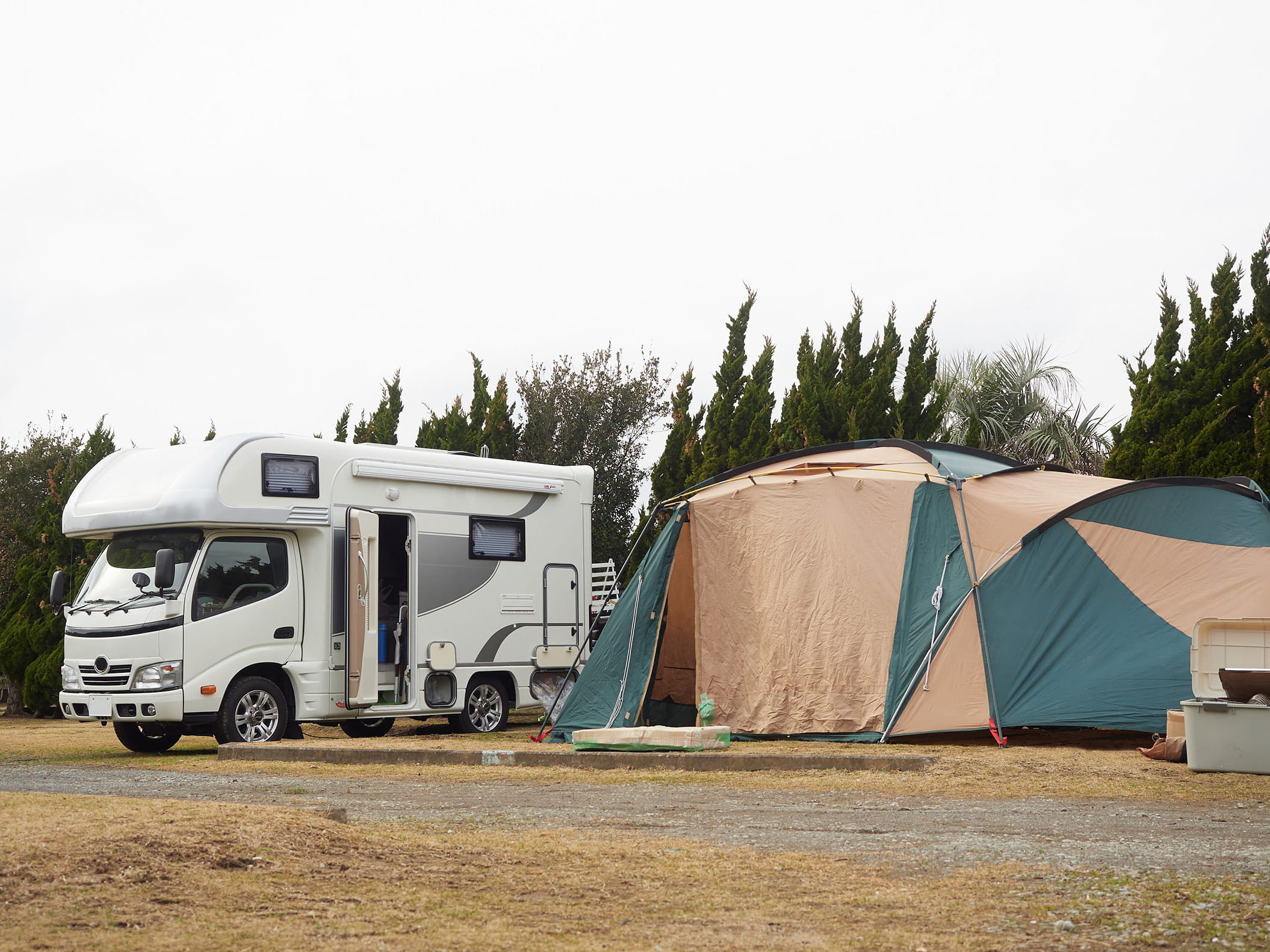
If you want to step off the well-trodden tourist track, renting a campervan gives you total freedom to slow down and wander. Starting in Osaka, you can drive into the coastal beauty of Mie, cross over to the serene hot spring towns of Shikoku, or head toward the misty mountain valleys of Kumano Kodo—stopping at rural michi-no-eki (roadside rest stations) and hidden local onsen along the way. It’s an ideal way to turn the journey itself into the destination.
-
Explore open-road inspiration on the SoulTrips Japan Destinations page.
2. Speed and Precision: Exploring Beyond by Rail
Japan’s rail network is legendary for a reason. Taking the Shinkansen (bullet train) allows you to glide effortlessly between hyper-modern cities and ancient cultural capitals in a matter of hours. Plus there is the scenic train journeys like the Scenic Coastal Train, such as Iyonada Monogatari (Ghibli-Sea Train).
Featured prominently in the Ehime Unveiled: A Journey Through Matsuyama Castles, Ghibli-Sea Train & Hidden Coastal Serenity (5D4N) itinerary,a major highlight along the route is a stop at Shimonada Station, a famous seaside platform offering cinematic, unobstructed ocean views often compared to a scene straight out of a Studio Ghibli film.
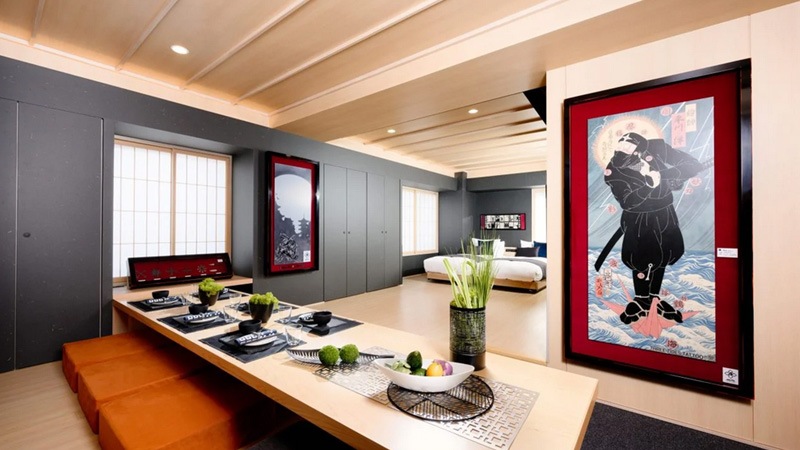
3. Playful & Immersive Stays: MIMARU Samurai or Pokémon Rooms
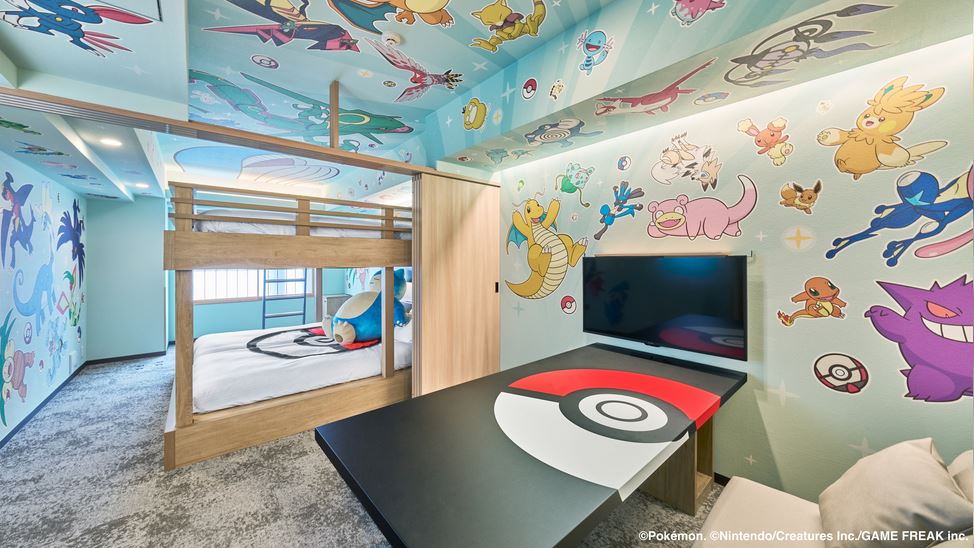
For families, pop-culture fans, or anyone who loves thoughtful design, themed apartment stays at MIMARU hotels in Tokyo, Kyoto, and Osaka add a layer of pure fun to your itinerary.
-
Pokémon Rooms: Step into spaces filled with giant Snorlax plushies, Poké Ball tableware, and playful wall art from floor to ceiling. Check out the details for staying in a Pokémon Room at MIMARU Hotels.
-
Samurai-Themed Rooms: Dive into Japanese history with custom rooms featuring armor displays, traditional woodwork, and immersive martial heritage details. Browse the Samurai Themed Rooms at MIMARU for an unforgettable stay.
Build Your Custom Self-Drive or Private Itinerary
Navigating car rentals, expressway passes, international driving permits, or multi-city hotel logistics across Japan can feel overwhelming. If you prefer a seamless, tailored road trip without the guesswork, you can speak with our travel specialists to craft a custom-designed itinerary tailored entirely to your travel style.
Contact us at hello@soultrips.co