By Soul Trips · Updated on 09 October, 2026
How Much Does a Trip to Japan Cost from Singapore?
A realistic Japan trip cost from Singapore starts at about S$2,000 per person for a careful one week journey and rises with spring or autumn travel, better hotels, regional transport and private experiences. A comfortable ten day trip often needs S$3,500 to S$5,500 per person, while premium journeys can exceed that range quickly.
These are planning estimates rather than fixed prices. Flights and accommodation change by date, and ryokan rates often include dinner and breakfast. Build the budget around the route first, then compare current options on the SoulTrips Japan destination page.
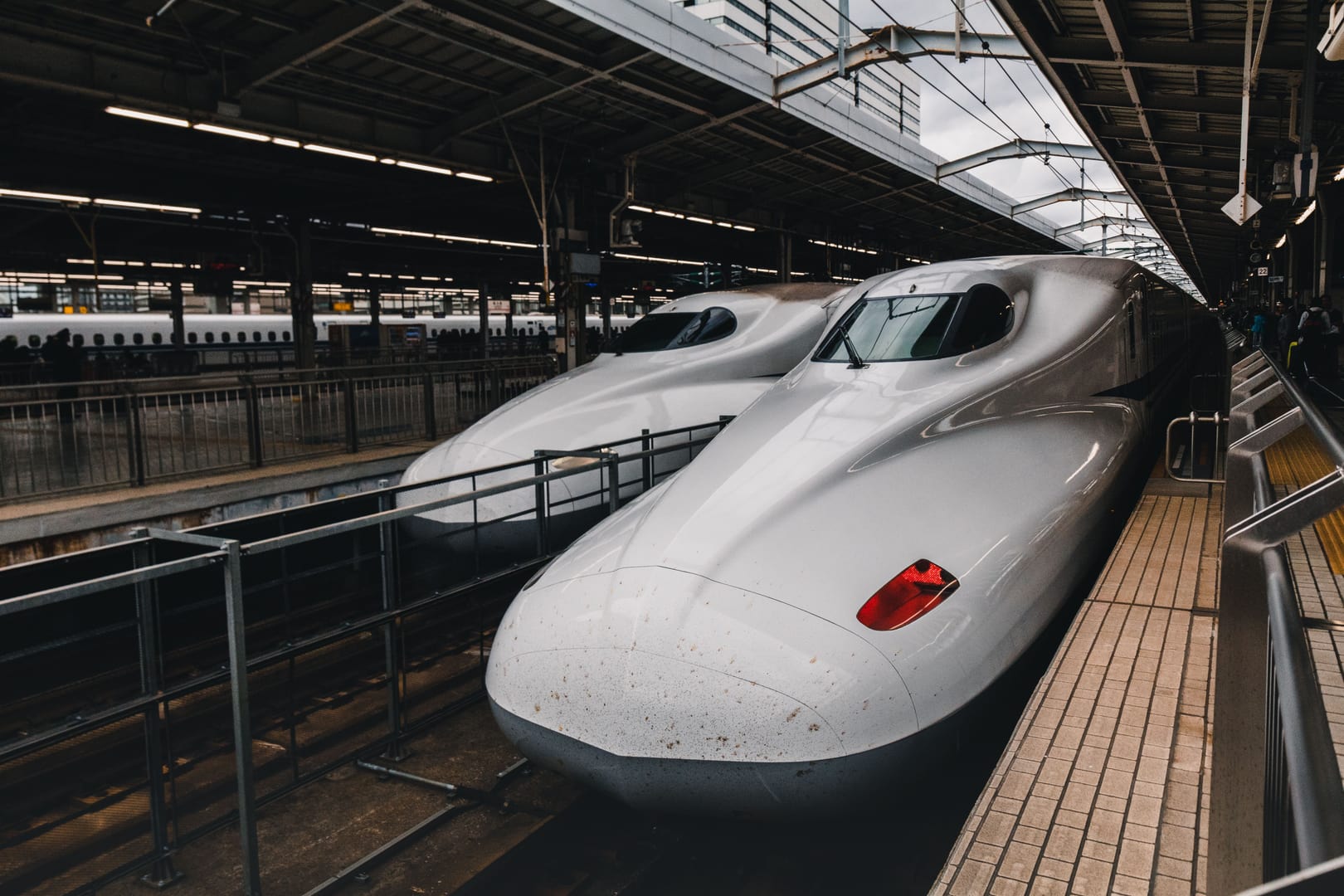
Japan trip cost from Singapore at a glance
Use these broad per person planning ranges for a twin sharing trip. They include return flights, accommodation, local transport, food and sightseeing, but not extensive shopping.
- Seven day value trip: about S$2,000 to S$3,000.
- Ten day comfortable trip: about S$3,500 to S$5,500.
- Fourteen day comfortable regional trip: about S$5,000 to S$8,000.
- Premium private journey: from about S$700 per person per day excluding international flights.
- Cherry blossom, autumn and holiday periods: budget more for flights and accommodation.
Family rooms, single rooms, ski equipment, theme parks and private vehicles can change the total substantially. The SoulTrips Japan destination guide helps you compare trip styles before setting a final target.
Flights from Singapore to Japan
For planning, allow about S$500 to S$900 for a return economy flight when booked in good time. Peak spring, autumn, school holiday and festive dates can exceed S$1,000, especially for preferred timings and full service fares.
Low cost fares can look cheaper until you add checked baggage, meals, seat selection and payment fees. Compare the final amount and arrival airport. A late landing at Narita or Kansai can require an airport hotel or expensive transfer.
An open jaw ticket can save money and time on a one way route. Flying into Tokyo and home from Osaka or Fukuoka may cost slightly more than a simple return, but it removes a long backtrack and an extra hotel night.
Accommodation costs
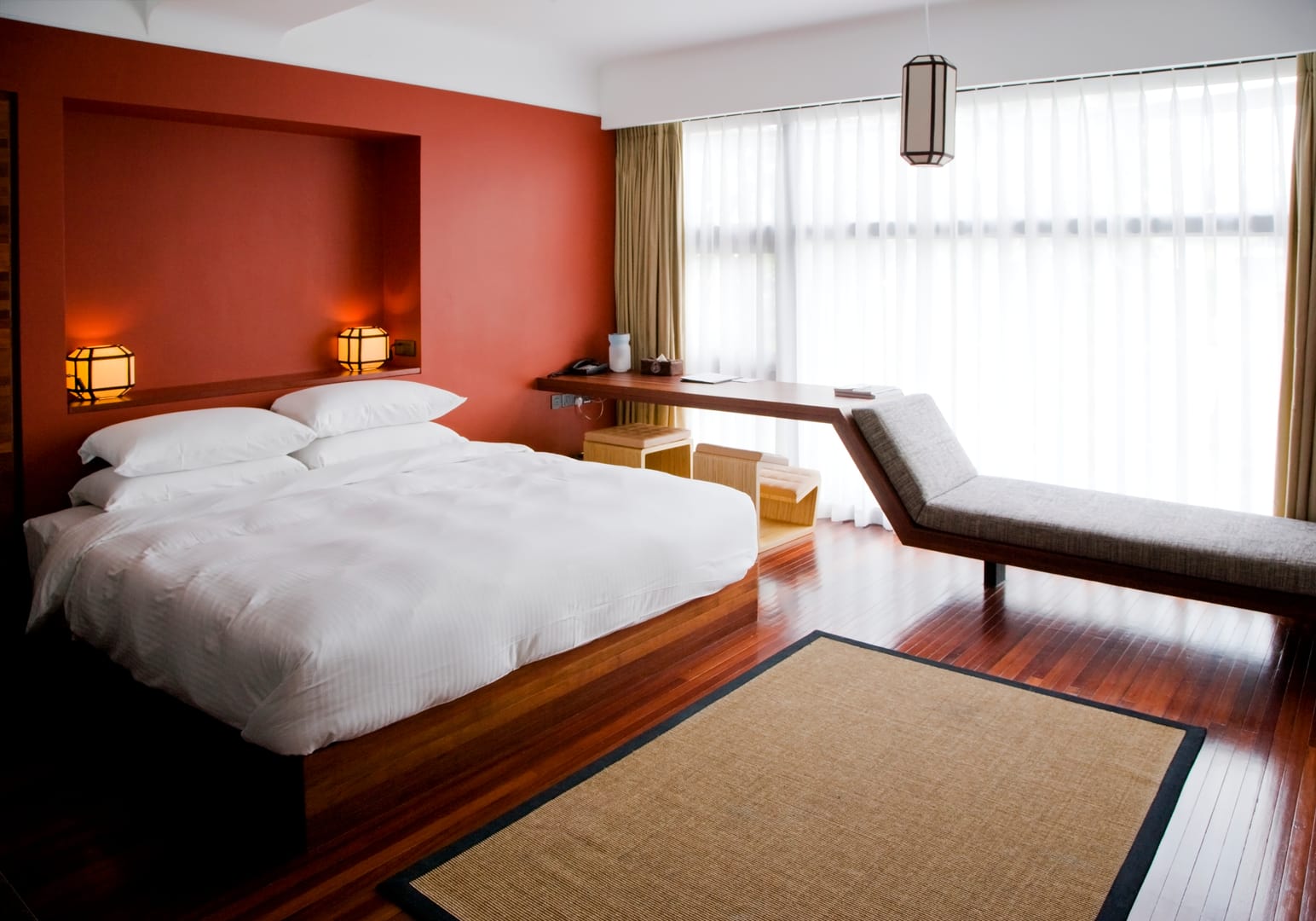
Accommodation is usually the largest daily expense. Use these approximate per room ranges:
- Hostel or simple guesthouse: S$50 to S$100.
- Business hotel: S$90 to S$180.
- Comfortable mid range hotel: S$160 to S$300.
- Apartment hotel or larger family room: S$220 to S$450.
- Ryokan with dinner and breakfast: S$300 to S$700 or more.
- Luxury hotel or premium ryokan: from S$600, with peak dates much higher.
Tokyo and Kyoto cost more in famous seasons. Regional cities can offer better value, though small destinations may have limited supply. Book the room layout carefully. A low headline rate is not good value if the bed, bathroom or luggage space is unsuitable.
Mix hotel types. Use practical city hotels near stations, then spend more on one ryokan or distinctive regional stay. The SoulTrips onsen guide helps you understand what is included in a traditional stay.
Rail and local transport costs
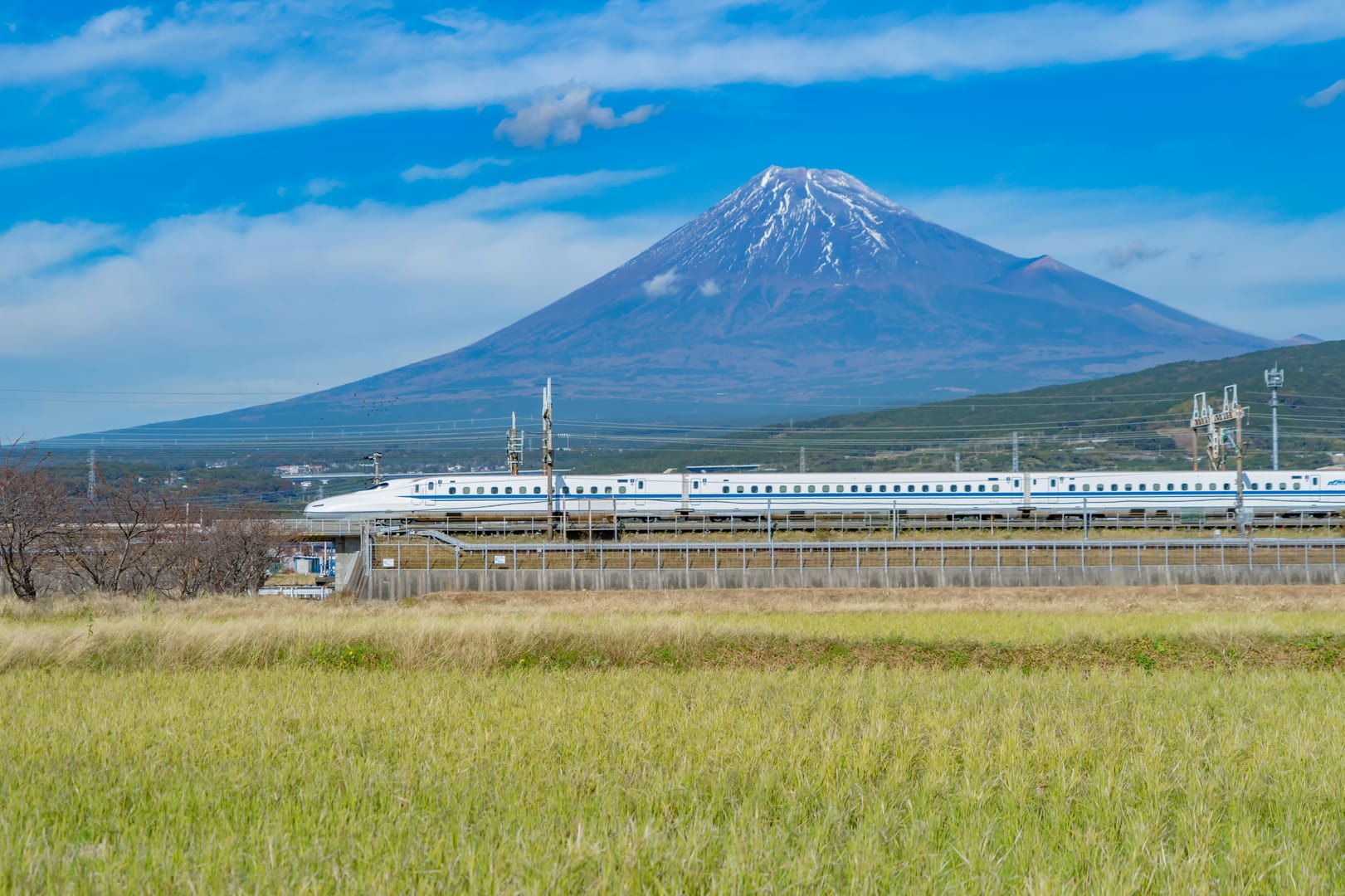
Transport depends on the route. A city focused trip with local trains can remain modest, while several Shinkansen journeys add hundreds of dollars.
Do not buy the national rail pass by habit. Compare the current Japan Rail Pass price with individual tickets and regional passes. A Tokyo, Kyoto and Osaka route can cost less with point to point fares, especially when the travel dates extend beyond the pass validity.
Allow roughly S$8 to S$15 per day for ordinary city transport, then add airport transfers and long distance journeys separately. Taxis are efficient for short groups and luggage, but repeated cross city rides raise the budget quickly.
Luggage forwarding costs more than carrying a case yourself, but it can replace a taxi, reduce stress and make station transfers far easier. Treat it as a practical transport expense rather than a luxury.
Food costs in Japan
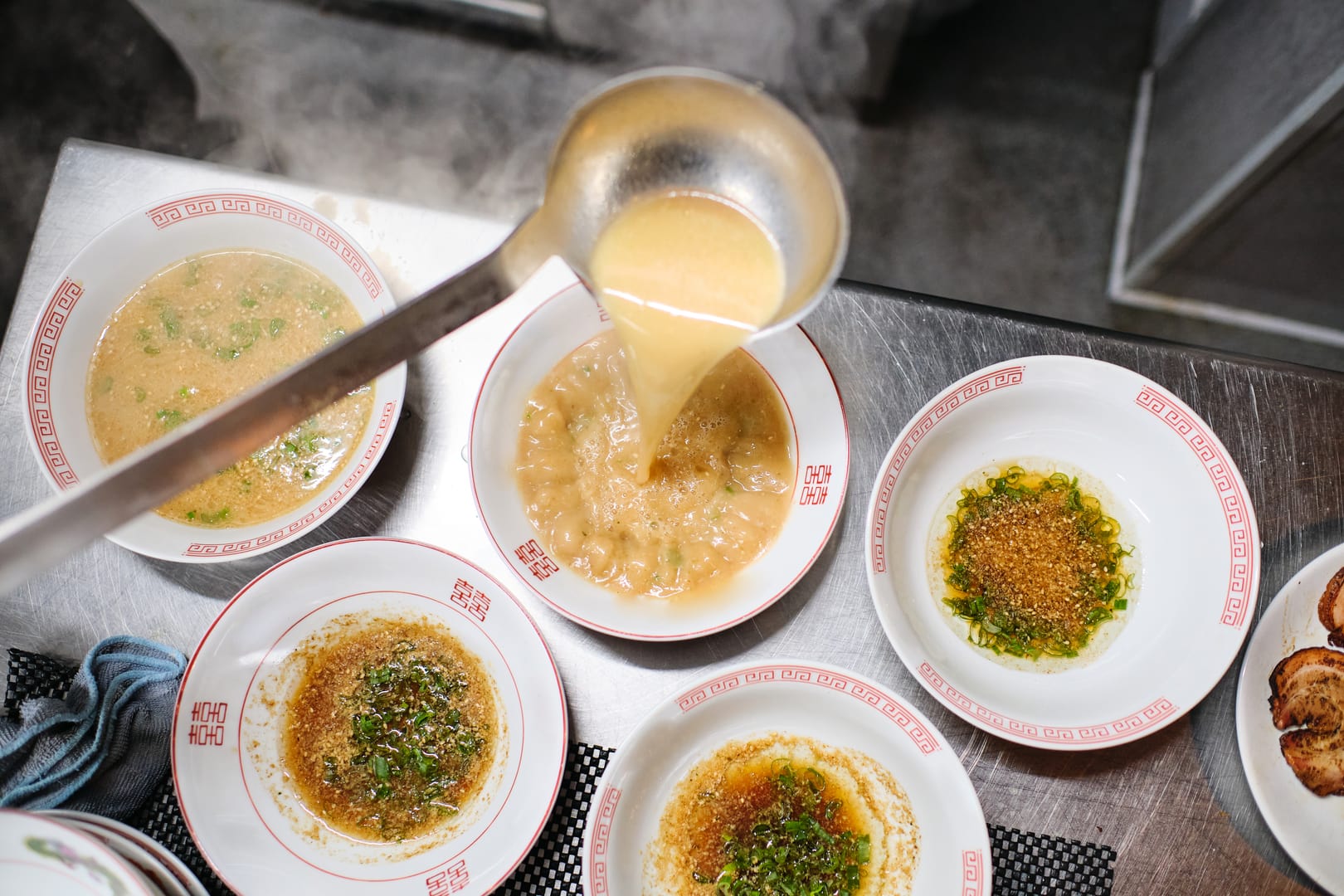
Japan offers excellent food at many price points. A simple breakfast can cost S$5 to S$12, a casual lunch S$10 to S$20 and a good everyday dinner S$20 to S$45. Formal sushi, kaiseki, wagyu and chef led dining can be far higher.
A daily food budget of S$45 to S$80 works for many travellers who mix casual meals with one better dinner. Increase it to S$100 to S$180 for regular reservations, alcohol and premium ingredients.
Convenience stores are useful for breakfast and snacks, but do not build the entire food experience around them. Local set meals, noodle shops, department store food halls and small regional restaurants often provide better cultural value.
Ryokan rates may include dinner and breakfast. Compare the total experience before judging the room as expensive. A good kaiseki dinner, onsen access and breakfast can replace two separate meal costs.
Attractions and experiences
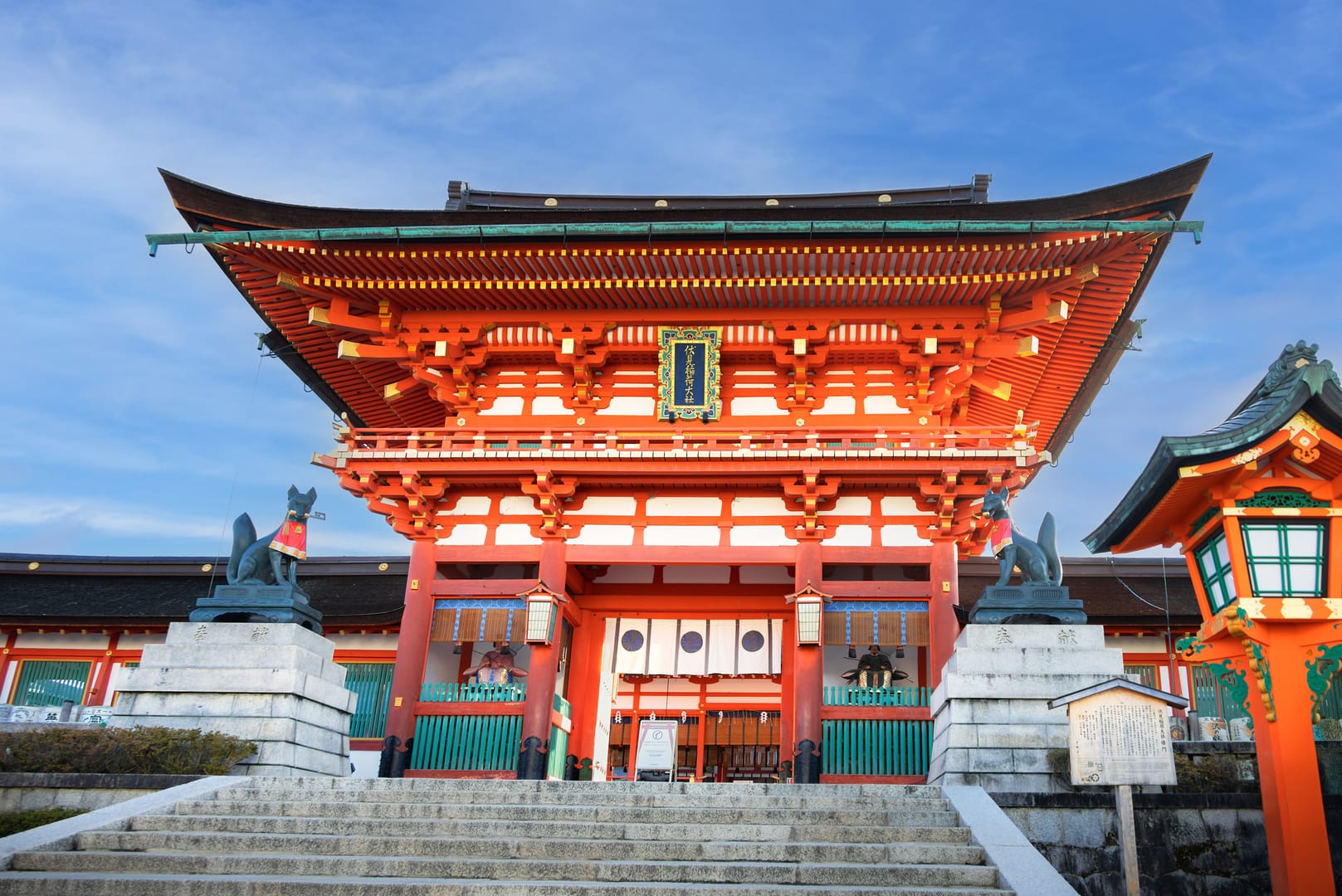
Temples, gardens and museums often have moderate entry fees, but a full trip adds up. Theme parks, major observation decks, teamLab exhibitions, craft workshops and guided tours cost more and can require advance reservations.
Allow S$15 to S$40 per day for ordinary admissions and increase the budget on special experience days. A private guide can cost several hundred dollars for the group, but adds context and saves time in culturally complex places.
Regional experiences deserve a deliberate budget. The SoulTrips Setouchi art islands journey includes a network of museums and ferries, while the Ehime journey connects castle towns, onsen and coastal travel. The value lies in coordination as well as admission.
Daily budget by travel style
Value traveller
Allow about S$120 to S$180 per person per day excluding international flights. Use business hotels, casual meals, local transport and a focused route with few Shinkansen journeys.
Comfortable traveller
Allow about S$220 to S$350 per person per day. This supports well located mid range hotels, good meals, reserved trains, luggage delivery and selected guided experiences.
Premium traveller
Allow S$450 or more per person per day. Premium ryokan, luxury hotels, private guides, private transport and chef led dining can raise the average substantially.
These ranges assume twin sharing. Solo travellers pay more per person because the room and private transport are not divided.
Sample ten day comfortable budget
A ten day twin sharing trip might include:
- Return economy flight: S$650 to S$900.
- Nine hotel nights: S$900 to S$1,500 per person.
- Rail, airport and local transport: S$450 to S$800.
- Food: S$600 to S$900.
- Admissions and experiences: S$250 to S$600.
- Insurance, connectivity and contingency: S$200 to S$350.
The resulting planning total is about S$3,050 to S$5,050 per person before shopping. Add more for famous seasons, private touring, a luxury ryokan or several premium meals.
Family travel costs
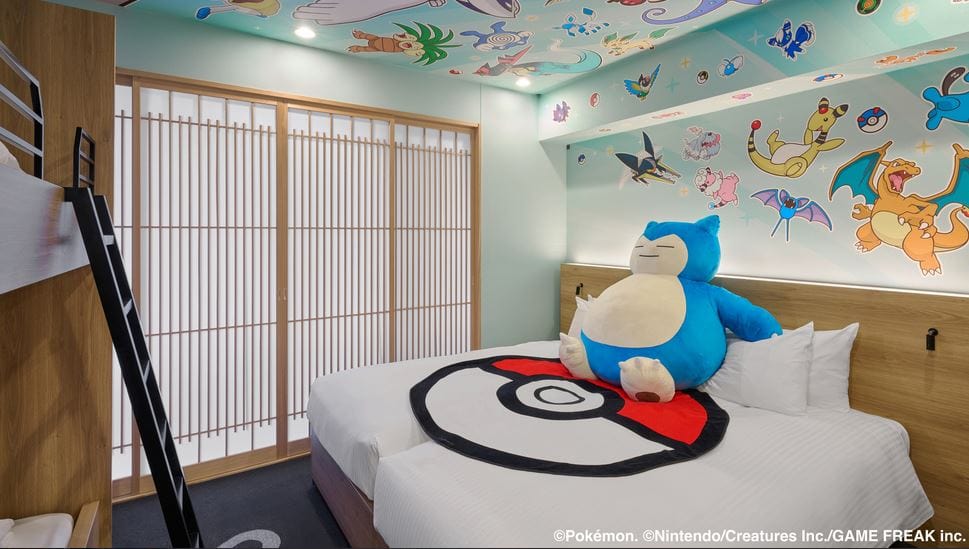
Families should budget around room capacity, not just the adult rate. Many standard Japanese rooms are compact and do not accept four occupants. Apartment hotels can look expensive per night but save money by keeping the family together and providing laundry or a kitchenette.
Children's rail and attraction rates depend on age. Meals at ryokan may also differ by age and menu. Confirm every child charge before booking rather than assuming a universal discount.
The SoulTrips Pokémon room experience and Mount Fuji family journey show how accommodation can be part of the experience rather than only a place to sleep.
How to save without weakening the trip
Travel outside the most famous seasonal weeks, use regional airports, stay near useful stations and choose fewer bases. Book lunch instead of dinner at some premium restaurants, forward one shared large case and use local rail rather than taxis in cities.
Do not save by choosing a distant hotel that adds two hours of travel every day. Do not buy a pass without calculation, and do not overload the itinerary with paid attractions. Free neighbourhood walks, public parks, markets and temple districts give the trip texture.
Keep a contingency of at least ten per cent for weather changes, replacement transport, medical expenses and spontaneous experiences.
How a Japan travel specialist plans a realistic Japan travel budget
A strong Japan journey begins with one clear idea. Set the total budget first, then protect the parts that shape comfort: flight timing, hotel location, regional transport and one or two meaningful experiences. Once that purpose is settled, choose the few places that express it best and remove stops that add more transfers than enjoyment. Japan makes fast movement possible, but an efficient rail network is not a reason to change hotels every night.
Fewer hotel changes reduce transport spending, luggage fees and lost time, while longer stays often create better room value. Two or three nights in an important base gives you time for an early start, a slower meal and one unplanned discovery. Rural regions need more breathing room because local trains and buses are less frequent. Build the route around the least flexible element, such as a reserved scenic train, a seasonal festival, a small ryokan or an island ferry.
Reserve international flights, high demand accommodation and limited capacity experiences first. Then add rail reservations, luggage delivery, local guides and restaurants. The SoulTrips guide to booking an international trip in advance provides a practical timeline, while the wider collection of travel planning advice helps you organise the final details.
A specialist adds most value where transport, language or access becomes complicated. Use expert support for a countryside drive, a pilgrimage route, a formal meal, an art island programme or a family trip with several room requirements. Keep independent time in places where walking, browsing and changing your mind are part of the pleasure.
Common planning mistakes
- Comparing flight fares before adding baggage and airport transfer costs.
- Buying a rail pass without calculating the exact route.
- Choosing a remote hotel that creates daily taxi or transport expense.
- Forgetting that ryokan rates can include two substantial meals.
These are easy to correct before you travel. A focused route, sensible luggage plan and realistic daily rhythm will make Japan feel calm rather than rushed.
Practical advice for different travellers
First time visitors
Build a ten per cent contingency and pay the least flexible expenses before setting the daily shopping budget. Choose accommodation close to a useful station for the first few nights, save the hotel address in Japanese and start with one neighbourhood rather than crossing a major city several times in a day.
Solo travellers
Japan is straightforward for solo travel, especially in cities and along major rail routes. Book small rural inns before arrival, share your route with someone you trust and avoid assuming that every restaurant accepts walk in diners. Counter seating, business hotels and excellent public transport make solo days easy to structure.
Families
Compare the total cost of apartment hotels with two separate rooms, then include laundry, breakfast and location in the decision. Apartment hotels and rooms with laundry facilities reduce daily friction. Forward large luggage between longer stays and keep one light day after a theme park, major transfer or very early start.
Older travellers and travellers with mobility concerns
A central hotel and selected taxis can provide better value than a cheaper room with difficult station access. Major stations are well equipped, but transfers can involve long corridors, stairs and busy platforms. Request station assistance when needed, choose hotels close to lifts and ask for honest walking descriptions at temples, gardens, castles and older neighbourhoods.
Travel responsibly and stay prepared
Responsible travel in Japan begins with consideration for the people sharing each place. Keep voices low on public transport, queue carefully, carry your rubbish until you find the correct bin and follow photography rules at temples, shrines, markets and residential streets. Do not block narrow lanes or private entrances for a photograph.
Spend with locally owned restaurants, craftspeople, guides and regional accommodation where they suit the trip. Good value includes the benefit your money brings to the place. Use luggage delivery instead of taking large cases onto crowded local trains, support independent restaurants and craftspeople, and book popular sites for quieter times when possible. The SoulTrips Japan destination guide connects these practical choices with slower regional journeys.
Japan experiences earthquakes, typhoons, heavy snow, volcanic activity and periods of extreme heat. Save the official emergency information, follow transport instructions and never continue an outdoor plan against a warning. Travel insurance should cover medical care, disruption and the activities on your itinerary.
Frequently asked questions
-
How much does a seven day Japan trip from Singapore cost?
Plan about S$2,000 to S$3,000 per person for a value focused twin sharing trip. Famous seasons, private touring and better hotels increase the total.
-
How much should you budget for ten days in Japan?
A comfortable ten day trip often costs S$3,500 to S$5,500 per person including flights. Set aside more for premium stays, family rooms and several long distance rail journeys.
-
How much do flights from Singapore to Japan cost?
A useful planning range is S$500 to S$900 return in economy. Peak dates and preferred full service flights can exceed S$1,000.
-
Is Japan expensive for food?
Everyday food can be excellent and affordable. Budget S$45 to S$80 per person per day for a comfortable mix of casual meals and one better dinner.
-
How much does a hotel in Japan cost?
Business hotels often fall around S$90 to S$180 per room, while comfortable mid range hotels often cost S$160 to S$300. Seasonal city rates can be much higher.
-
Is a ryokan worth the cost?
Yes when you value the meal, bathing and cultural experience. Compare the rate with the combined cost of a hotel, dinner, breakfast and onsen access.
-
Does a Japan Rail Pass save money?
Only on certain long distance routes. Calculate all eligible fares and compare regional passes before buying.
-
How much cash should you bring?
Carry enough yen for small businesses, transport gaps and one day of spending, then withdraw more as needed. Use cards for larger purchases.
-
How can families reduce Japan travel costs?
Choose apartment hotels, limit hotel changes, use luggage delivery selectively and reserve rooms early. Check child rail, meal and attraction rates individually.
-
Can SoulTrips prepare a priced Japan itinerary?
Yes. Share your target budget through SoulTrips trip planning so the team can balance hotels, transport and experiences around it.
Plan your Japan trip cost with clear priorities
Your Japan trip cost from Singapore will feel manageable when every major expense supports the route. Spend on convenient flights, useful hotel locations and the experiences you will remember, then control the budget through fewer transfers and thoughtful meals. Explore SoulTrips Japan tours or contact the team for a personalised quotation.