By Soul Trips · Updated on 08 September, 2026
Japanese onsen etiquette boils down to three essentials—wash thoroughly before entering, bathe completely nude, and never let your towel touch the water. Tattoos may restrict your access, and swimming or splashing is strictly forbidden.
This guide covers everything first-timers need to know for a respectful, relaxing soak.
What's the Difference Between an Onsen and a Sento?
An onsen uses naturally heated geothermal water rich in minerals, while a sento is a public bathhouse with artificially heated tap water.
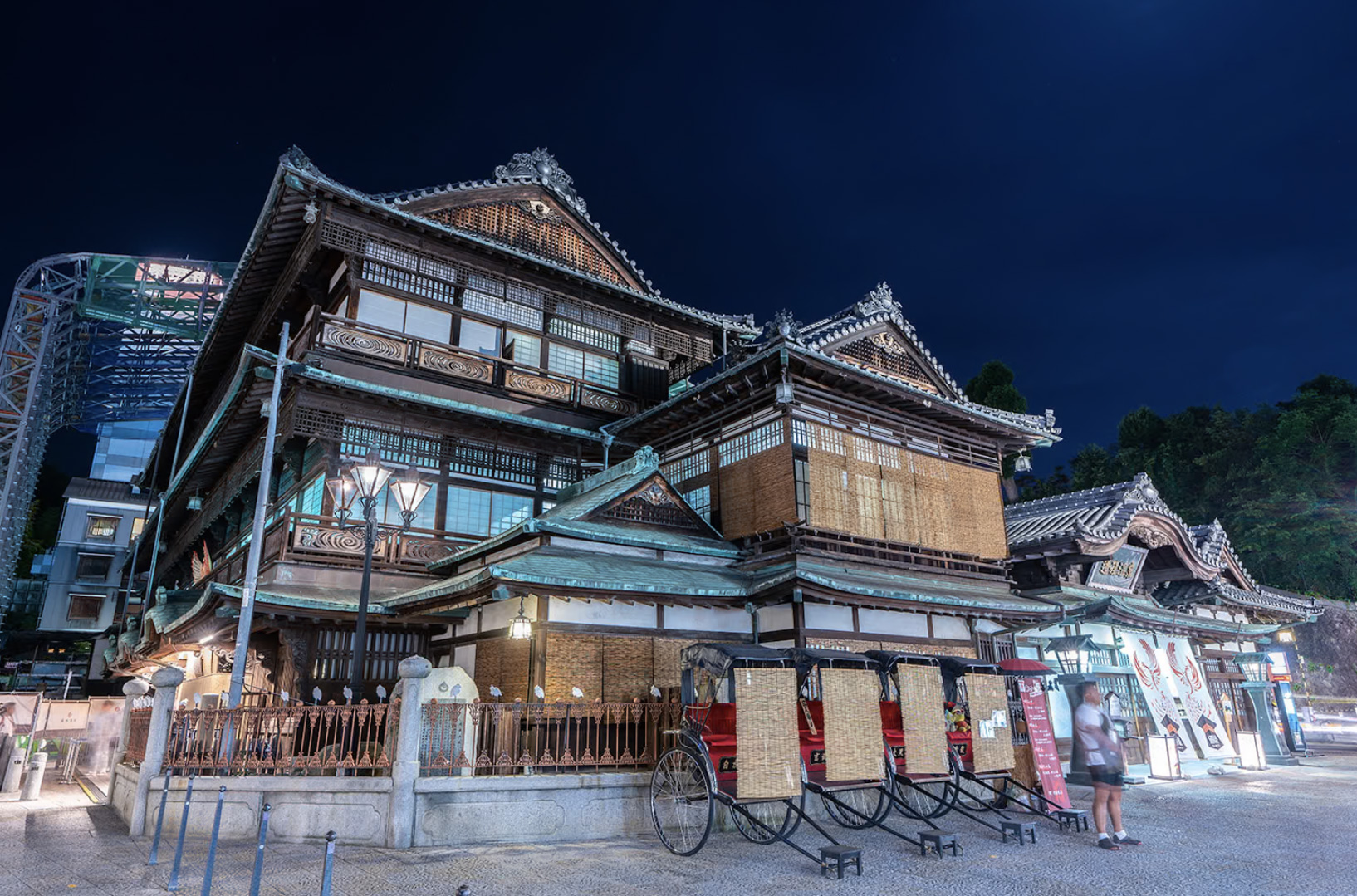
Japan boasts over 27,000 hot spring sources, producing 2.6 million litres of mineral water every minute. With more than 3,000 onsen towns nationwide, these thermal baths have been central to Japanese culture since the 8th century. The minerals—including sulphur, sodium, and calcium—are believed to relieve muscle pain, improve circulation, and promote deeper sleep.
Sentos, while lacking volcanic minerals, have served as community gathering spots for centuries. In 1968, over 18,000 sentos operated across Japan, providing bathing access for homes without private facilities. Though numbers have declined, they remain vital neighbourhood institutions.
Ryokan (traditional inns) often feature their own onsen baths, offering the most authentic overnight soaking experience.
Why Is Onsen Etiquette So Important?
Etiquette preserves water purity, shows respect for other bathers, and maintains the meditative atmosphere that makes onsen a spiritual practice rather than just a bath.
Onsen bathing is rooted in Shinto purification rituals dating back over 1,300 years. The Japanese view communal bathing as hadaka no tsukiai ("naked communion")—a space where social hierarchies dissolve and honest connection flourishes. Breaking etiquette isn't just rude; it disrupts a centuries-old tradition of shared relaxation.
The #1 Rule: Wash Before You Soak
You must shower and scrub thoroughly before entering any onsen or sento bath—soaking is for relaxation, not cleaning.
Every bathing area has shower stations with:
-
A small stool
-
A plastic bucket
-
A handheld showerhead
-
Provided soap and shampoo
Proper washing sequence:
-
Sit on the stool facing the wall (this prevents splashing others)
-
Wash your entire body with soap
-
Wash and rinse your hair completely
-
Use the bucket to rinse off every trace of soap suds
-
Ensure no bubbles remain before approaching the main bath
Never bring soap or shampoo into the soaking bath—this contaminates the water for everyone.
Nudity Rules: What to Expect
Swimsuits, underwear, and any clothing are completely prohibited in Japanese onsen and sento—everyone bathes naked without exception.
What to do:
-
Strip completely in the changing room
-
Store all belongings in lockers (including phones)
-
Carry only a small washcloth to the bathing area
-
Use the washcloth to cover private areas while walking
-
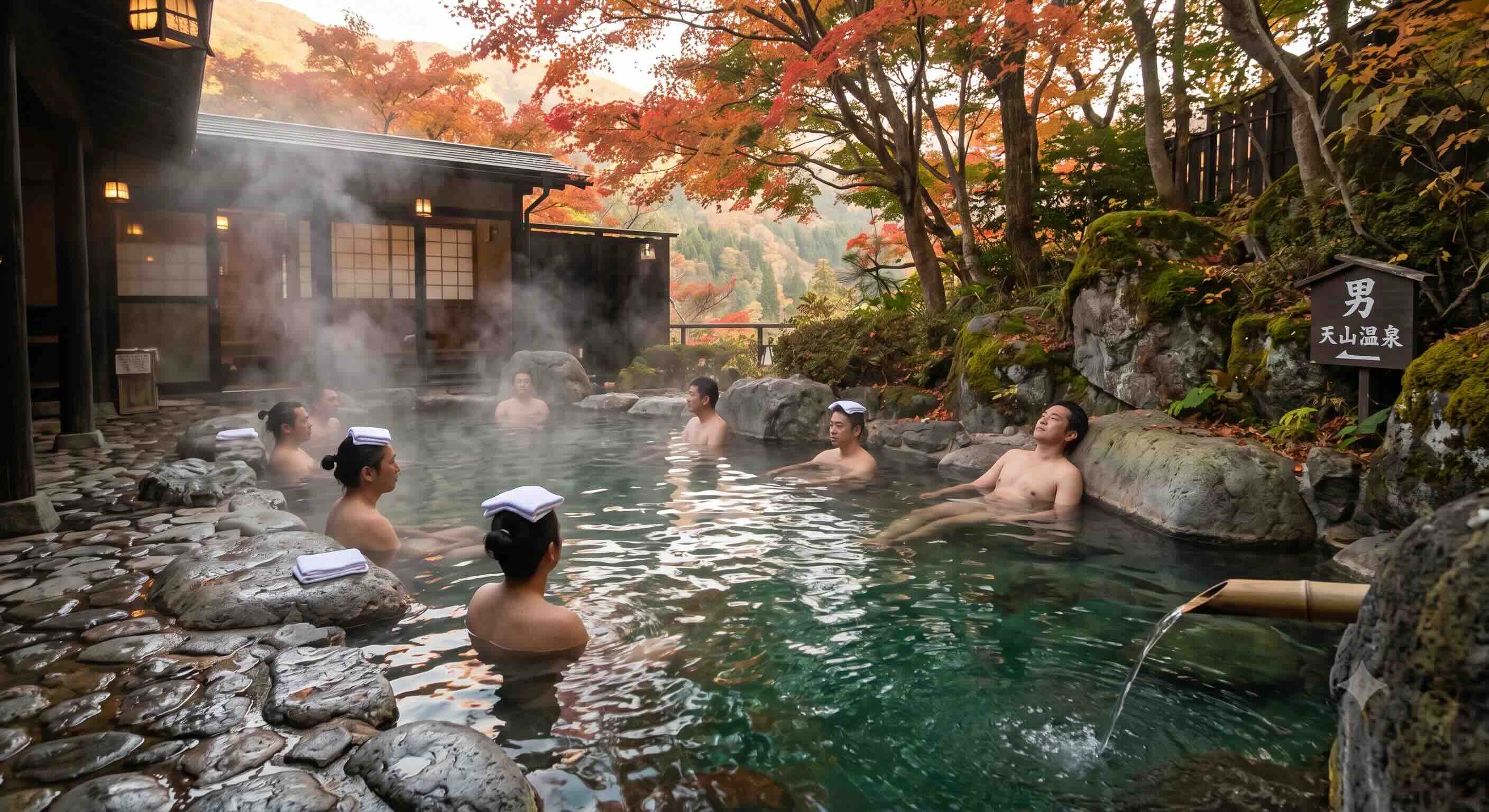
Do not submerge the washcloth in the bathwater—fold it and place it on your head or the bath's edge
Why this matters: The Japanese view nudity in this context as completely natural and non-sexual. Trying to cover up with swimwear is considered more awkward than being nude, as it suggests you're not participating in the shared experience.
Tattoo Policies: What You Need to Know
Many traditional onsen ban tattoos due to historical associations with organised crime, but tattoo-friendly options exist if you research ahead.
The background: Tattoos in Japan are historically linked to the yakuza (Japanese mafia), leading many establishments to prohibit them entirely. While attitudes are slowly changing—especially in tourist-heavy areas—the rule remains common.
Your options:
-
Small tattoos: Cover with waterproof skin-coloured bandages (available at drugstores)
-
Large tattoos: Research "tattoo-friendly onsen" in advance—cities like Tokyo and Osaka have more accepting venues
-
Private baths: Book a kashikiri (reserved private bath) where tattoos aren't an issue
-
Ryokan with private in-room baths: Perfect for tattooed travellers wanting the full experience
Pro tip: Some onsen now offer tattoo covering stickers at the front desk—just ask politely.
Step-by-Step Bathing Guide
Follow these 7 steps to navigate your first onsen like a local.
Step 1: Enter and pay
-
Remove shoes at the entrance (place in lockers or shoe cubbies)
-
Pay at the counter or ticket vending machine
-
Many sento are cash-only—bring yen
Step 2: Find your changing room
-
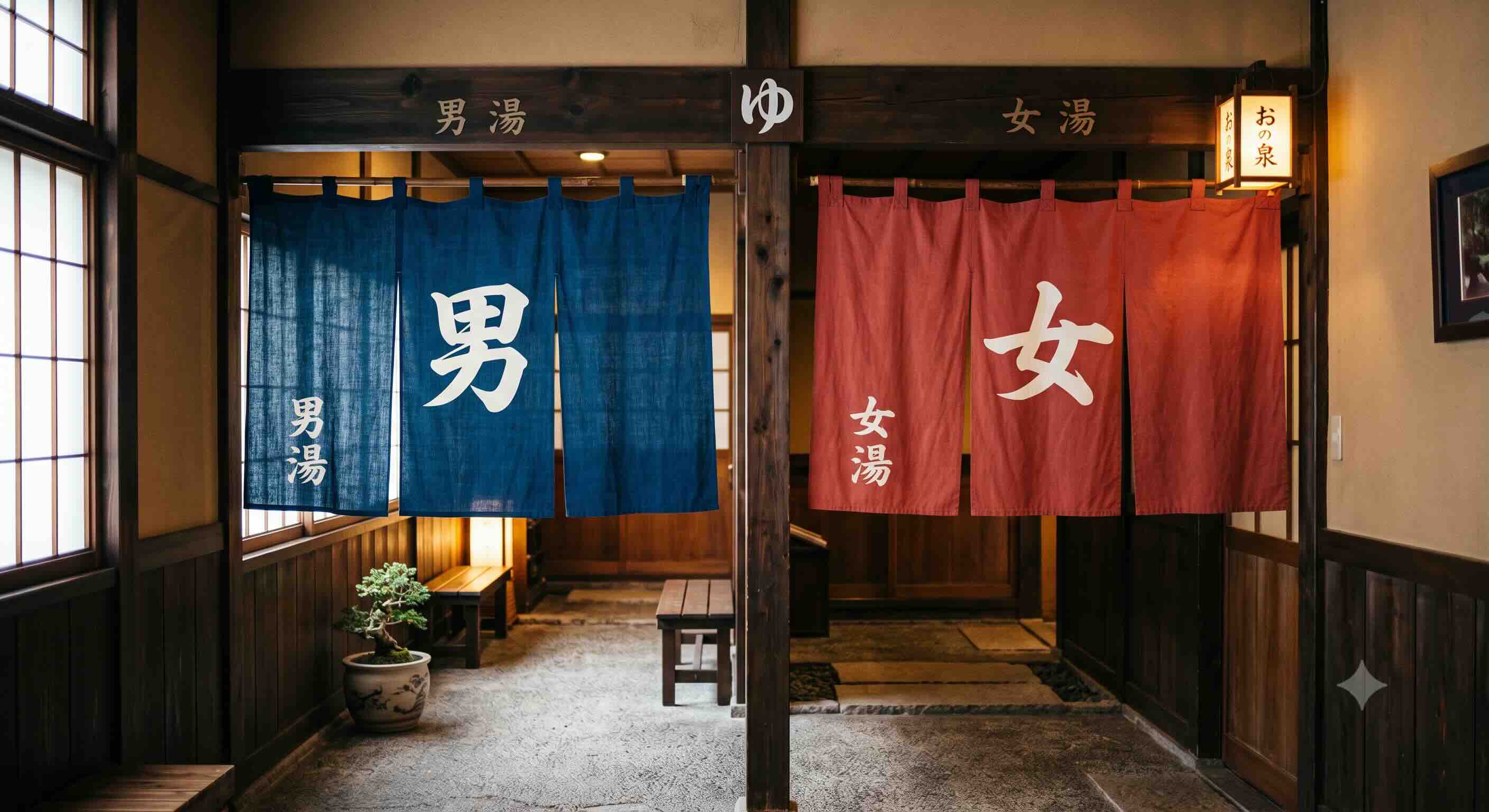
Look for the noren (fabric curtain)
-
Red curtain = Women's area (女 / onna)
-
Blue curtain = Men's area (男 / otoko)
-
Double-check the kanji if unsure
Step 3: Store everything
-
Strip completely
-
Store clothes, phone, and valuables in lockers
-
No phones or cameras allowed in bathing areas—ever
Step 4: Shower thoroughly
-
Take your small washcloth to the shower station
-
Scrub and rinse completely
-
Avoid splashing neighbours
Step 5: Enter the bath mindfully
-
Test the temperature with your foot first (37-42°C is standard)
-
Enter slowly—the heat can be intense
-
Do not dip your head, hair, or towel in the water
-
Place your folded washcloth on your head or beside the bath
Step 6: Soak and relax
-
Keep conversations low and brief
-
No splashing, swimming, or underwater movement
-
Stay for 10-15 minutes per soak (multiple sessions are fine)
-
Rotate between hot baths and cold plunges for circulation benefits
Step 7: Dry and exit
-
Pat yourself dry with the small towel before leaving the bathing area
-
This prevents dripping water across the changing room floor
-
Dry fully with your large towel before dressing
What to Do After Your Bath
Enjoy a cold milk drink, rest before alcohol, and let your body's post-soak relaxation fully settle.
Post-bath traditions:
-
Cold milk, coffee milk, or fruit milk from vending machines—a classic Japanese treat
-
Avoid alcohol for 1-2 hours to prevent dizziness
-
Drink water to rehydrate
-
Rest before strenuous activity
Health note: The mineral absorption continues after you leave, contributing to improved sleep and muscle recovery for up to 24 hours.
If the thought of soaking in waters that have healed emperors, writers, and travelers for over 3,000 years sounds like your ultimate escape, it's time to visit Japan's oldest hot spring town.
Ehime Unveiled is a 5-day, 4-night trip across Ehime Prefecture on the serene island of Shikoku. This curated itinerary perfectly balances deep cultural immersion, nostalgic slow travel, and restorative wellness. Step back in time at Japan's oldest and most iconic hot spring Dogo Onsen. Famed for its magnificent wooden bathhouse—which directly inspired the spirit bathhouse in Studio Ghibli’s Spirited Away—you'll experience the art of traditional Japanese bathing exactly as it has been practiced for millennia.