By Soul Trips · Updated on 09 October, 2026
Nepal Itinerary: 7, 10 and 14 Day Routes for Culture, Nature and Trekking
A good Nepal itinerary uses seven days for one clear theme, ten days for Kathmandu, Pokhara and Chitwan, and fourteen days for a deeper cultural route or a carefully selected trek. The key is to count transfers as travel days and protect your departure from mountain weather or long road delays.
These routes are planning frameworks rather than fixed packages. Add nights if you prefer slower mornings, require step free access or want meaningful wellness time. Remove a region before you remove every pause.
Before you choose a route
- Decide if culture, trekking, wildlife or wellness is the main purpose.
- Count the highest overnight elevation and plan acclimatisation.
- Limit one night stays, especially after long road transfers.
- Keep the final night in Kathmandu, with extra buffer after remote flights.
- Confirm the seasonal fit before booking flights and hotels.
Seven day Nepal itinerary for culture
- Day 1: Arrive in Kathmandu and rest after the flight.
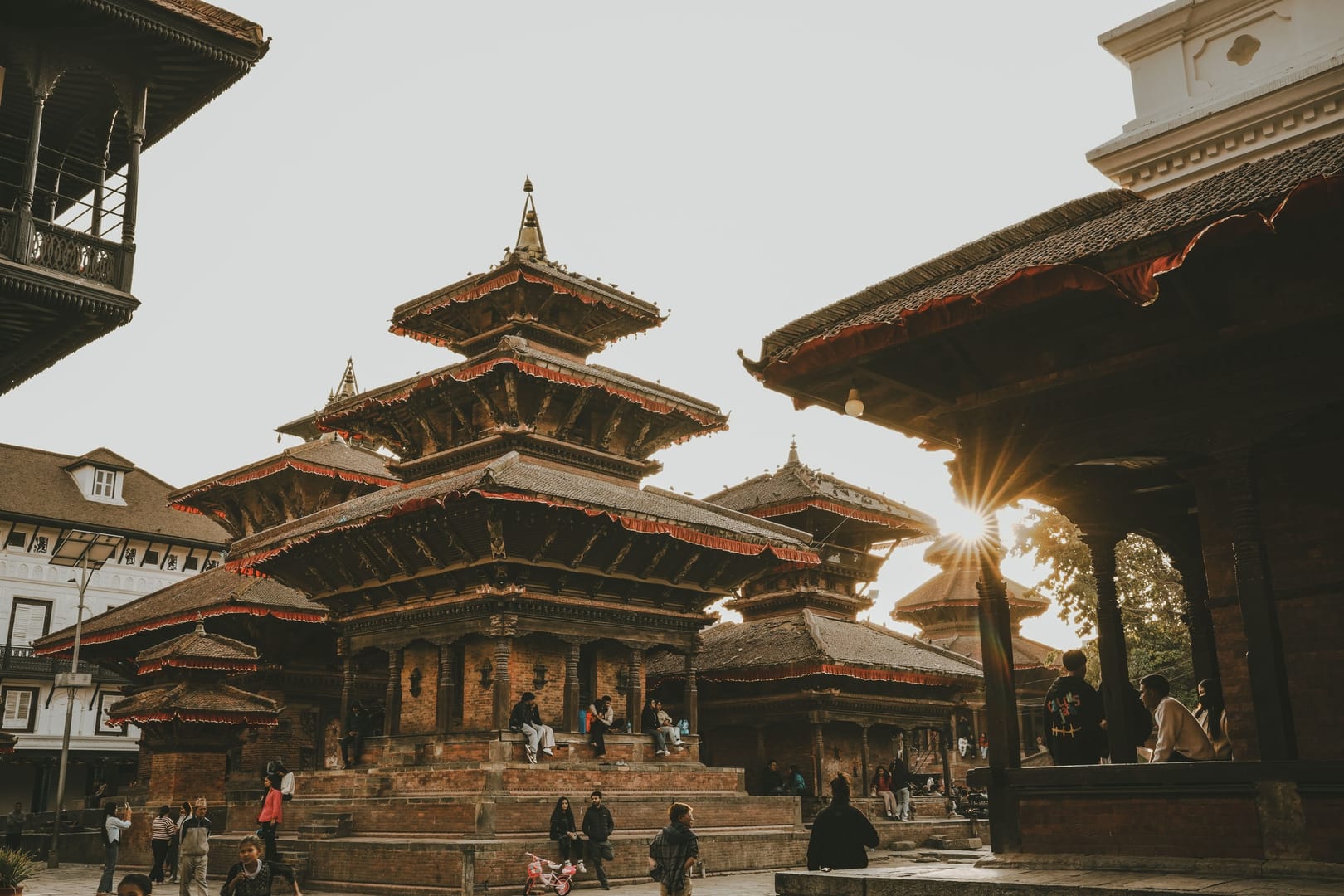
- Day 2: Explore Swayambhunath, Kathmandu Durbar Square and a local craft neighbourhood.
- Day 3: Visit Boudhanath and view Pashupatinath respectfully from permitted areas.
- Day 4: Travel to Panauti for village heritage and a community experience.
- Day 5: Continue through Namo Buddha to Dhulikhel or Nagarkot for hill views.
- Day 6: Explore Bhaktapur, then return to Kathmandu or stay in the old city.
- Day 7: Depart from Kathmandu.
Choose this route if living heritage and gentle walking matter more than ticking off regions. It follows the logic of the Nepal Hidden Heritage Trail and avoids losing two days to Pokhara or Chitwan transfers.
Seven day Nepal itinerary for scenery and variety
- Day 1: Arrive in Kathmandu.
- Day 2: Explore key Kathmandu Valley sacred sites.
- Day 3: Fly or drive to Pokhara and settle beside Phewa Lake.
- Day 4: See Pokhara, with a flexible sunrise viewpoint and museum or wellness time.
- Day 5: Continue to Chitwan, accepting a long active transfer day.
- Day 6: Take a full wildlife programme with an expert naturalist.
- Day 7: Fly from Bharatpur or drive to Kathmandu only if the international departure is later or on the following day.
This route is fast. Add one night in Kathmandu at the end if possible. The strongest improvement is not another attraction, but a protected departure buffer.
Ten day classic Nepal itinerary
- Days 1 to 3: Kathmandu Valley, separating Kathmandu, Patan or Bhaktapur and the sacred sites into manageable days.
- Days 4 to 6: Pokhara for the lake, Annapurna views, a short walk and a relaxed afternoon.
- Days 7 to 8: Chitwan for one full wildlife day and Tharu cultural context.
- Day 9: Return to Kathmandu and keep the evening unplanned.
- Day 10: Depart.
This is the most balanced first Nepal itinerary. It also resembles the regional mix in the Mindful Escape in Nepal, which adds yoga, meditation and Ayurveda to the same broad geography.
Ten day active cultural itinerary
- Days 1 to 3: Kathmandu and Patan with guided heritage visits.
- Days 4 to 6: Walk a supported valley route through Panauti, Namo Buddha and Dhulikhel.
- Days 7 to 8: Continue to Nagarkot and Bhaktapur.
- Day 9: Return to Kathmandu for shopping, rest and a farewell meal.
- Day 10: Depart.
Choose this route if you want daily walking without high altitude exposure. Private support allows you to carry a light day bag while luggage moves ahead.
Fourteen day culture, nature and short trek itinerary
- Days 1 to 3: Kathmandu Valley orientation and heritage.
- Day 4: Travel to Pokhara.
- Days 5 to 8: Complete a supported three or four night Annapurna foothill trek selected for the season and your fitness.
- Day 9: Recover in Pokhara with laundry, a comfortable room and a gentle afternoon.
- Days 10 to 12: Travel to Chitwan for two full nights and a wildlife programme.
- Day 13: Return to Kathmandu and keep the final night free.
- Day 14: Depart.
Fourteen day Kathmandu, Pokhara and Mustang itinerary
- Days 1 to 3: Kathmandu Valley.
- Days 4 to 5: Pokhara and final mountain preparation.
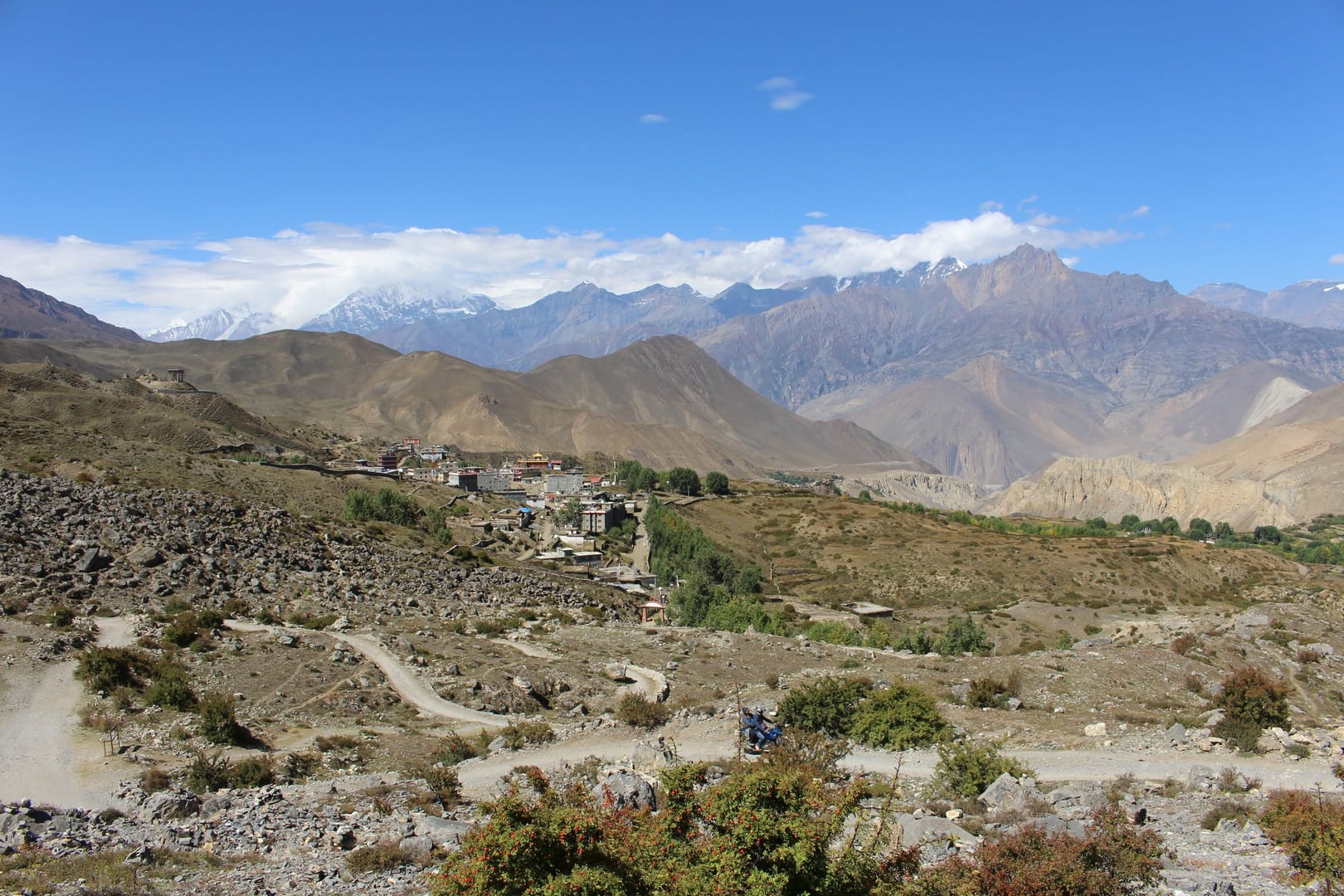
- Days 6 to 10: Lower Mustang through Jomsom, Marpha and Muktinath with route specific acclimatisation.
- Day 11: Return to Pokhara with a weather buffer.
- Day 12: Rest in Pokhara.
- Day 13: Return to Kathmandu.
- Day 14: Depart.
Do not compress the Mustang section to protect sightseeing elsewhere. Jomsom flights, mountain roads and altitude require flexibility. If you want Upper Mustang, extend beyond fourteen days or remove another region.
How Nepal seasons affect your trip
Spring and autumn are the easiest all round seasons for a first visit. Nepal has large altitude differences, so no single forecast represents the whole country. The official Nepal climate guide notes that about four fifths of annual rain falls during the June to September monsoon and that temperatures fall by roughly 6°C for every 1,000 metres of elevation.
March to May brings warmer days, rhododendron colour and strong trekking demand. Haze can build in the lower valleys before the monsoon, while higher areas remain cold at night. Book popular trails, guides and character hotels early.
Late September to November brings clearer mountain views after the monsoon and the strongest overall demand. October is especially busy. Reserve flights and trekking arrangements well ahead, then keep at least one flexible day around weather sensitive mountain sectors.
December to February suits Kathmandu, Pokhara, Chitwan and lower elevation walks if you pack for cold mornings and evenings. High passes can become difficult or unsafe. June to September is green and quieter, but rain, cloud, landslides and transport disruption require a flexible plan. Mustang can work well during part of this period because it lies in a rain shadow.
Getting around Nepal
Use private road transport for cultural touring, domestic flights for selected long sectors and guided walking for trekking routes. The Nepal Tourism Board transport guidance confirms that intercity buses and domestic air services connect the main regions, but journey quality and travel time vary sharply with road and weather conditions.
Kathmandu traffic makes short map distances slow. A private vehicle adds value when you are visiting several heritage zones, carrying luggage or travelling with children or older relatives. Leave early for Bhaktapur, Panauti, Dhulikhel and Nagarkot, and avoid placing a fixed international departure after a long road transfer.
Kathmandu to Pokhara can be flown or driven. Flying protects time but remains weather sensitive. Driving gives a better sense of the hills and allows a stop, yet road works and congestion can extend the day. Treat the transfer as a full travel segment rather than a small gap between activities.
Chitwan can be reached by road or a flight to Bharatpur followed by a lodge transfer. Lodge programmes often coordinate arrival times with wildlife activities, so confirm the exact meeting point before booking transport independently.
Mountain airports require conservative planning. Review the current Civil Aviation Authority domestic schedule, book early in busy seasons and keep a buffer before your international flight. Separate tickets transfer delay risk to you.
| Transport choice | Best use | Main caution |
|---|---|---|
| Private vehicle | Kathmandu Valley, road circuits and flexible stops | Road conditions and traffic can lengthen the day |
| Domestic flight | Pokhara, Bharatpur and remote mountain gateways | Weather disruption and strict baggage limits |
| Tourist bus | Budget travel between established centres | Long travel days and fixed departure points |
| Local taxi | Short city journeys | Agree the fare or insist on the meter before departure |
| Guided trek | Protected mountain routes | Permits, altitude and rescue planning must be arranged |
Where to stay and how to choose
In Kathmandu, Thamel suits first time visitors who want restaurants and easy traveller services. Boudha offers a calmer spiritual atmosphere around Boudhanath Stupa. Patan rewards travellers interested in Newar architecture and a slower neighbourhood feel. Choose a hotel with reliable vehicle access if your itinerary starts early each day.
Pokhara Lakeside is convenient for cafés, Phewa Lake and tour services. A quieter property away from the busiest strip works well for wellness or a longer stay. For sunrise views, Sarangkot can be memorable, but it is less convenient for evening dining and city sightseeing.
In Chitwan, choose the lodge programme before the exact room. Location, naturalist quality, vehicle use, river access and included activities shape the experience more than decorative style. Two nights is the practical minimum for a full wildlife day.
On treks, tea house standards change with elevation and remoteness. Expect simple rooms, shared bathrooms in some places, limited heating and paid charging or hot showers. A realistic comfort briefing prevents disappointment and helps you pack correctly.
SoulTrips currently uses named properties such as Hotel Mulberry, Temple Tree Resort and Barahi Jungle Lodge within its Mindful Escape in Nepal itinerary, subject to availability. Treat these as useful examples of route and comfort level, then confirm the exact hotel and room category in your proposal.
Health, safety and travel insurance
Arrange insurance that covers the highest elevation on your itinerary, trekking activity and helicopter evacuation if your route requires it. Read the current CDC Nepal health guidance and speak with a travel health professional in time to complete any recommended vaccinations.
Altitude illness can affect fit travellers. Do not ascend when symptoms are worsening. Build acclimatisation into the route, tell your guide promptly about headache, nausea, unusual fatigue or poor coordination, and descend if severe symptoms develop.
Road conditions, monsoon landslides and weather related flight disruption are more common practical risks than serious crime. Keep your final night in Kathmandu before an international departure, add another buffer if you are returning from a remote trek, and avoid driving after dark on unfamiliar mountain roads.
Use registered operators and keep copies of your passport, visa, insurance and permits. Nepal Tourist Police operate a toll free hotline on 1144, with details on the official Tourist Police page. Keep valuable items secured and use authorised money changers.
Advice for different travellers
Families should slow the pace and avoid long road transfers on consecutive days. Choose connected rooms where needed, carry familiar snacks and confirm minimum ages for rafting, paragliding or demanding treks. Kathmandu Valley, Pokhara and Chitwan combine well for a varied first journey.
Solo travellers gain reassurance from prearranged airport transport and a registered guide for remote areas. Do not trek alone. Share your route with someone at home and keep enough flexibility to accept weather changes without forcing unsafe decisions.
Older travellers should ask about stairs, bathroom access, vehicle height, walking surfaces and the distance from a lodge room to dining areas. Private transport and well placed hotels add more value than squeezing another destination into the route.
Travellers with limited mobility need detailed access checks. Historic squares have uneven brick, temples use steps, and older hotels may lack lifts. Pokhara has an accessible tourism trail, but accessibility is not consistent across the country, so request exact arrangements rather than broad assurances.
Understand Nepal by region
Kathmandu Valley is the cultural starting point for most journeys. The Kathmandu Valley World Heritage property contains seven monument zones, including the three Durbar Squares, Swayambhunath, Boudhanath, Pashupatinath and Changu Narayan. Plan at least three nights so you can separate the old cities and sacred sites instead of racing between them in traffic.
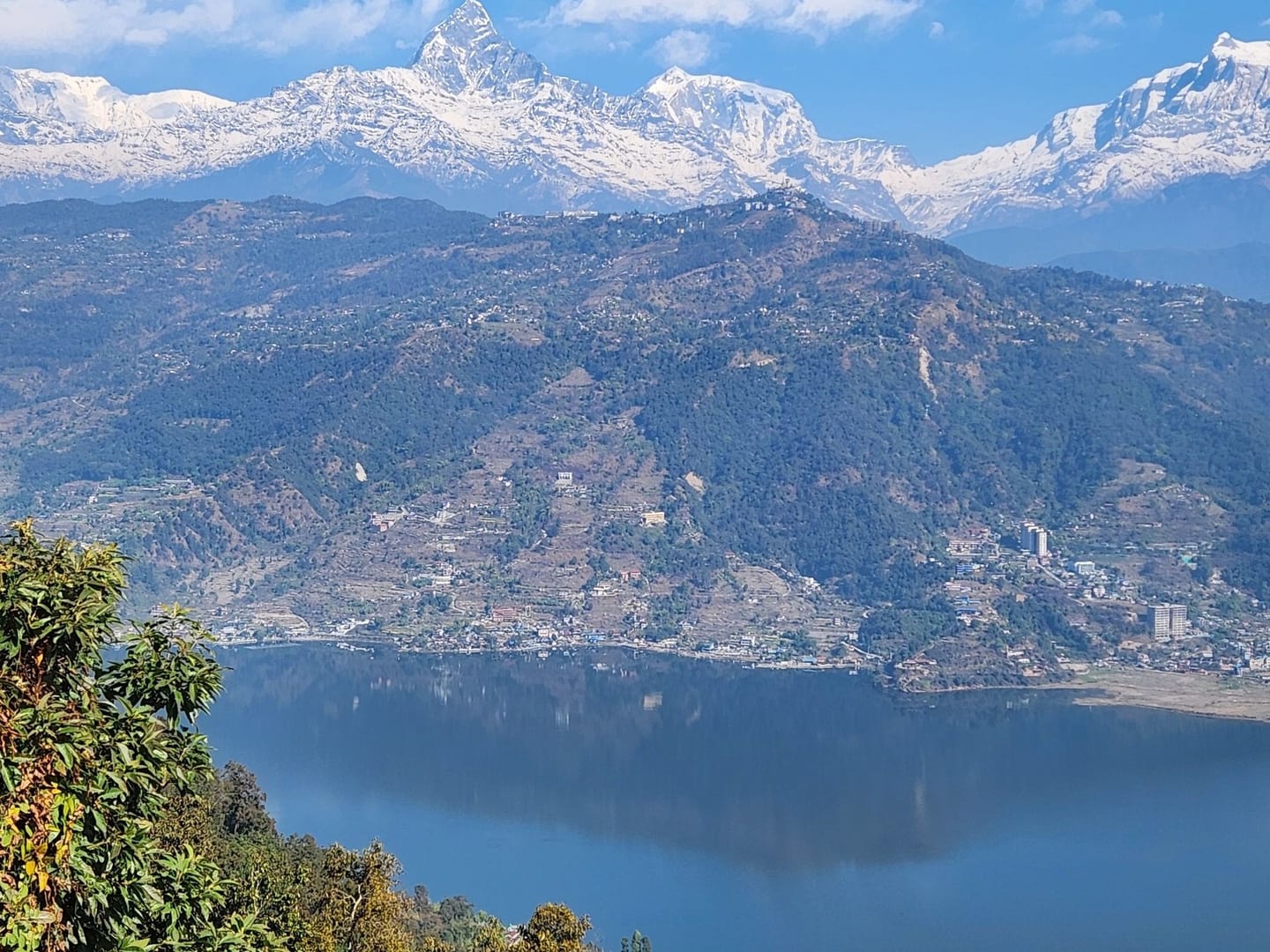
Pokhara gives you lakeside calm and close views towards the Annapurna range. The Nepal Tourism Board guide to Pokhara highlights Phewa Lake, the World Peace Pagoda, museums and active experiences. Two or three nights work well for a cultural journey, while a trek needs extra time before and after the trail.
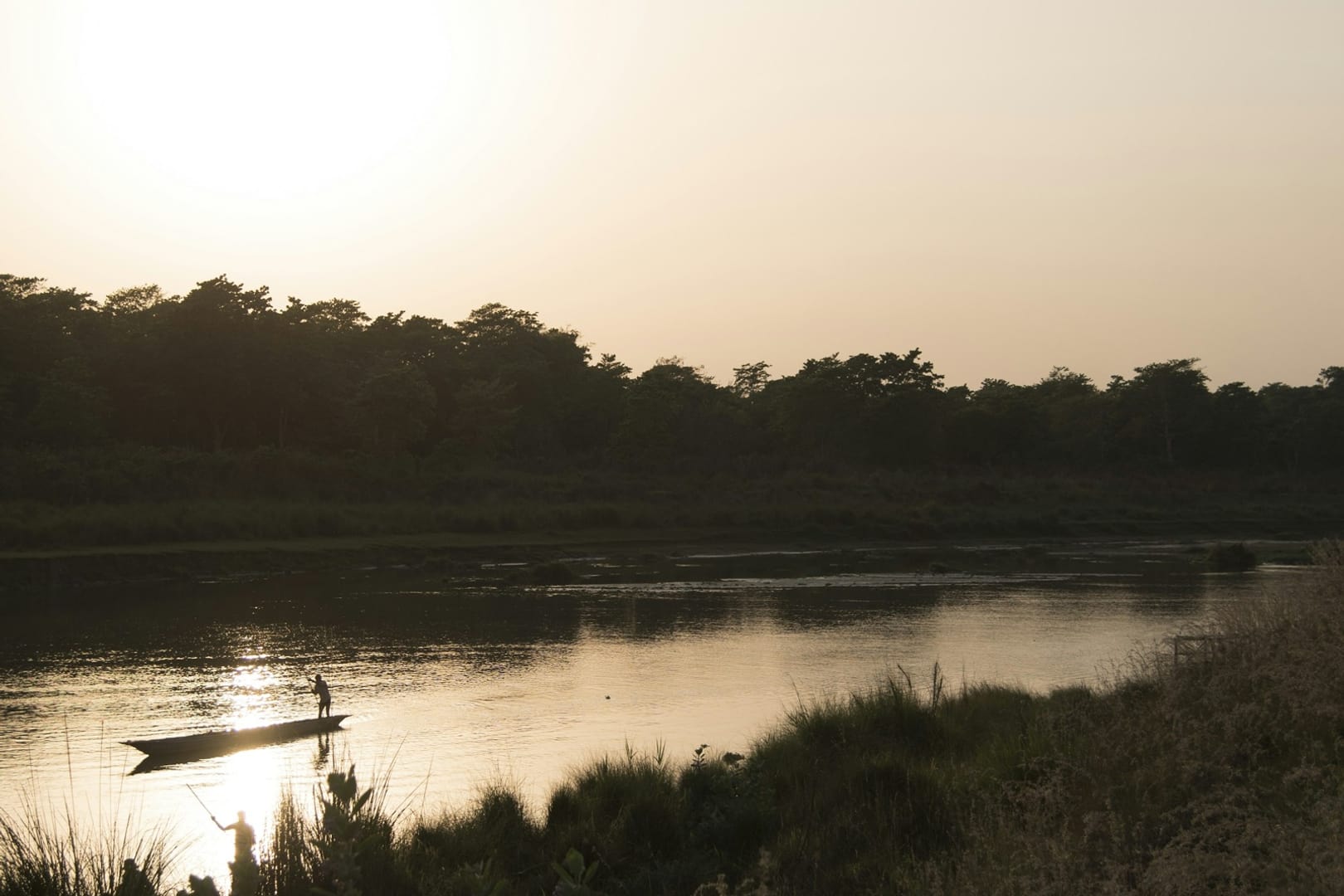
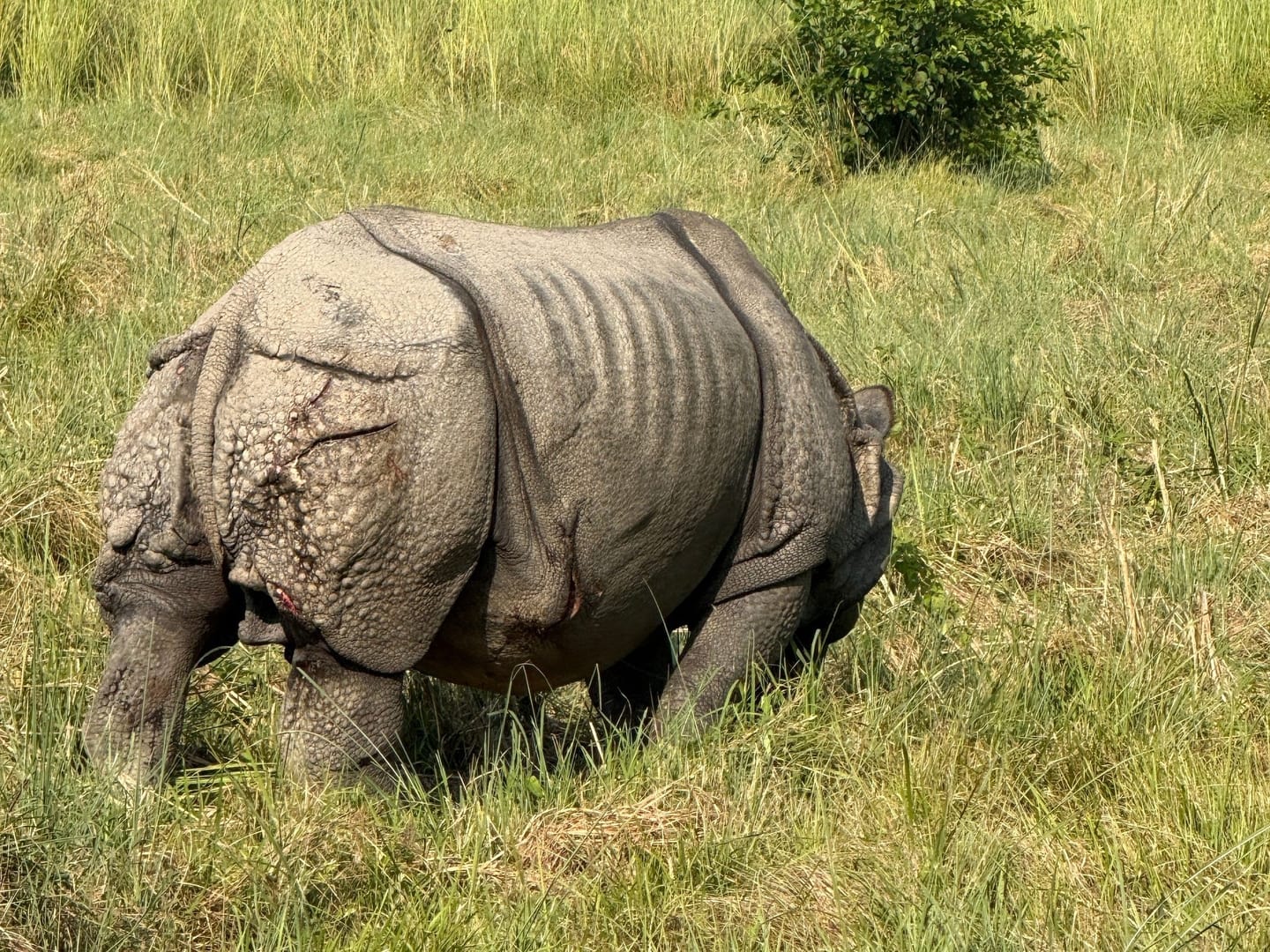
Chitwan changes the rhythm completely. Forest, river grassland and Tharu culture sit in the subtropical plains, with wildlife activities arranged by lodges and authorised guides. The official Chitwan overview places the park headquarters near Kasara, reached from Bharatpur or by road from Kathmandu.
Mustang lies beyond the main Himalayan barrier and has a much drier landscape. Lower Mustang can fit a comfortable scenic journey through Jomsom and Muktinath. Upper Mustang requires a restricted area permit and specialist arrangements. Use the official Upper Mustang guidance when assessing access and season.
The Everest and Annapurna regions are major trekking areas rather than simple sightseeing extensions. Routes reach serious altitude, weather affects flights and walking days, and permits differ. Read the SoulTrips advice on preparing for high altitude travel before you choose a route.
Visa and entry essentials
Most international visitors can obtain a tourist visa on arrival at Tribhuvan International Airport. The current Department of Immigration visa page lists multiple entry visas at USD 30 for 15 days, USD 50 for 30 days and USD 125 for 90 days. Complete the arrival card and online tourist visa form, pay the fee, then present the receipt and your passport at immigration.
Your passport must have at least six months of validity. Carry a spare passport photograph, a printed accommodation address, proof of onward travel and US dollars in good condition. Card payment is not always the fastest option at arrival, so keep enough cash for the visa fee.
A small group of nationalities must obtain a visa before travel. If this applies to your passport, use a Nepali diplomatic mission or the official electronic authorisation route rather than relying on arrival processing. Tourist stays are limited to 150 days in a calendar year.
Money, cards and connectivity
The currency is the Nepalese rupee. Cards are accepted at many larger hotels and restaurants in Kathmandu and Pokhara, but cash remains important for small shops, tips, rural meals, trail lodges and local transport. The official currency and card guidance recommends keeping exchange receipts, especially if you plan to convert remaining rupees before departure.
Use bank ATMs and authorised exchange counters. Carry more than one payment card and keep a small reserve of US dollars separate from your wallet. Remote areas can have unreliable cash access, so withdraw before leaving a major centre.
Local data is inexpensive compared with international roaming. Ncell sells registered tourist SIM and eSIM plans and requires your original passport for activation, as described on its official tourist mobile plan page. Coverage weakens in remote valleys, so download maps and key documents before travelling.
Responsible travel in practice
Refill water where safe treatment systems exist, carry waste out of remote areas and reduce single use plastic. Choose lodges and operators that employ local staff, explain porter welfare and respect park rules.
Do not buy wildlife products or remove religious or archaeological objects. Keep distance from wildlife in Chitwan, follow your naturalist and choose activities that do not depend on harmful animal handling.
Ask before photographing people and pay fairly for crafts or guided experiences. A community homestay is most meaningful when you arrive as a guest, follow household customs and allow the host to set boundaries.
What to book first
Book the difficult pieces in order: international flights, restricted or high altitude trekking support, distinctive lodges, domestic flights and private transport. City restaurants and flexible local activities can follow later.
Keep all sectors on one written day by day plan. Record flight numbers, baggage limits, transfer contacts, meal inclusions, permit responsibility and cancellation terms. This reveals gaps before they become travel problems.
Continue planning with SoulTrips
Use the Nepal destination guide alongside the wider Destination Guides library and practical Travel Tips. You can also compare SoulTrips destinations, start a personalised trip plan or contact a travel specialist.
Frequently asked questions
-
Is seven days enough for Nepal?
Yes, for one focused route. Choose Kathmandu Valley plus Pokhara, Chitwan or a valley walking circuit rather than all three.
-
What is the best ten day Nepal itinerary?
Kathmandu, Pokhara and Chitwan is the best balanced first route. It combines heritage, mountain scenery and wildlife with manageable transfers.
-
Can you trek within a ten day trip?
Yes, but choose a short foothill route and reduce other regions. A high altitude trek needs acclimatisation and weather buffers that should not be compressed.
-
Is fourteen days enough for Everest Base Camp?
Fourteen days can be tight once acclimatisation, flight delays and international buffers are included. Use a specialist route and add contingency time rather than relying on the minimum schedule.
-
Should you fly or drive to Pokhara?
Fly to protect time, or drive if you want the landscape and can accept a longer day. Weather can delay flights and road works can delay vehicles, so neither option removes the need for flexibility.
-
Can you combine Chitwan and trekking?
Yes. Place Chitwan after the trek if you want a comfortable wildlife stay and warmer climate during recovery. Avoid an immediate long transfer after a demanding trail day.
-
How many one night stays are reasonable?
Keep them to a minimum. One night can work for a transit point, but repeated one night stays make a Nepal itinerary tiring and vulnerable to delays.
-
Where should the final night be?
Keep the final night in Kathmandu. Add another buffer if you return from Lukla, Jomsom or a remote road region.
-
Can older travellers follow these itineraries?
Yes, with private transport, carefully checked hotels and shorter walking days. Remove rushed transfers and confirm stairs, bathrooms and vehicle access.
-
Can SoulTrips customise the routes?
Yes. SoulTrips can adjust pace, hotel style, activity, mobility support and seasonal routing, subject to current access and availability.
Build a Nepal itinerary with room to breathe
A strong Nepal itinerary protects the experiences you came for. Seven days needs focus, ten days supports a classic first route, and fourteen days creates room for a short trek or specialist region without turning every transfer into a race.
Compare the Nepal Hidden Heritage Trail, Mindful Escape in Nepal and Scenic Highlands Adventure, then ask SoulTrips to tailor the right pace.