
Bhutan: A Journey of Curiosity and Purpose with Mindfulnests (11D10N)
Overview
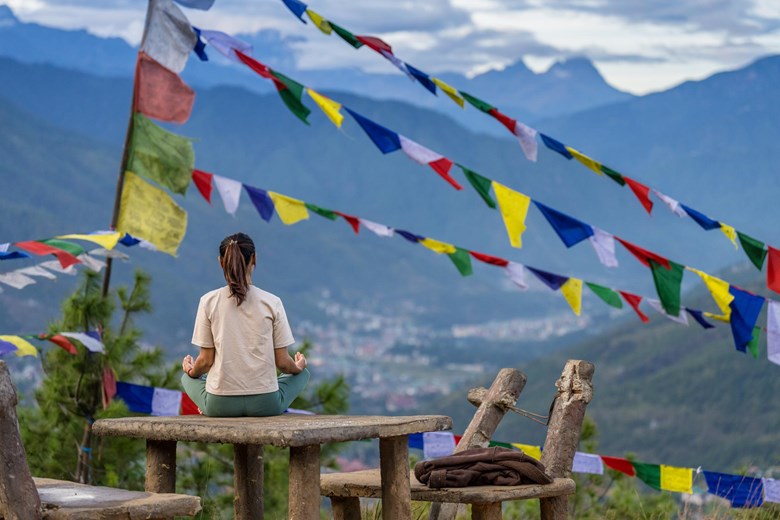
Mindfulnests, in collaboration with SoulTrips, has curated this journey to integrate cultural immersion, mindful experiences, and nature-led healing. From meditative walks through Himalayan valleys to encounters with vibrant local traditions, every activity is intentional—inviting curiosity, reflection, and a more conscious way of experiencing the world.
Trip Facilitator - York Cheng
" It is a purposeful journey, designed to unfold gently and quietly—leaving space for reflection, presence, and meaning."
York is a mindfulness educator who believes that journeys are invitations into deeper presence, reflection, and connection. With over 16 years of experience in experiential education and youth mentorship, she brings a steady and thoughtful approach to holding space for meaningful inner and outer exploration, supporting participants in slowing down, listening deeply, and reconnecting with what matters.
Her path into mindfulness was shaped by lived experiences of personal challenge and loss, deepening her commitment to practices that cultivate resilience, calm, and clarity. Alongside this, York’s exploration of Chinese Metaphysics emerged as a quest for alignment. Through the ancient wisdom of BaZi and Feng Shui, she discovered powerful tools for self-understanding.
York’s experience in Bhutan influenced her approach to mindfulness. She observed and admired how the Bhutanese integrate compassion, harmony, and reverence for nature into daily life. This experience continues to inform the way she guides others to cultivate curiosity, compassion, and a deeper connection with self and the world around them.
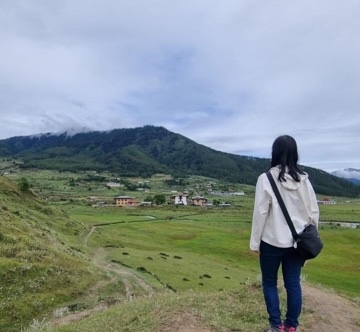
Join York as she introduces Bhutan as a living classroom, inviting travellers to deepen their connection with self, others, and the world around them.
York is a qualified mindfulness educator, holding a professional certification in Mindfulness-Based Stress Reduction (MBSR) from UC San Diego School of Medicine, Center for Mindfulness. She brings together mindfulness and ancient wisdom with warmth, clarity, and grounded presence.
Highlights
Cultural Heritage & Living History
Discover Bhutan’s living history through visits to the National Museum, Ogyen Choling Heritage House, and the Royal Heritage Museum. Dive deeper into understanding the Bhutanese way of life with hands-on experiences such as a tea appreciation experience and a natural dyeing workshop.
Mindfulness & Wellbeing
Moments of stillness are woven throughout the journey. These pauses encourage rest, introspection, and a deeper connection to Bhutan’s philosophy of balance and wellbeing.
Hotels
Stay in carefully selected properties that reflect Bhutan’s sense of place, including Rema Resort, Valley Resort, Hotel Phobjikha, Zen Punakha and Hotel Changangkha
Description
In Bhutan, healing is a way of life, seamlessly woven into culture, community, and the sacred landscapes that surround you. Guided by the principles of Gross National Happiness, the country places well-being, compassion, and harmony above material pursuits.
Trip Dates: November (please contact for dates)
What's Included
✔ One-way domestic airfare from Paro to Bumthang (Economy)
✔ Visa processing and Bhutan visa fees
✔ Private English-speaking licensed guide
✔ Private driver and vehicle
✔ All meals (breakfast, lunch, dinner)
✔ 3-star accommodation
✔ Sustainable Development Fee (SDF)
✔ Government taxes and service charges
✔ Entry fees to all sightseeing spots
✔ Complimentary rental of traditional Bhutanese attire (gho/kira)
What's Excluded
✖ International Airfare (we will assist with booking return flights via Drukair):
– From Singapore: approx. USD $1,010 per person
✖ Accommodation outside of Bhutan (for transit or to connect with your Bhutan flight)
✖ Travel insurance
✖ Tips for guide and driver
✖ Alcoholic beverages
✖ Personal expenses (laundry, shopping, etc)
✖ Optional activities (eg: hot stone bath, whitewater rafting, horse-riding, astrological reading, etc)
If you have any dietary requirements or allergies, please inform us when you book this trip.
Price - US$4,890 per person based on twin sharing (airfare will be quoted separately)
Single supplement - US$300
For bookings and enquiries, simply email us at hello@soultrips.co or get in touch through our contact form
Our Promise
- Hassle-free: Flights, visas, hotels, transport — we handle it all.
- Peace of mind: A dedicated Travel Specialist to support you.
- Convenience: A Travellers Portal gives you easy access to your itinerary, travel documents, and helpful resources, all in one convenient place.
Itinerary
Day 1 - Arrival Day
Paro
Sunday, May 31, 2026 (Vesak Day) | Elevation: 2200 m | Weather: 11 °C / 23°C | Drive Time ~N/A
Welcome to a land where every mountain holds a prayer, and the air itself seems woven with ancient mantras. You have arrived at the spiritual heart of the Himalayas.
This is Bhutan, the last great Vajrayana Buddhist kingdom on Earth. Here, spirituality is a way of life and kindness and compassion. It guides the nation's philosophy of Gross National Happiness (GNH), a profound commitment to collective well-being that places wisdom and contentment above all else.
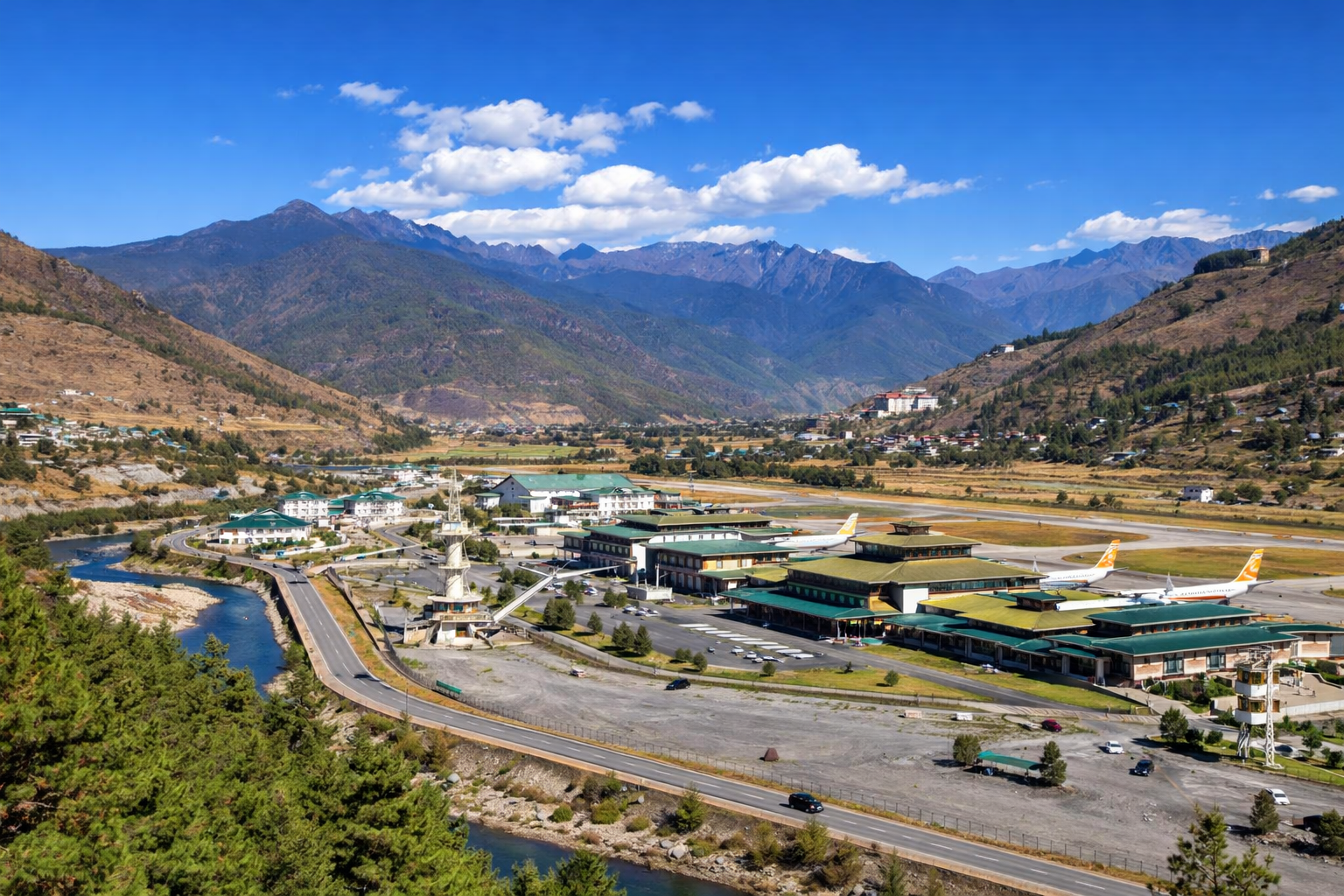
Touching down at Paro International Airport, you will be greeted by your guide upon exiting the arrival hall. Today, we will take it easy to acclimatize to the altitude.
Stay: Rema Resort or similar.
Meals: Dinner
Day 2 - Curiosity - Adopt a beginner's mindset
Paro
Monday, June 1, 2026 | Elevation: 2200 m | Weather: 11 °C / 23°C | Drive Time ~N/A
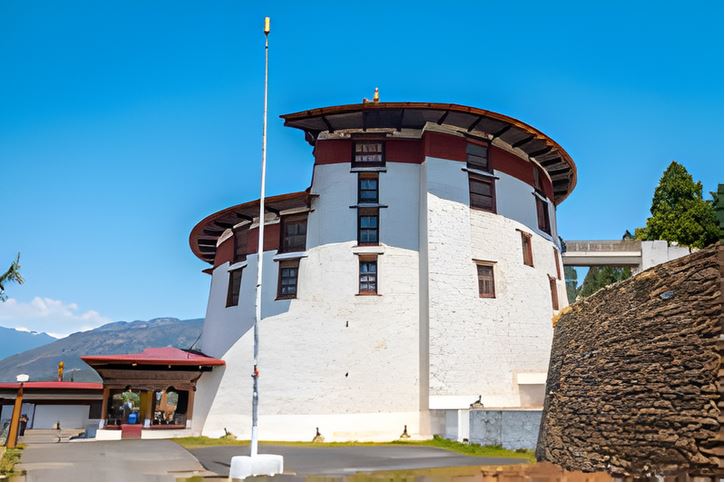
National Museum (Ta Dzong)
This striking circular fortress now houses the National Museum of Bhutan. With panoramic views over Paro Valley, a visit to Ta Dzong offers a rich and immersive journey through Bhutan’s cultural and spiritual heritage.
Originally built in 1649 as a watchtower to guard the valley, it was transformed into a museum in 1968. The museum showcases over 3,000 artefacts, including royal heirlooms, religious relics, and natural history displays. The architecture itself is remarkable, constructed without the use of nails and featuring thick stone-and-wood walls.
Gross National Happiness (GNH) talk
Learn about Bhutan's commitment to progress prioritises its people, culture, and pristine nature.
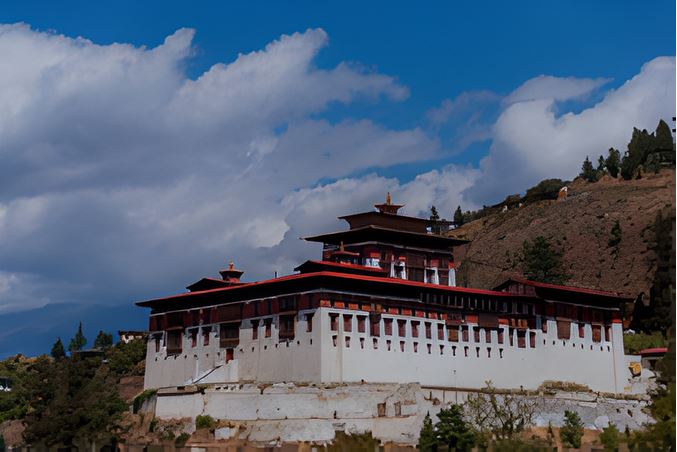
Paro Dzong
This 17th-century fortress-monastery is both the spiritual heart and administrative seat of Paro. Its towering white walls, intricate woodwork, and serene courtyards is home to 200 monks.
Create a powerful atmosphere for mindful presence and reflection on Bhutan's unified path of governance and faith.
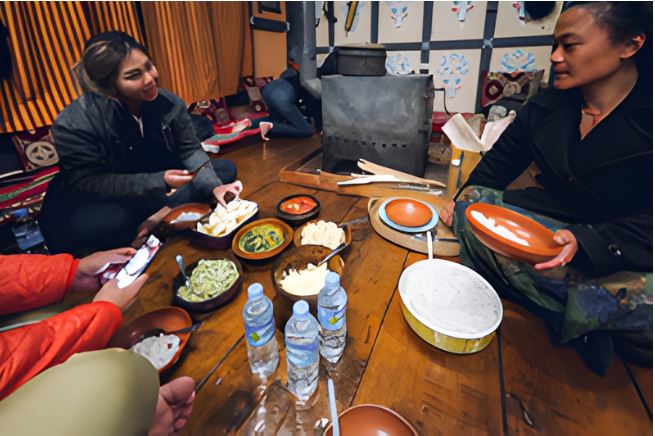
Dinner at a local FarmHouse
Experience authentic Bhutanese hospitality as you enjoy a traditional meal at a privately owned farmhouse—complete with typical Bhutanese dining etiquette and time-honored local dishes prepared with love.
Stay: Rema Resort or similar.
Meals: Breakfast, Lunch and Dinner
Day 3 - Connection ~ Interconnectedness with Self & Nature
Paro to Bumthang
Tuesday, June 2, 2026 | Elevation: 2800 m | Weather: 1 °C / 11°C | Flight time: ~ 40 min
Domestic flight from Paro to Bumthang
Bumthang is a valley of sacred temples, rolling meadows, and serene rivers. Often called the “Switzerland of Bhutan,” it is a place where ancient traditions thrive alongside untouched natural beauty. Here, monasteries and dzongs punctuate the landscape, and local communities uphold centuries-old customs with warmth and grace. Bumthang invites travelers to slow down, breathe deeply, and immerse themselves in a mindful journey through culture, spirituality, and the pristine Himalayan environment.
Tamshing Goemba
Also known as the Temple of the Good Message, Tamshing Goemba (founded 1501) offers a profound space for stillness and connection. This small, intimate monastery invites you to slow down and breathe in the scent of incense and cypress. As you step into the dimly lit prayer hall, you are enveloped by the presence of 500-year-old murals—some of the oldest in the Himalayas—painted with natural mineral pigments that still hum with quiet energy. It is a place to pause, and simply be, far removed from the distractions of the modern world."
Kurjey Lhakhang
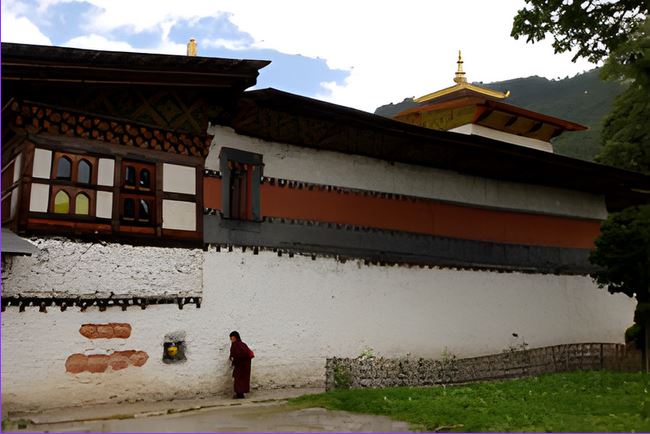
One of Bhutan’s most auspicious sites, Kurjey Lhakhang consists of three majestic temples encircled by a wall of 108 chortens. Its name, meaning "Body Imprint," reveals its most sacred treasure: a cave inside the oldest temple where Guru Rinpoche meditated in the 8th century, leaving his physical imprint etched into the rock wall.
Take a mindful walk from Kurjey Lhakhang along the Chamkhar Chhu River, following prayer-flag-lined paths through fields and villages. Guided by the flow of water and the quiet presence of sacred temples, you will be able to slow your pace, quiet your mind, and immerse yourself fully in the spiritual rhythm of Bumthang’s valleys
Ura Valley
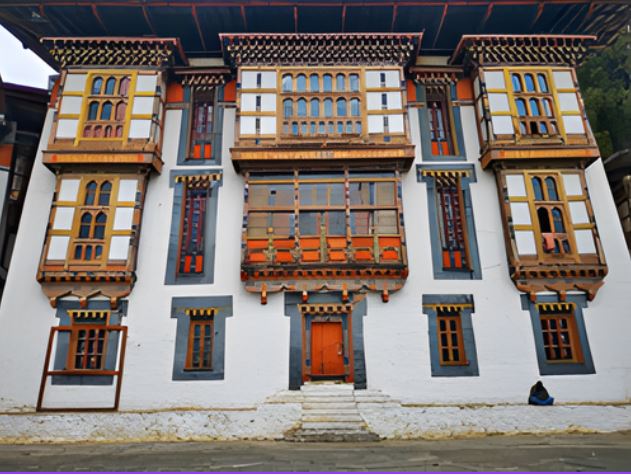
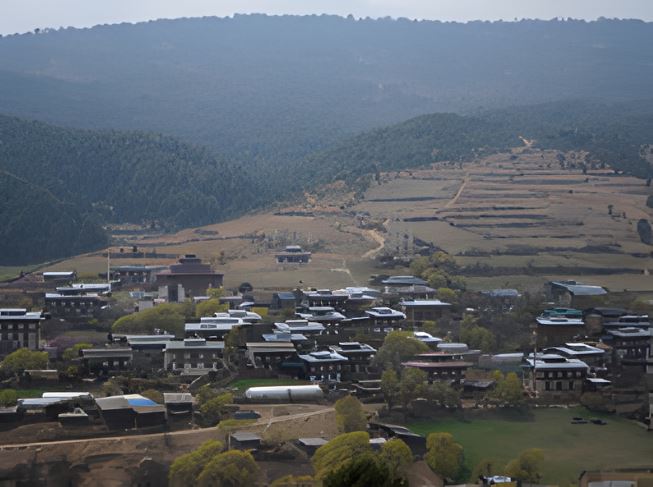
At 3,100 meters, Ura Valley feels closer to the heavens than the earth. This high-altitude sanctuary is often veiled in mist, revealing rolling pastures of buckwheat and sheep that glow golden in the sunlight. The village itself is a rare cluster of traditional stone houses centered around the Ura Lhakhang, where the community gathers for sacred rituals. It is a place of profound silence and spiritual clarity, where the stark beauty of the landscape mirrors the deep devotion of its people. While in Ura visit the Ura Monastery and simply enjoy the meadows and the beautiful landscapes.
Stay: Valley Resort or similar.
Meals: Breakfast, Lunch and Dinner
Day 4 - Intention - For the Journey & Beyond
Bumthang
Wednesday, June 3, 2026 | Elevation: 2800 m | Weather: 1 °C / 11°C
Mebar Tsho (Burning Lake)
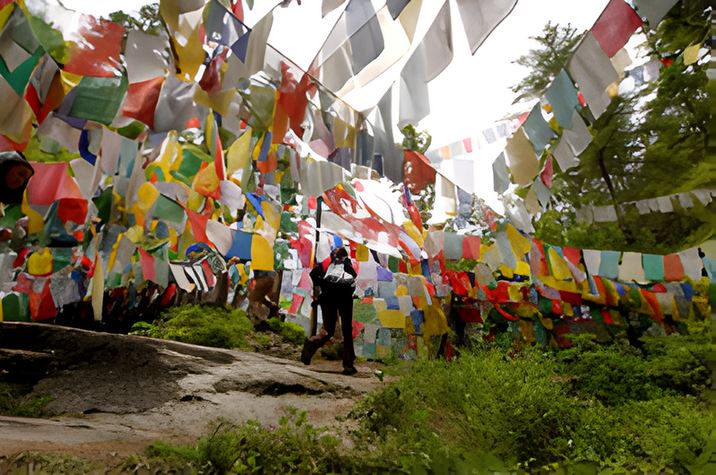
This is one of Bhutan’s most sacred spiritual sites. This serene, mystical pool is where the great saint Pema Lingpa is said to have discovered hidden treasures (termas) revealed to him by Guru Rinpoche. According to legend, Pema Lingpa leapt into the lake with a burning butter lamp—and emerged holding sacred texts and relics, with the lamp still alight. It’s a peaceful, reflective stop where the natural beauty of the landscape meets deep spiritual resonance—a must-visit for those exploring Bhutan’s sacred heartland.
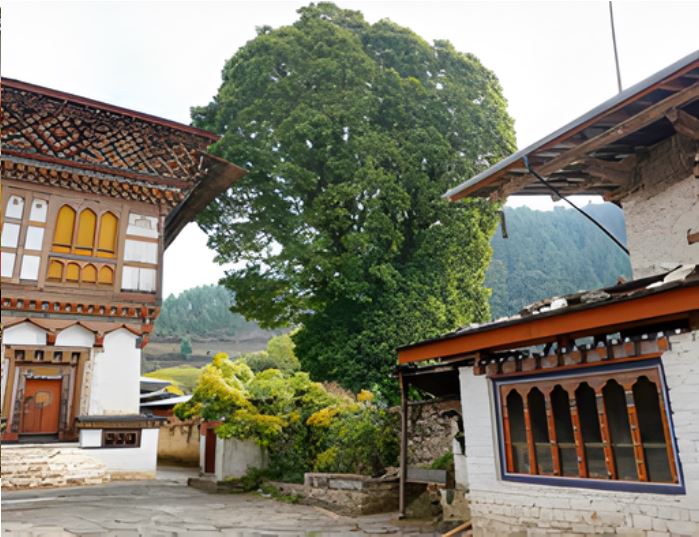
Ogyen Choling Heritage House
Located in the upper part of the Tang Valley of Bumthang, this restored ancestral manor has been privately owned by the same family for hundreds of years. Surrounded by forested hills and open valley views, the estate invites quiet contemplation, allowing guests to experience Bhutan’s living heritage in an atmosphere of elegance, authenticity, and deep cultural resonance.
Stay: Valley Resort or similar.
Meals: Breakfast, Lunch and Dinner
Day 5 - Patience - Invitation to trust that life will unfold in its own time
Bumthang to Gangtey via Trongsa
Thursday, June 4, 2026 | Elevation: 3,000 m | Weather: 11 °C / 21 °C | Drive Time: ~5 hours
Trongsa sits at the very heart of Bhutan, both geographically and historically. Perched dramatically above a deep gorge, the formidable Trongsa Dzong is the nation’s largest fortress and the ancestral seat of Bhutan’s royal family. Once the strategic gateway between eastern and western Bhutan, Trongsa has shaped the country’s political and cultural destiny for centuries. Surrounded by dense forests and winding mountain roads, the town exudes a quiet gravitas. Visiting Trongsa offers insight into Bhutan’s monarchy, spiritual heritage, and the enduring role of dzongs as centres of governance and faith.
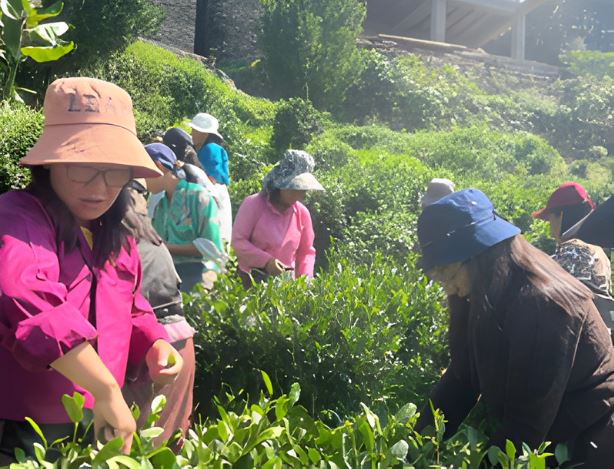
A Tea-Brewing Meditation at the Royal Heritage Museum
Samcholing tea, one of Bhutan’s rarest teas, traces its roots to the country’s first tea plantations established in the 1950s under Royal Patronage. Today, this history is carried forward by the Samcholing Tea Cooperative, a group of over 30 local women.
Embrace a moment of mindful reflection while you appreciate the origins of the tea, which is prepared in a method passed down by a South Korean botanist who lived in Samcholing.
Royal Heritage Museum
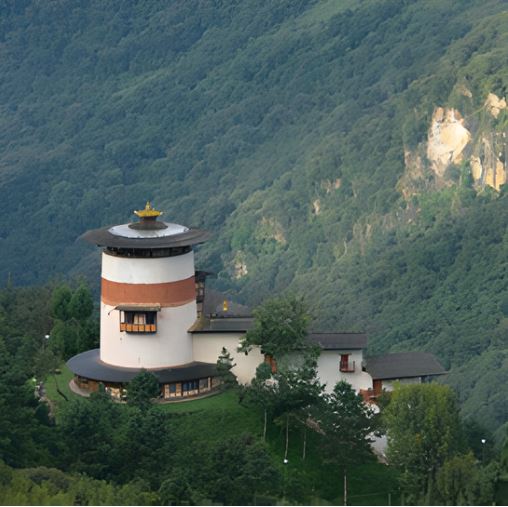
Rising above the valley and overlooking the magnificent Trongsa Dzong, this is a museum dedicated to the Wangchuck dynasty, Bhutan’s royal family. Perched above the valley with sweeping views of the majestic Trongsa Dzong, the Royal Heritage Museum celebrates the legacy of the Wangchuck dynasty, Bhutan’s royal family. Through carefully curated exhibits, visitors can explore Bhutan’s royal history, cultural heritage, and the vision of the kings who shaped the nation. The museum offers an intimate and immersive experience, connecting guests with Bhutan’s past while overlooking one of the country’s most iconic architectural landmarks.
Drive to Gangtey
We drive to Gangtey and rest for the night
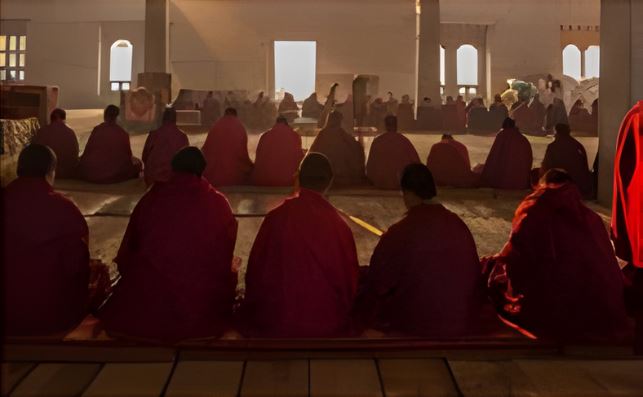
Evening Prayer at The Shedra
Experience the evening prayers at the Gangtey Shedra (Buddhist College), where approximately 300 monks study. The Evening Prayer takes place every evening from 18:30-19:30 (except Saturdays). It is possible to combine the 17:30 meditation class with the evening prayer. After the prayer session, you are invited to discuss any topics you wish with the monks.
Stay: Hotel Phobjikha or similar.
Meals: Breakfast, Lunch and Dinner
Day 6 - Nature - Appreciate the Vastness of Mountains & Valleys
Gangtey
Friday, June 5, 2026 | Elevation: 3,000 m | Weather: 11 °C / 21 °C | Drive Time: ~N/A
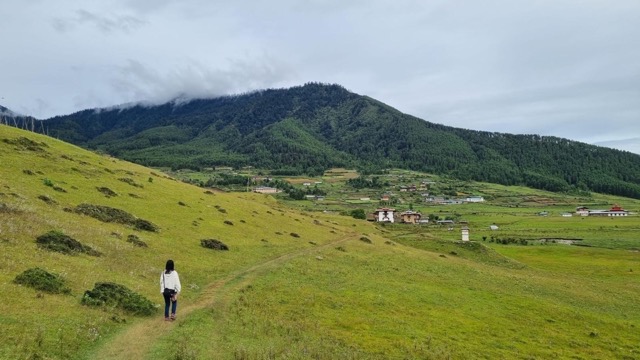
Gangtey, set high in Bhutan’s Phobjikha Valley, is a place where nature, spirituality, and tradition exist in quiet harmony. Framed by sweeping alpine meadows and mist-laced mountains, the village is best known for Gangtey Monastery, a 17th-century Nyingma institution that anchors the valley’s spiritual life. Each winter, the endangered black-necked cranes migrate here from Tibet, transforming Gangtey into one of Bhutan’s most poignant wildlife sanctuaries. Unhurried and contemplative, Gangtey offers travellers a rare luxury: space to breathe, reflect, and reconnect with the rhythms of the natural world.
Gangtey Nature Trail
Nestled in a U-shaped glacial valley, the Gangtey Nature Trail offers a 90-minute mindful hike designed for presence rather than pace. Starting near Gangtey Goemba, the trail meanders down to Semchubara Village, inviting participants to engage their senses, notice the sounds and textures of nature, and soften into the rhythm of the land, before ending near a primary school across a metal bridge.
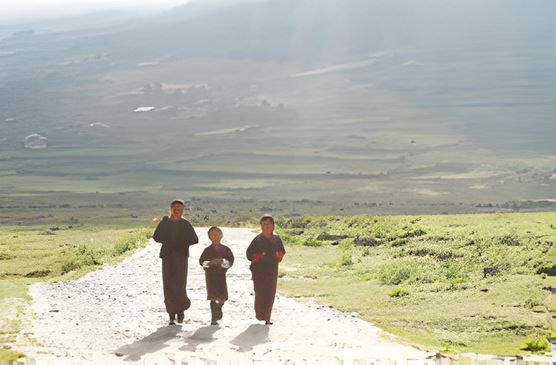
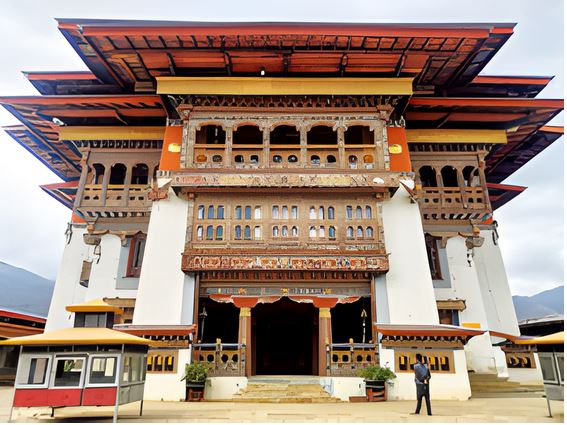
Gangtey Goempa
Perched on a forested hill overlooking the stunning Phobjikha Valley, Gangtey Monastery (Gangtey Goemba) is one of the most important Nyingma institutions in Bhutan. Founded in the early 17th century by Pema Thinley, the grandson of the great treasure revealer Pema Lingpa, this hilltop monastery is both a spiritual center and a historic landmark. The monastery’s serene courtyard and beautifully restored architecture offer a glimpse into Bhutan’s rich spiritual tradition. A visit here offers not only spiritual insight but also panoramic views and a deeper appreciation of the cultural harmony between nature and tradition in the valley below.
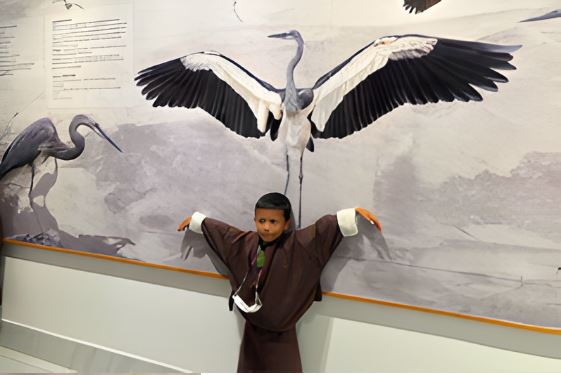
Black-Necked Crane Information Centre
Phobjikha Valley is the winter home of the endangered Black-necked Crane (Grus nigricollis). Each year, around 600 of these majestic birds migrate from the Tibetan Plateau to Bhutan. The cranes arrive in early November and stay until the end of February, gracefully roaming the wetlands and farmlands of the valley.
A wildlife sanctuary, the Black-Necked Crane Information Centre, offers informative displays on the valley’s unique ecology.
Stay: Hotel Phobjikha or similar.
Meals: Breakfast, Lunch and Dinner
Day 7 - Compassion - Offer Compassion to Self & All Around Us
Gangtey to Punakha
Saturday, June 6, 2026 | Elevation: 1,242 m | Weather: 18 °C / 29 °C | Drive Time: ~2 hours
Punakha, the ancient capital of Bhutan, is set within a valley of timeless scenery and warm, subtropical weather. Its crown jewel is the majestic Punakha Dzong, standing resplendent at the confluence of the Pho and Mo rivers. As the winter home of the Chief Abbot and the monastic body, the Dzong is also the historic stage for royal weddings and coronations. The beauty of this architectural masterpiece, combined with the valley’s serene atmosphere, radiates a profound peace that naturally invites quiet reflection.
Punakha Dzong “Palace of Great Happiness”
Serving as the administrative hub for royal weddings and coronations, this riverfront fortress captivates with intricate woodwork and the sacred energy of over 1,000 chanting monks.
This architectural masterpiece was built in 1637 by Zhabdrung Ngawang Namgyal, the great unifier of Bhutan. It now serves as the winter residence of the Je Khenpo, the spiritual head of Bhutan, and houses a monastic community of over 1,000 monks. Marvel at the intricate woodwork and artistry that adorn the halls and courtyards, and let the sacred energy of this historic site leave a lasting impression on your journey.
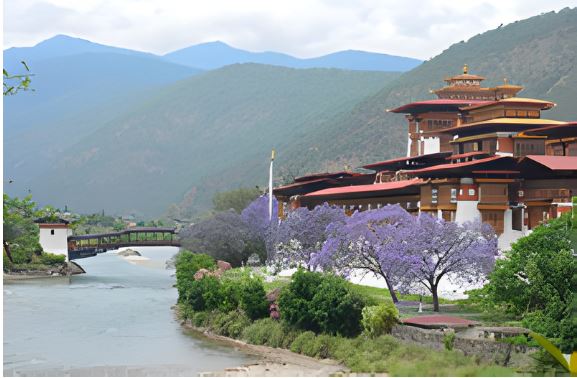
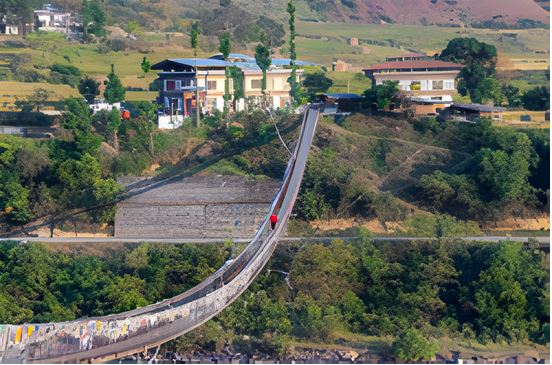
Pho Chhu Suspension Bridge
Stretching 160 metres across the Pho Chhu River, this is the longest suspension bridge in Bhutan. From its swaying span, you’ll be treated to breathtaking views of the majestic Punakha Dzong and the lush Pho Chhu Valley —an unforgettable vantage point for photos and quiet reflection.
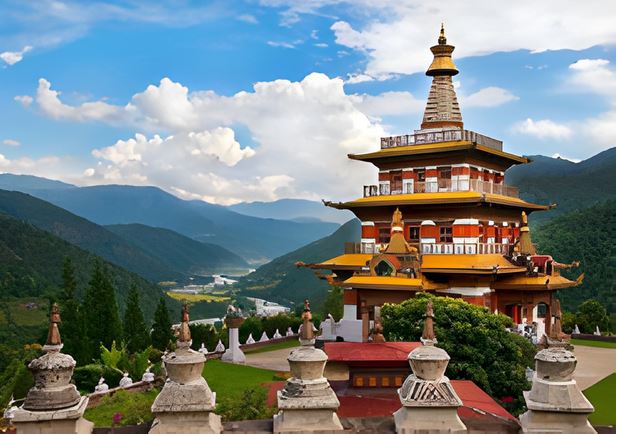
Khamsum Yulley Namgyal Chorten
Khamsum Yulley Namgyal Chorten is a vibrant architectural jewel overlooking the lush Punakha Valley. This majestic pagoda-style shrine is surrounded by emerald rice terraces, offering a visual harmony that calms the senses. Reaching the top reveals a panoramic stillness that naturally guides the heart toward deep presence and inner quiet. Every intricate detail of the structure serves as a clarity and restoration.
Stay: Zen Punakha or similar.
Meals: Breakfast, Lunch and Dinner
Day 8 -Acceptance - Meet Life with Openness
Punakha to Thimphu
Sunday, June 7, 2026 | Elevation: 2,334 m | Weather: 13 °C / 22 °C | Drive Time: ~3 hours
Thimphu, Bhutan’s vibrant capital, uniquely blends ancient traditions with modern development. Home to the majestic Tashichho Dzong and the giant Buddha Dordenma, it remains the only world capital without traffic lights. It is the center of government, religion, and the country’s thriving textile heritage.
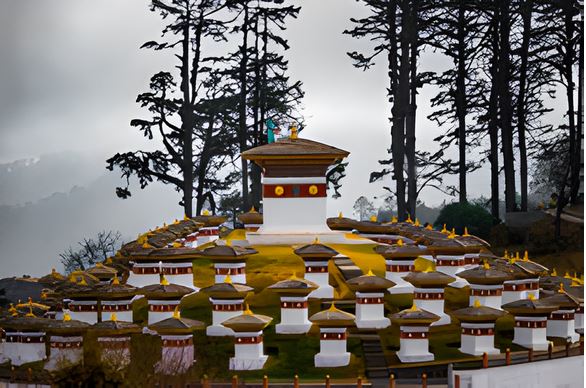
Dochula Pass
Perched at an altitude of 3,100 metres, Dochula Pass is one of Bhutan’s most serene and awe-inspiring mountain passes. Often cloaked in mist, with prayer flags fluttering in the breeze, it’s a place where time seems to slow down. The pass is adorned with 108 memorial chortens, built in honour of Bhutanese soldiers, and offers panoramic views of the snow-capped Himalayan range on clear days. Whether you're pausing for reflection or simply soaking in the stillness, Dochula invites you to breathe deeply, feel the peace, and reconnect with the beauty of the journey.
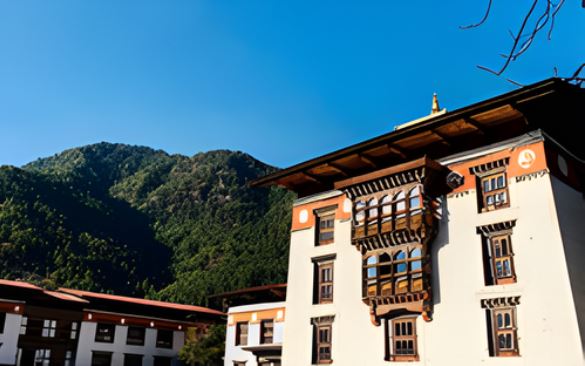
Pangri Zampa
This riverside monastery, with nearly 500 years of history, is Bhutan’s premier Royal College of Astrology—where monks study cosmic wisdom and locals come for personal readings or auspicious dates for major events. Step into its tranquil courtyard, feel the calm as monks chant, and explore astrology classrooms and ancient temples. You can receive your own astrological reading in a prayer-filled atmosphere—an unforgettable glimpse into Bhutanese tradition and belief.
Buddha Point
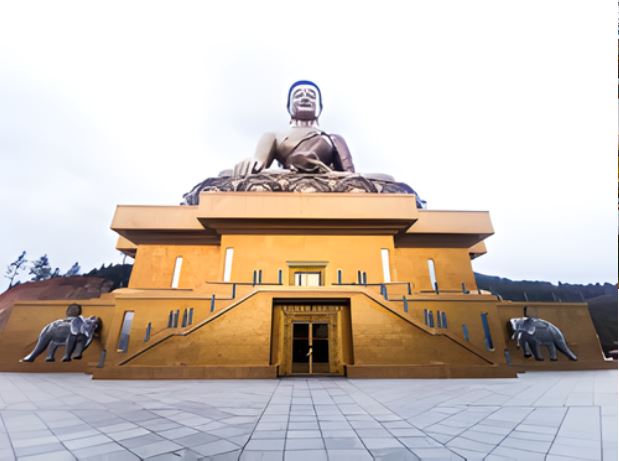
Towering above Thimphu Valley from the tranquil Kuenselphodrang Nature Park, the majestic Buddha Dordenma is a sight to behold. Standing at a staggering 51.5 metres, this golden statue is one of the largest seated Buddhas in the world—and it’s not just its size that impresses. Nestled inside are over 100,000 smaller Buddha statues, each crafted with the same devotion and detail. More than a monument, the Buddha Dordenma is a symbol of indestructibility and spiritual awakening, believed to bless the land with peace and harmony.
Stay: Changangkha Heritage Hotel or similar.
Meals: Breakfast, Lunch and Dinner
Day 9 - Clarity - Develop Calm & Clarity with What Lies Ahead
Thimphu to Paro
Monday, June 8, 2026 | Elevation: 2,200 m | Weather: 11 °C / 23 °C | Drive Time: ~1.5 hours
Drukvana
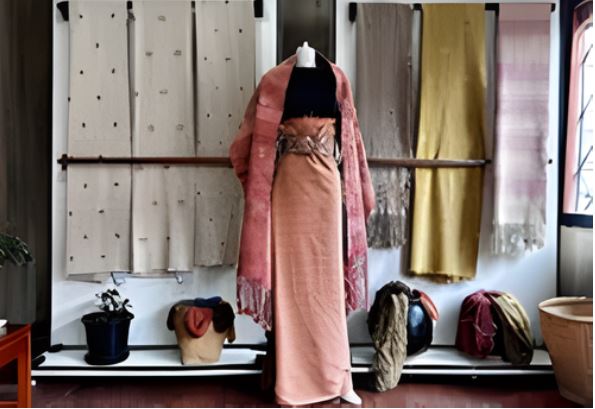
Nature and traditional weaving come together in harmony. Every handmade textile has a story of care. The process of using natural dyes and weaving by hand helps visitors slow down and find peace of mind. Visitors can engage in hands-on experiences such as weaving and natural dyeing. Currently, there is a "Biodiversity meets Design" exhibition with a Bio-Acoustic Collection, where textile patterns are created using the sounds made by endangered bird calls.
Lunch in Thimphu. Drive to Paro after lunch
Paro Valley
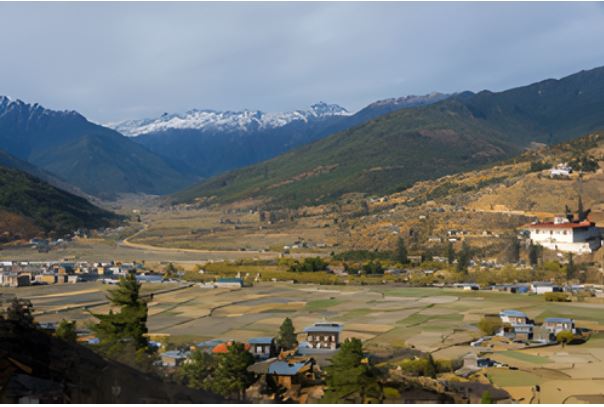
Paro Valley is one of Bhutan’s most breathtaking regions, offering a stunning blend of natural beauty, cultural depth, and spiritual heritage. The beautiful valley is home to many of Bhutan's oldest monasteries and temples. At the northern end of the valley towers Mount Jomolhari, rising to 7,300 metres, whose glacier-fed waters form the Pachu River that flows serenely through the valley. Surrounded by pine forests, terraced fields, and traditional farmhouses, Paro Valley captures the timeless charm of Bhutan, making it an unforgettable destination for nature lovers and culture seekers alike.
Stay: Rema Resort or similar.
Meals: Breakfast, Lunch and Dinner
Day 10 - Resilience - A Mindful Presence for a Spiritual Journey
Paro
Tuesday, June 9, 2026 | Elevation: 2,200 m | Weather: 11 °C / 23 °C | Drive Time: ~N/A
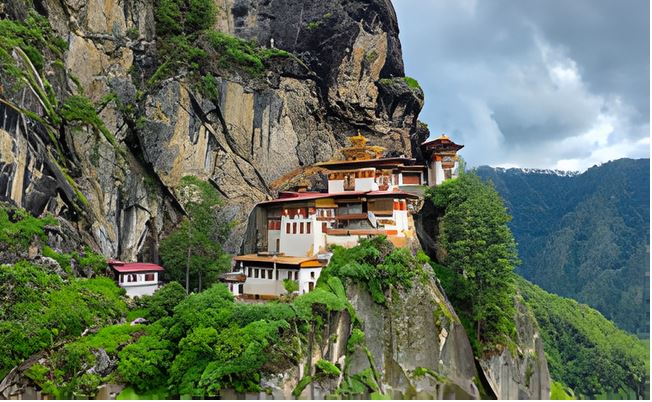
Today, we will hike up to Tiger’s Nest, also known as Taktsang Monastery.
Taktsang Monastery
They say, "a visit to Bhutan is not complete without climbing up to the Tiger's Nest." Taktsang Monastery, famously known as the Tiger’s Nest, is Bhutan’s most iconic landmark, dramatically perched on a cliffside 3,120 metres above sea level in Paro Valley. According to legend, Guru Padmasambhava flew to this site in the 8th century on the back of a tigress and meditated in a cave that now lies at the heart of the monastery. Built in 1692, the complex includes temples, meditation caves, and stunning viewpoints that seem to defy gravity. Reaching the monastery involves a 3 hour hike through pine forests and fluttering prayer flags—a spiritual and physical journey that rewards you with breathtaking views and deep serenity.
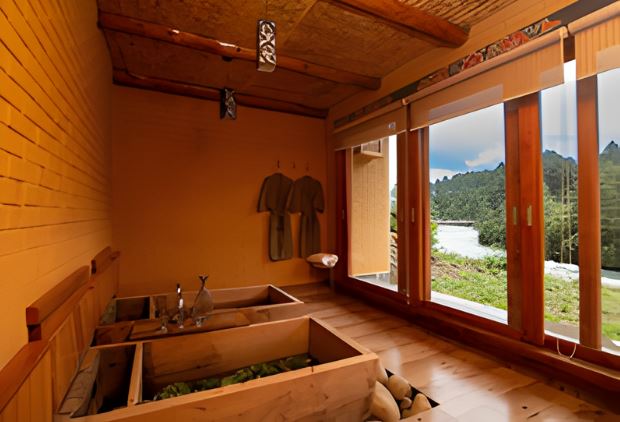
Hot stone bath at Zanta Spa (Optional)
Step into a world of tranquillity at Zanta Spa, where Bhutan’s serene landscapes meet ancient Himalayan wellness traditions. Nestled in the heart of Paro, this boutique spa is a sanctuary for travellers seeking balance, rejuvenation, and a deeper connection with Bhutan’s spiritual essence.
You can pamper yourself with a traditional hot stone bath (additional charges apply).
Stay: Rema Resort or similar.
Meals: Breakfast, Lunch and Dinner
Day 11 - Departure Day
Paro
Wednesday, June 10, 2026 | Elevation: 0 m | Drive Time: ~N/A
Today, we will bid a fond farewell to this beautiful Himalayan country and take a flight back home. We hope by now you would have made some friends and also kept many photos and beautiful memories of Bhutan! And we look forward to seeing you again in this beautiful land of endless Enchantments! Tashi Delek!
Meals: Breakfast (packed)
Rooms ()
- sqm